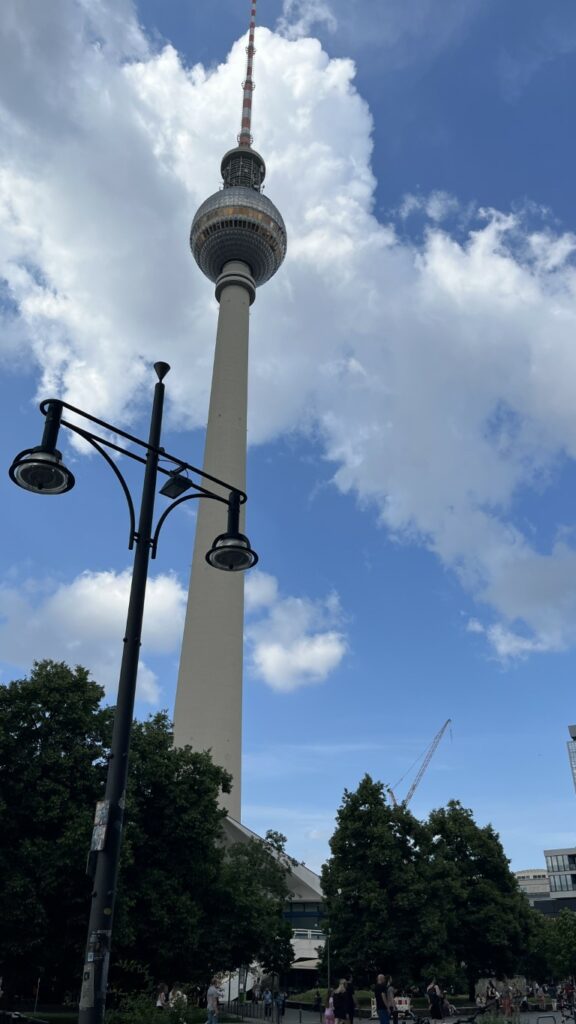
Berlin
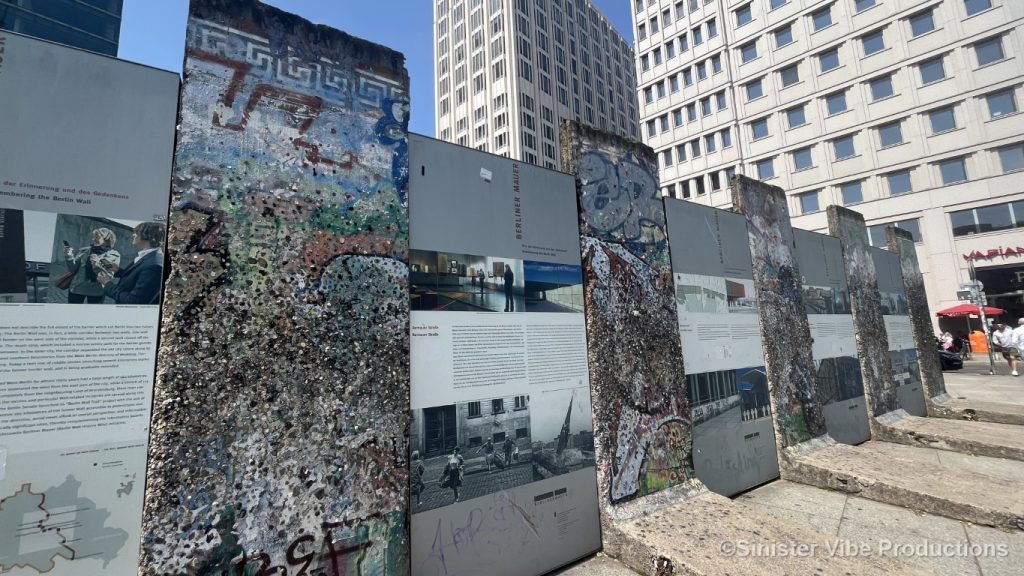
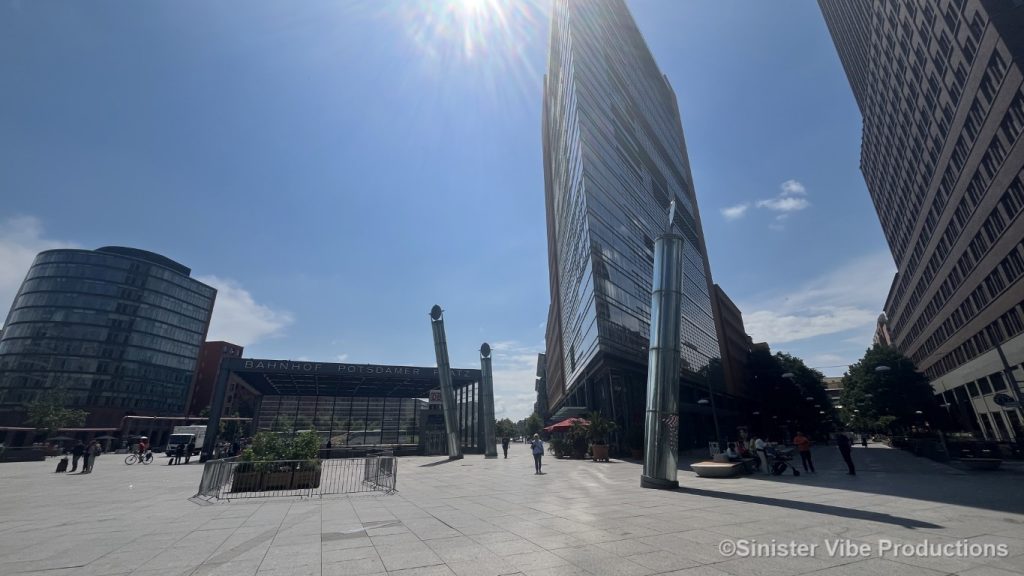
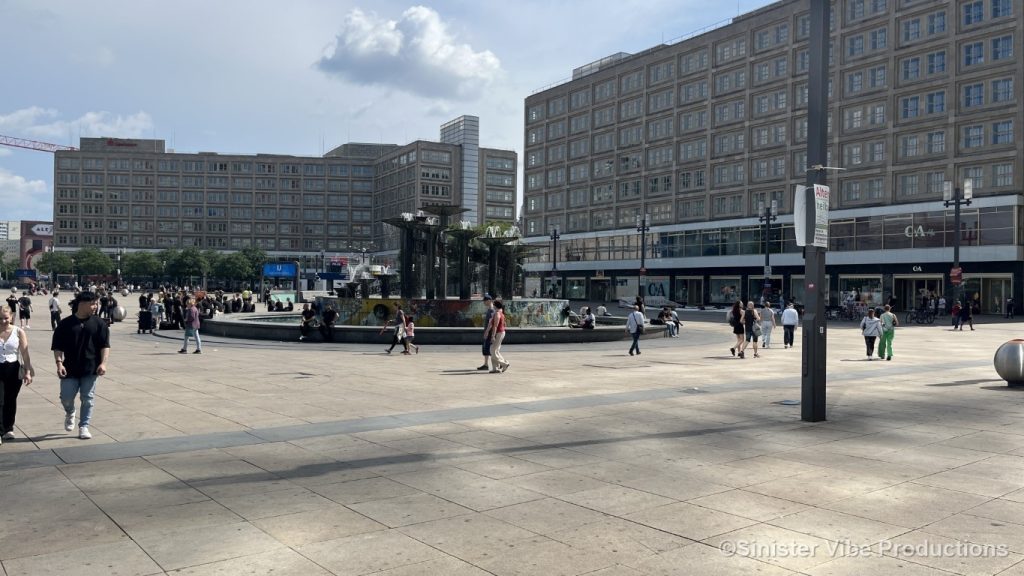
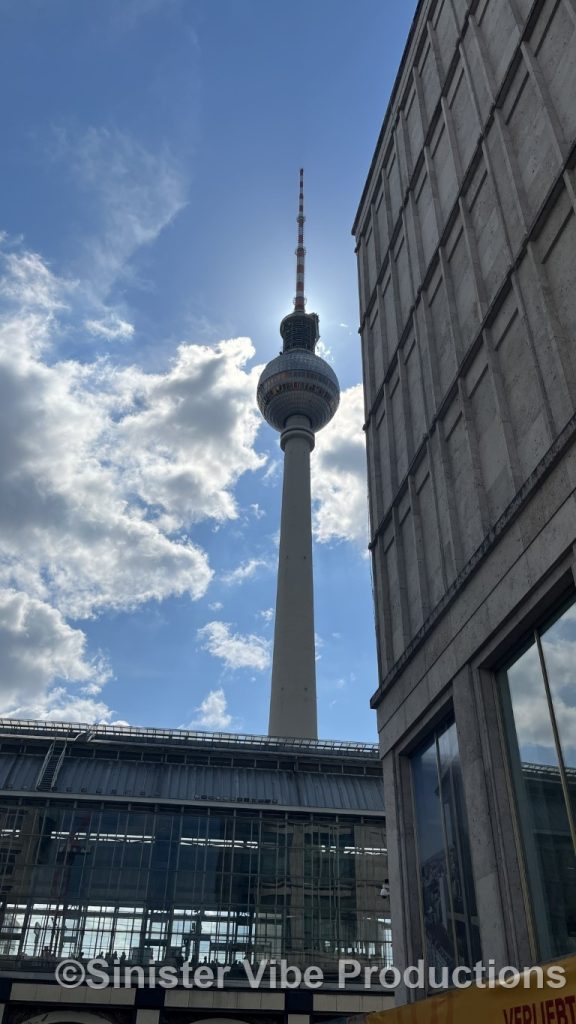
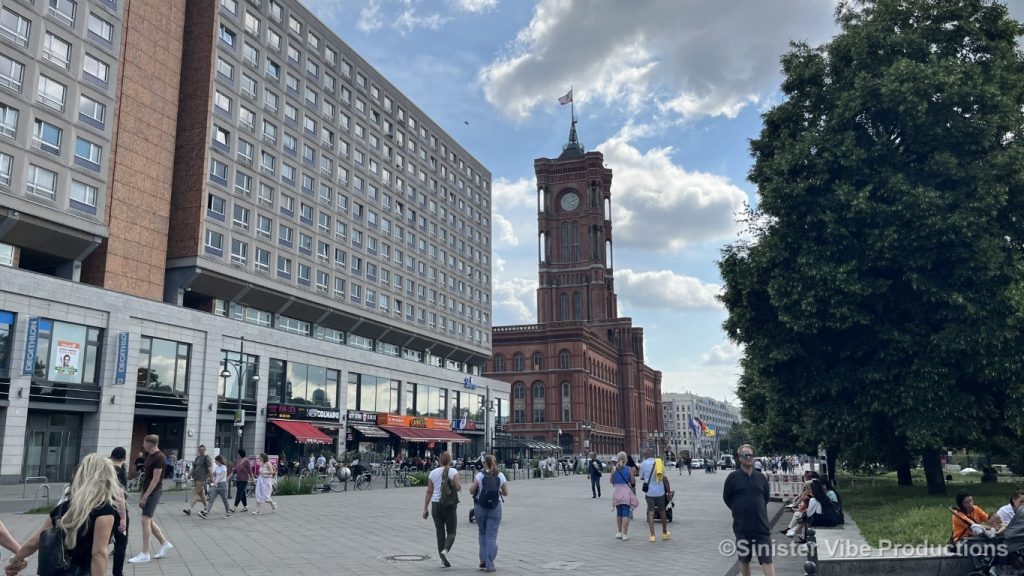
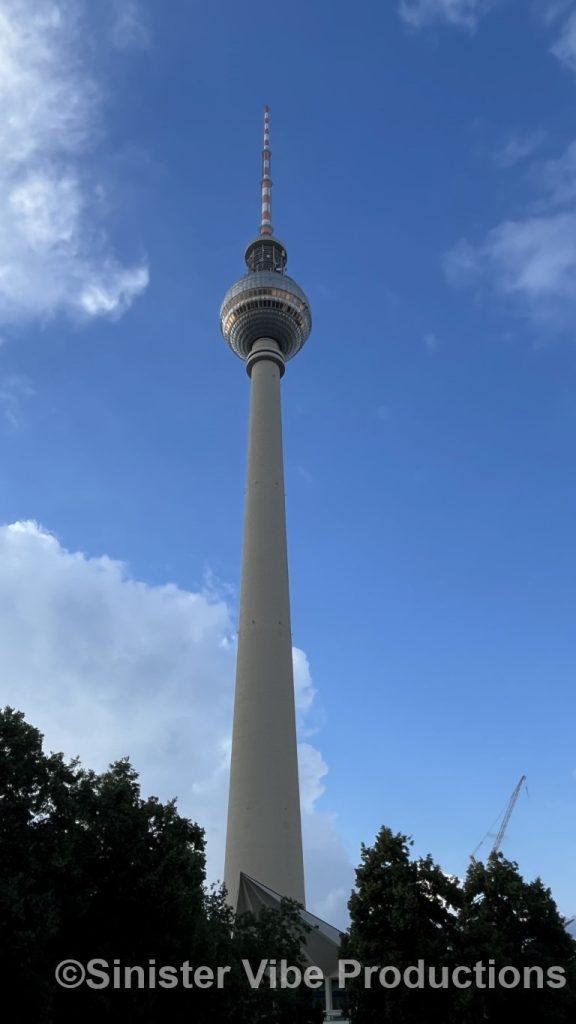
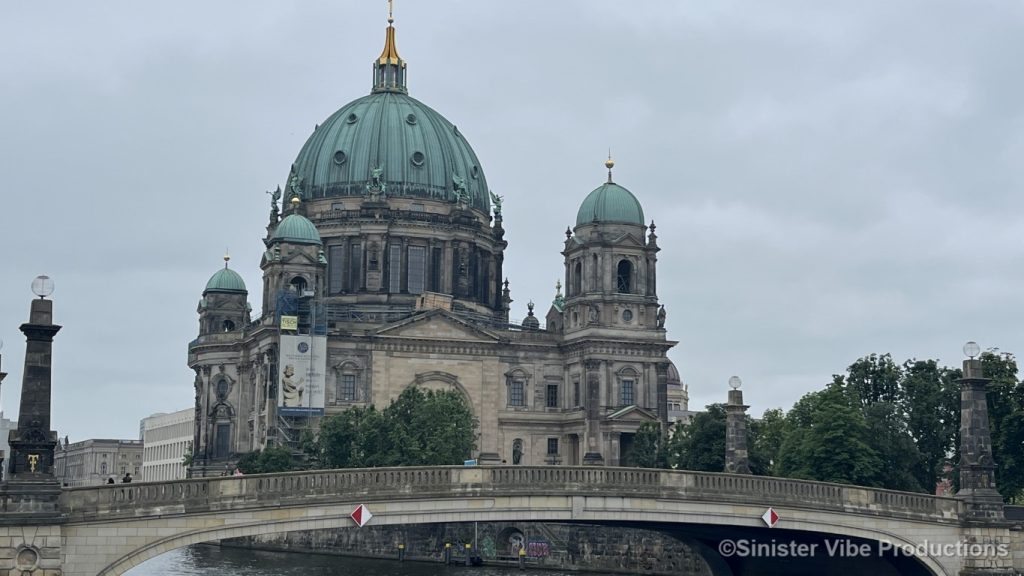
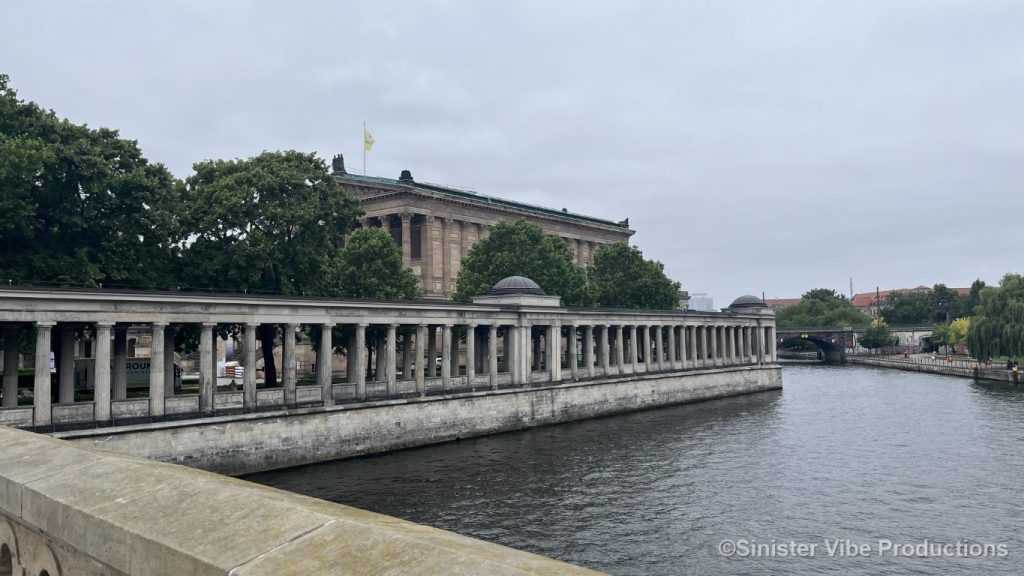
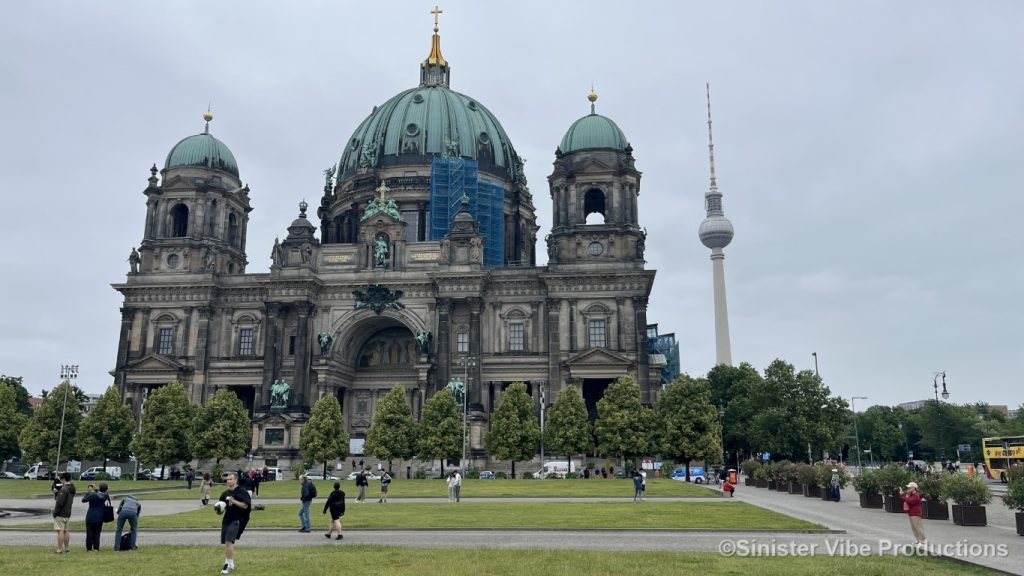
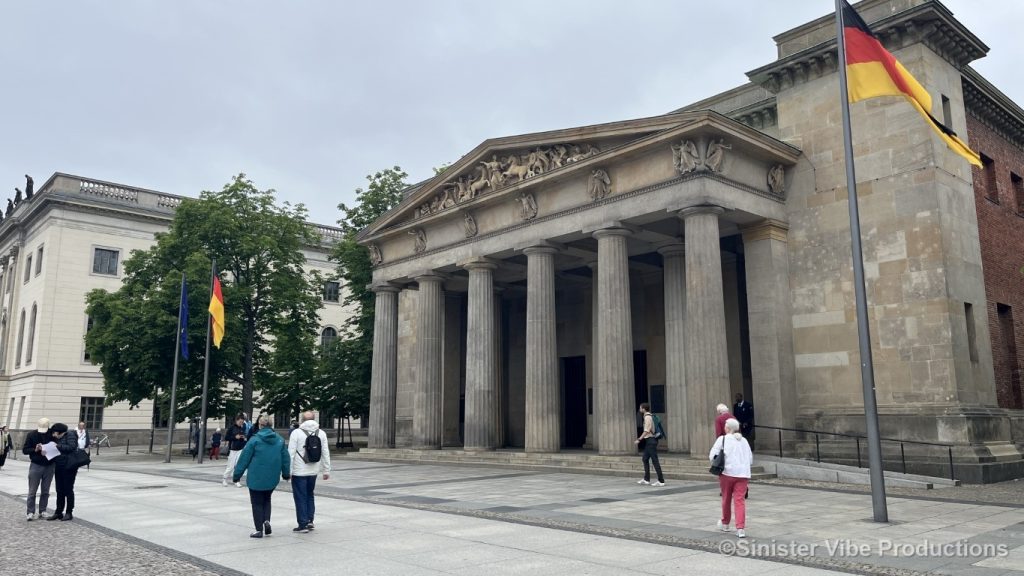
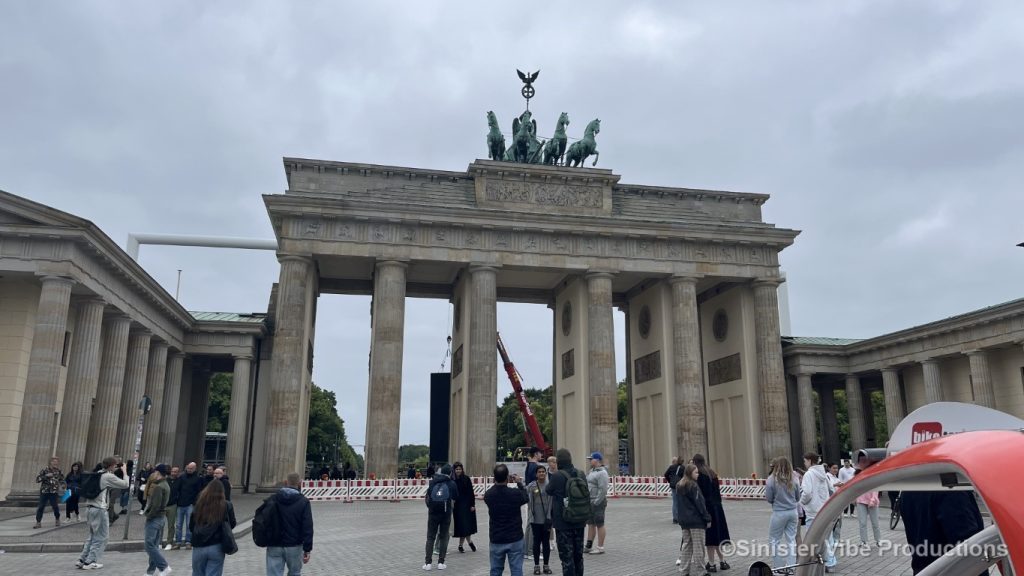
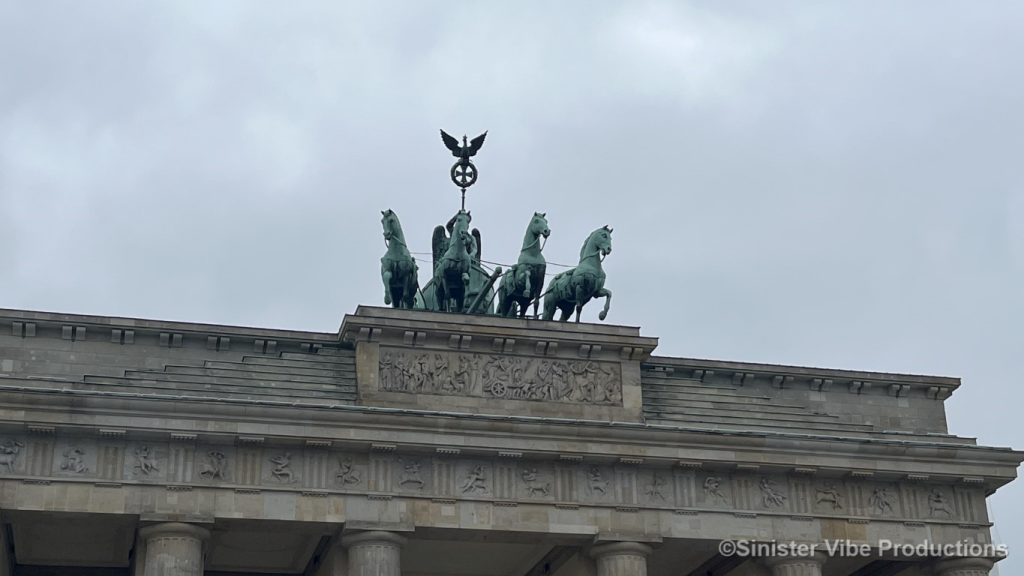
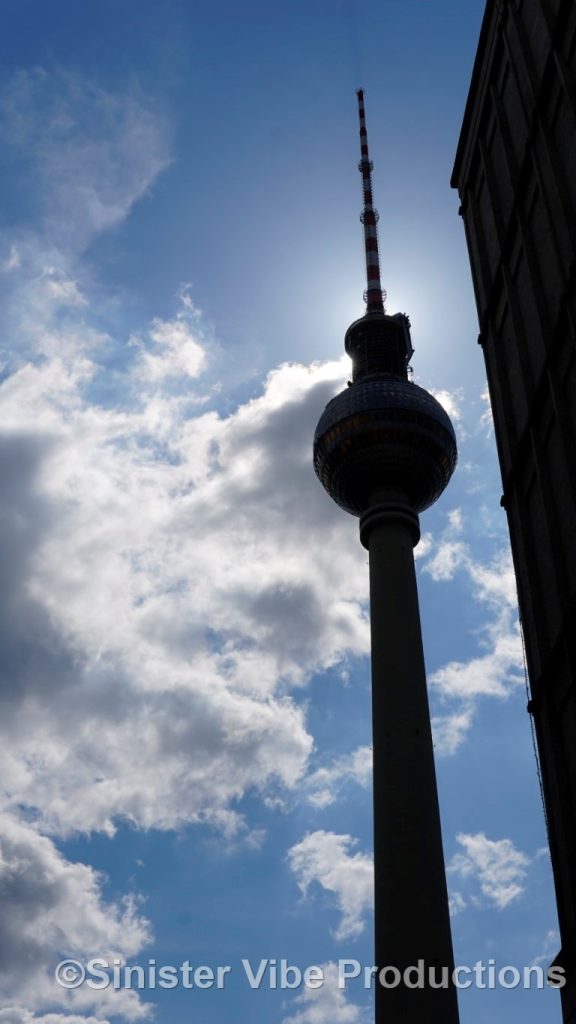
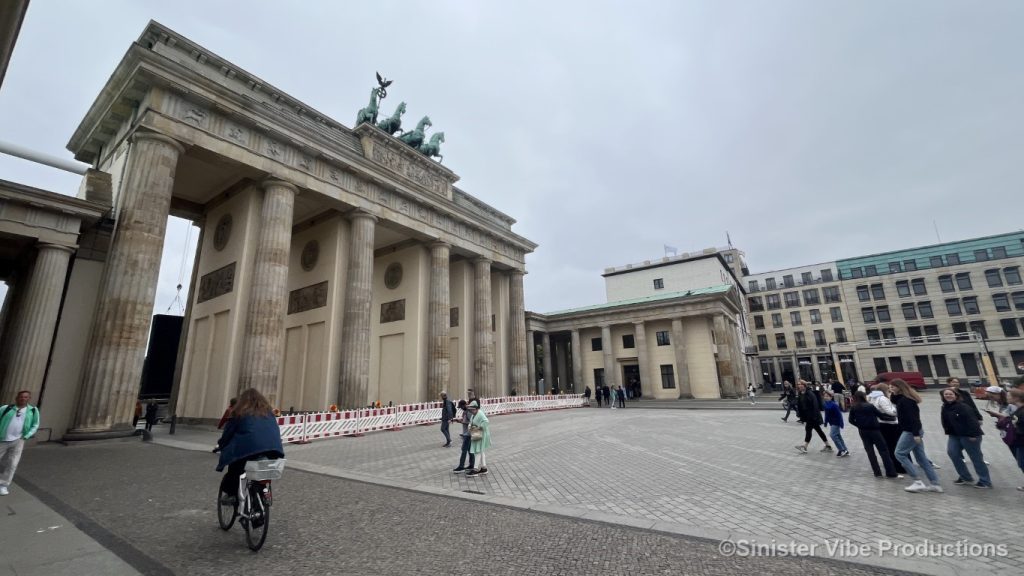
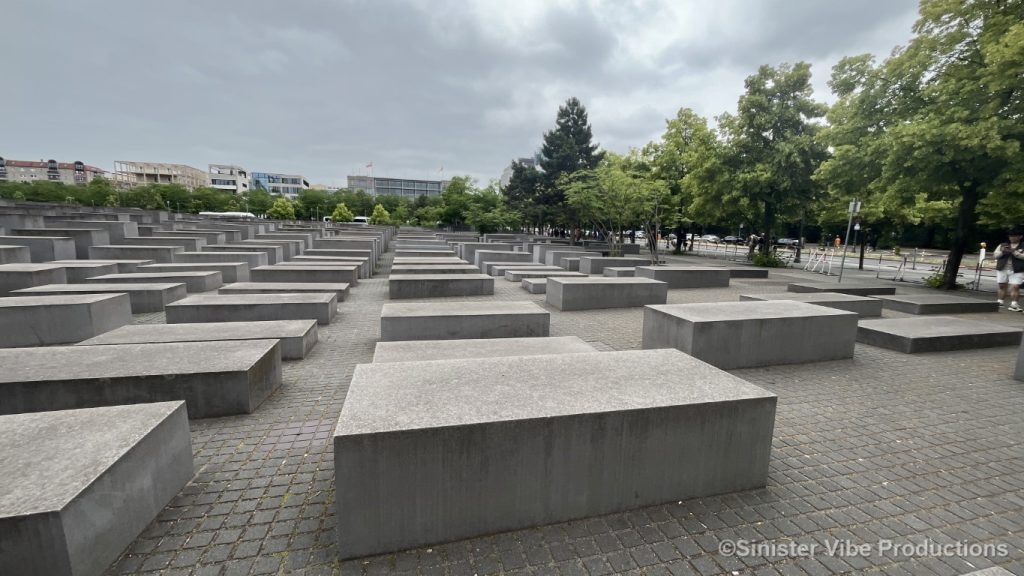
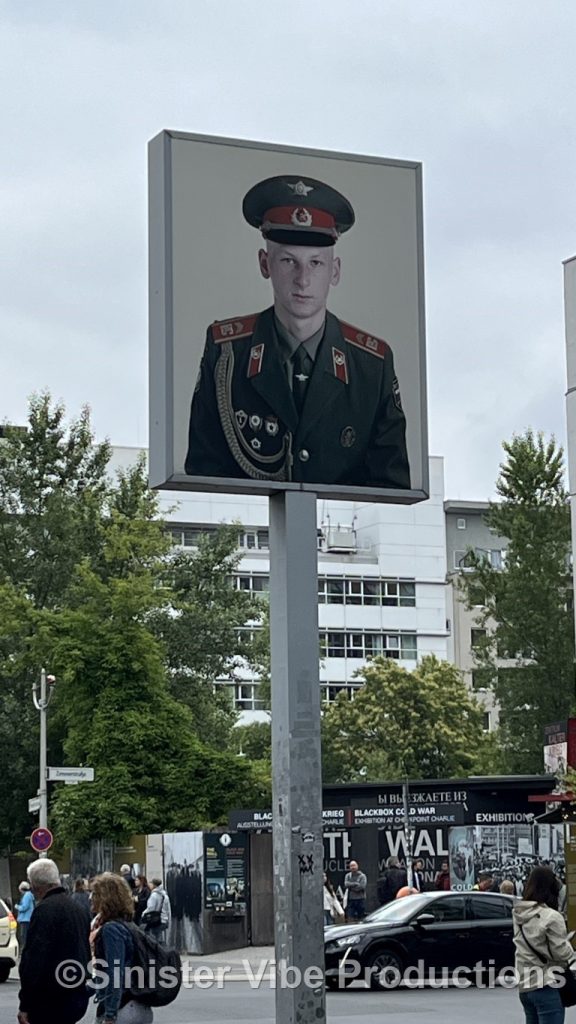
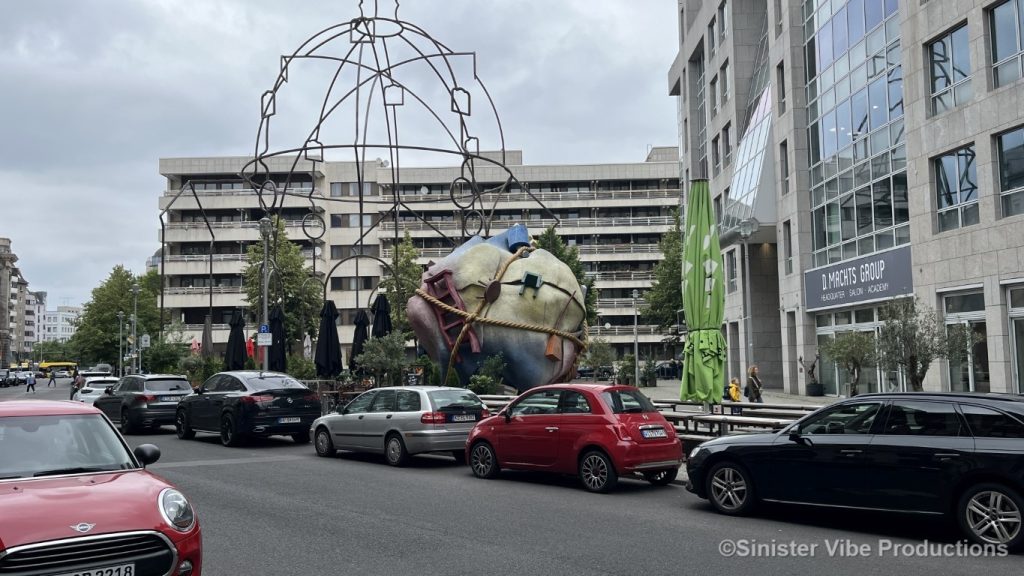
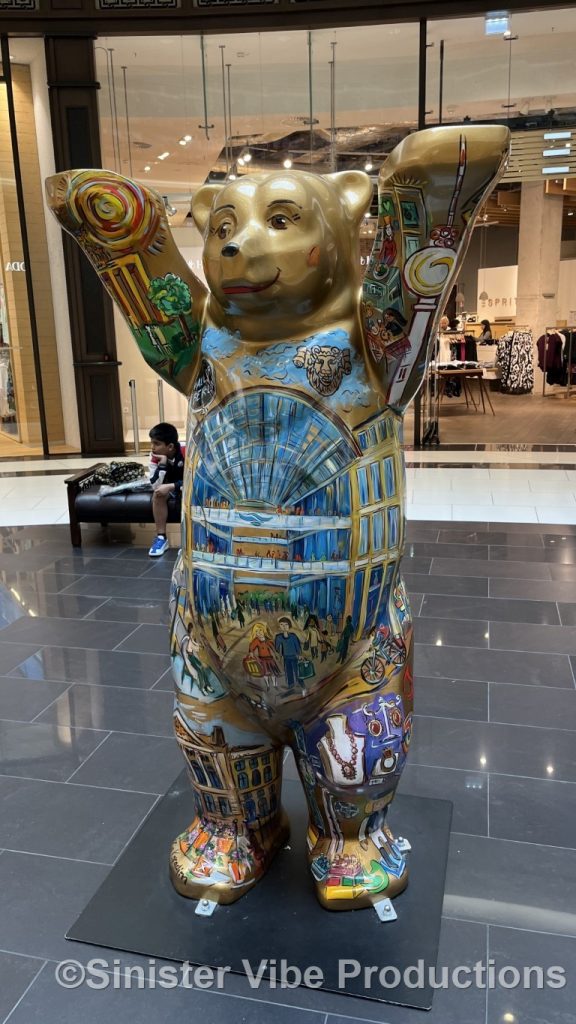
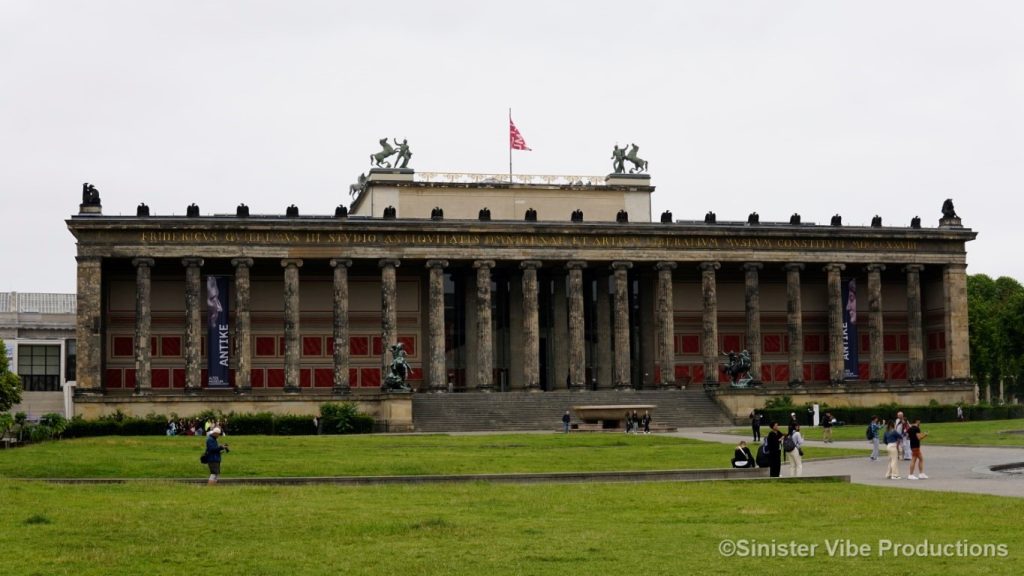
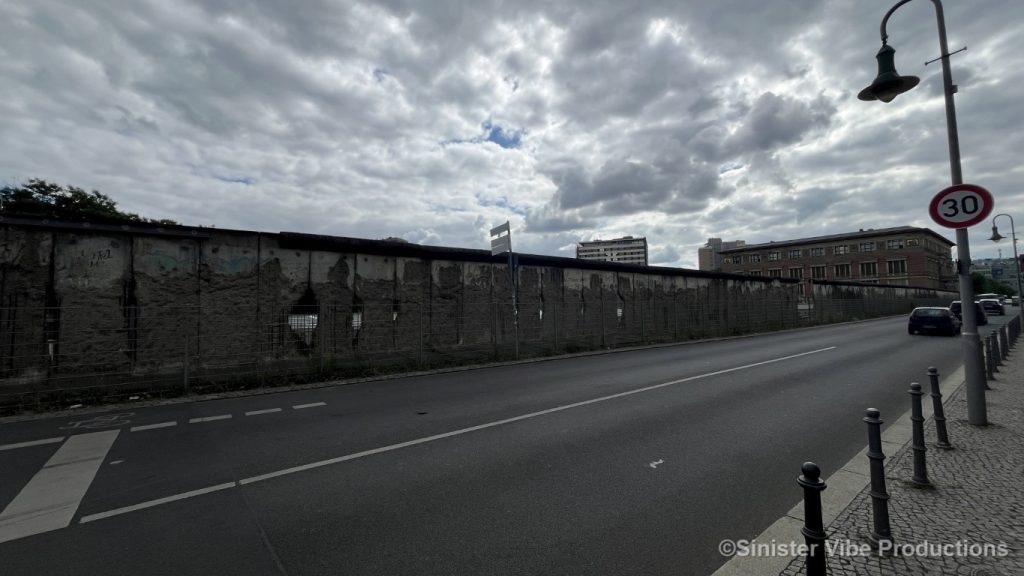
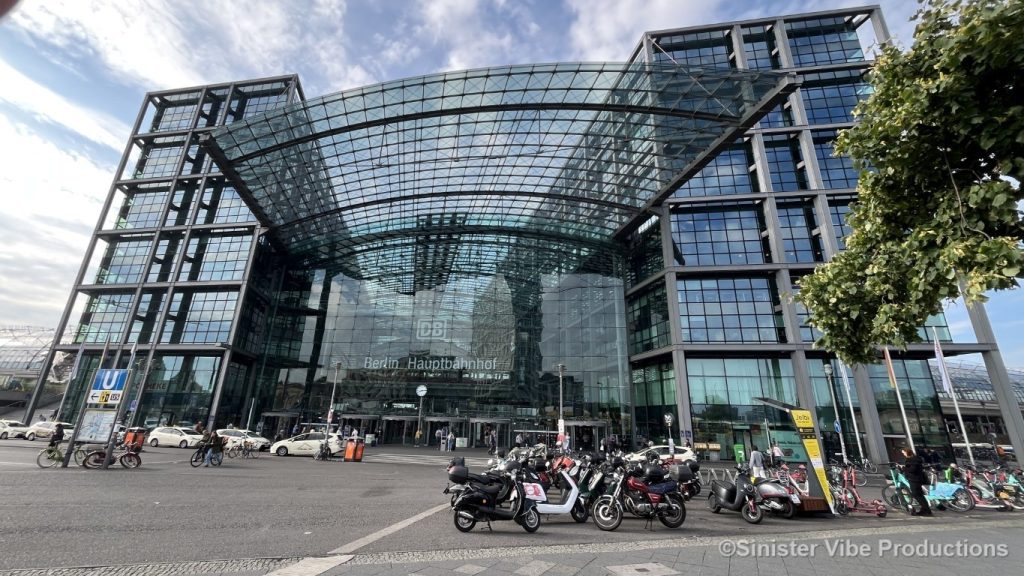
We were so impressed by Berlin. A highlight of the visit was a half-day walking tour around the city, and this city is MASSIVE — huge buildings, enormous streets and wide-open spaces everywhere. I was expecting Berliners to be cold and indifferent, but they were exactly the opposite. They were warm, friendly and incredibly helpful.
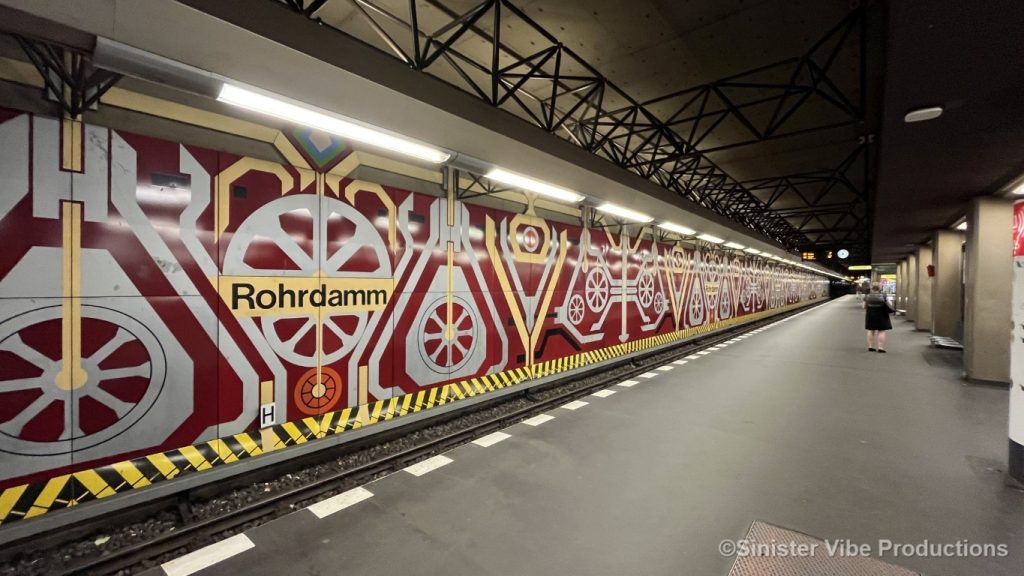
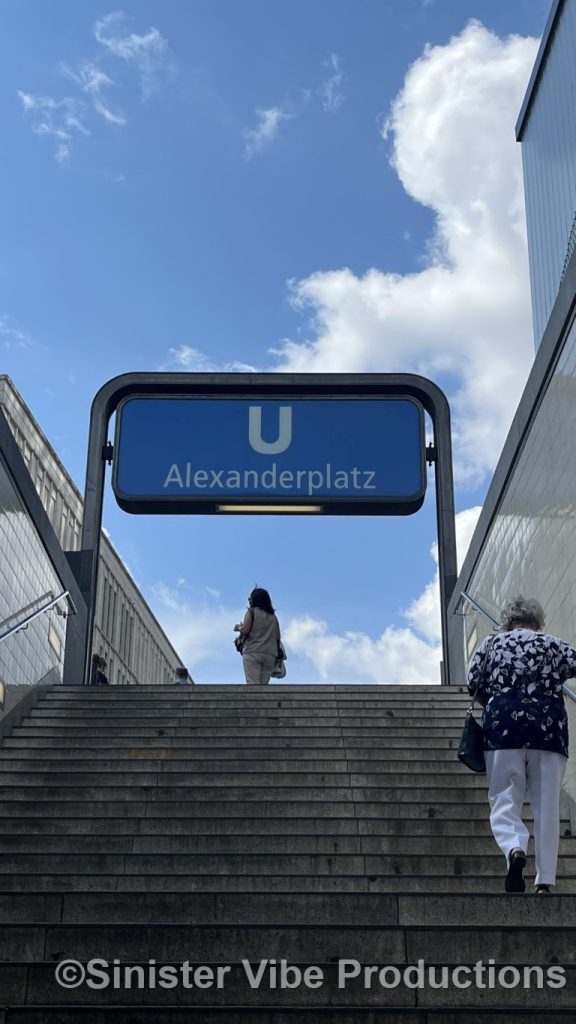
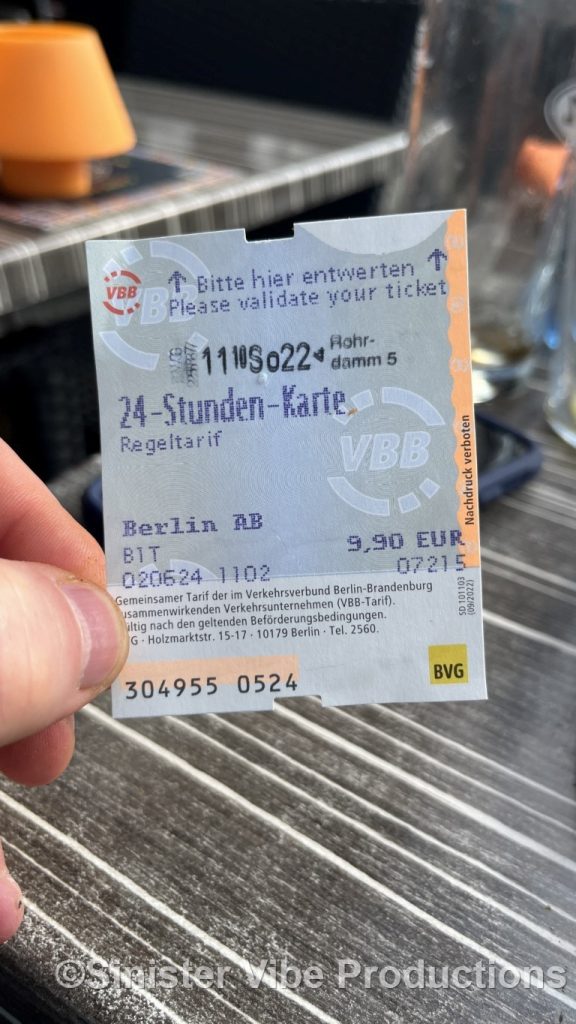
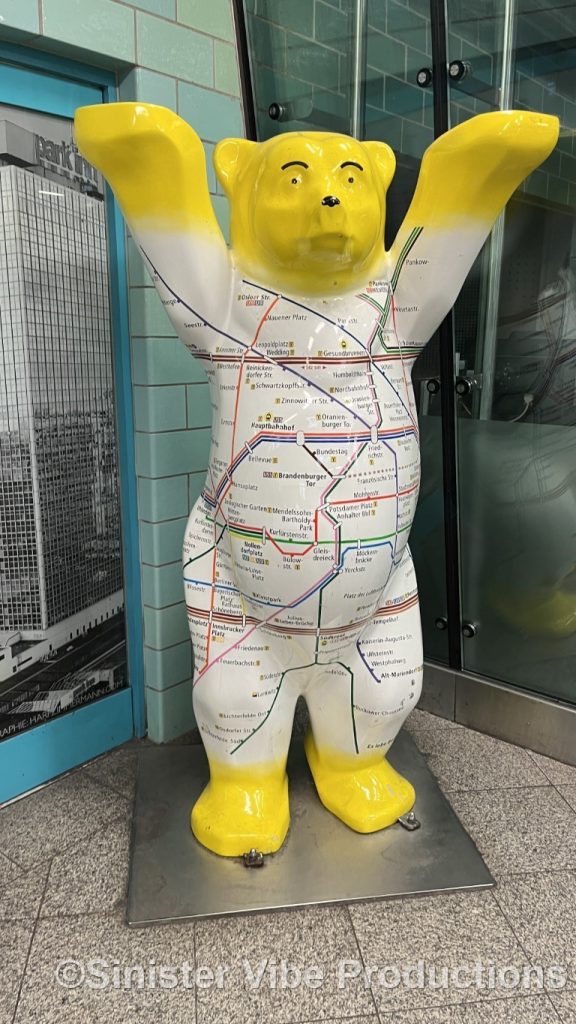
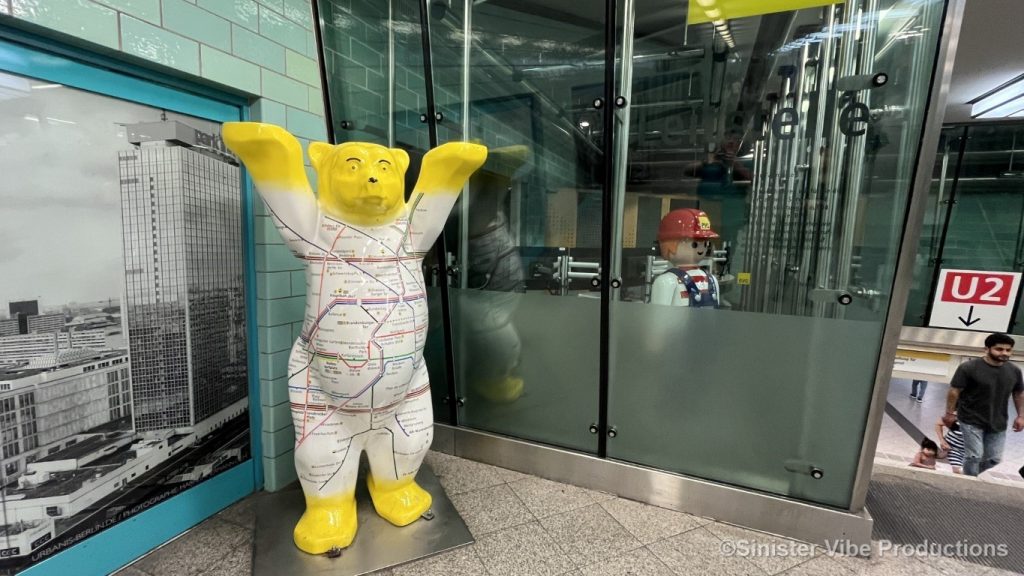
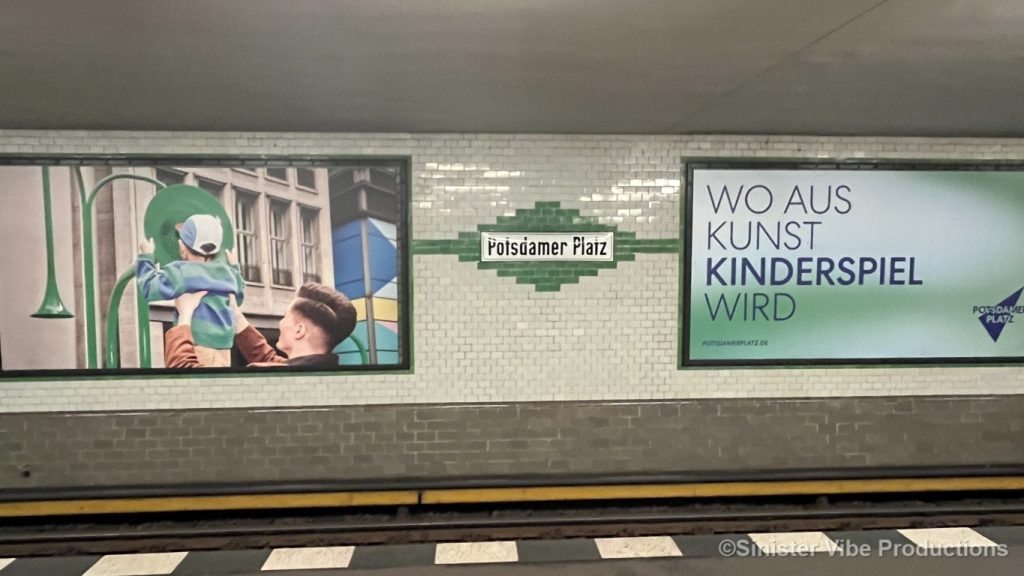
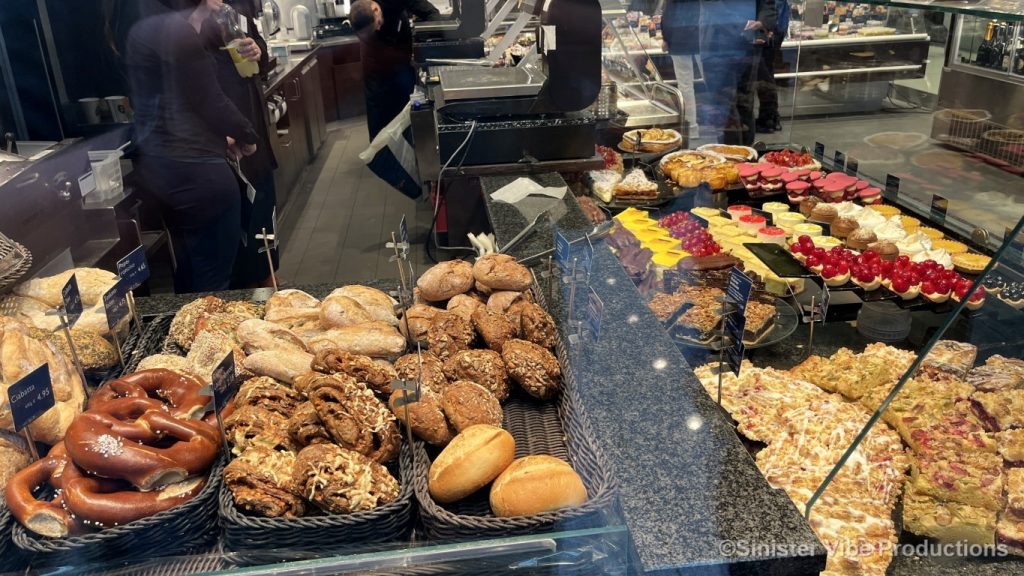
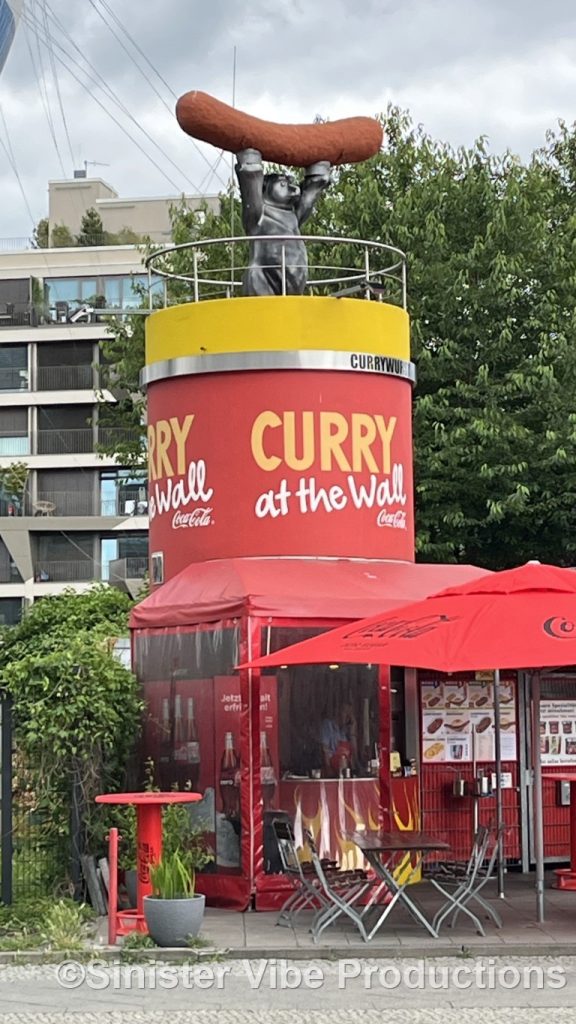
Every time we looked like we were struggling to navigate the U-Bahn or S-Bahn, somebody would come over and sort us out. Every time! It’s one of the reasons I always stop and help tourists in Toronto when they ask for directions or just look completely confused. Pay it forward! Oh, and the street döner kebabs in Berlin were amazing.
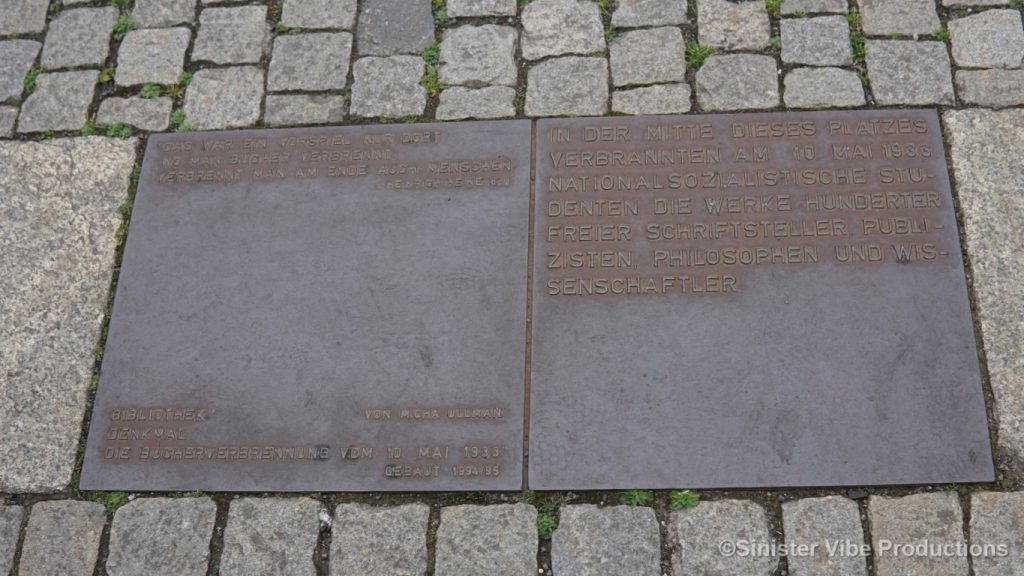
I already knew a fair amount about World War II, Hitler and Nazi Germany, but our walking tour expanded my knowledge enormously. At one point we stood above the location of Hitler’s Führerbunker, now buried beneath an otherwise unremarkable part of modern Berlin. I like to think that very little would have pissed Hitler off more than seeing the multicultural city that eventually grew around the place where he died.
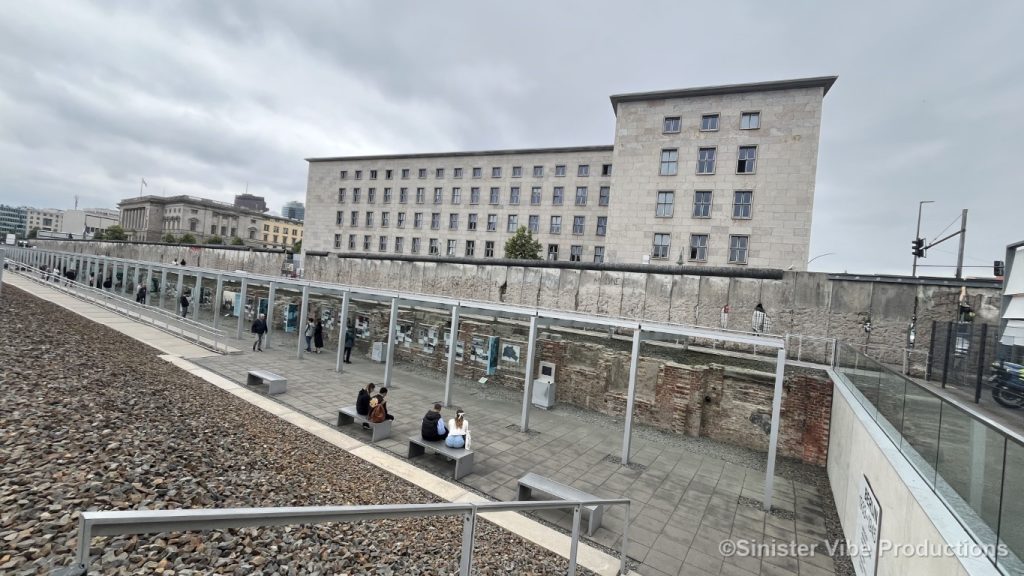
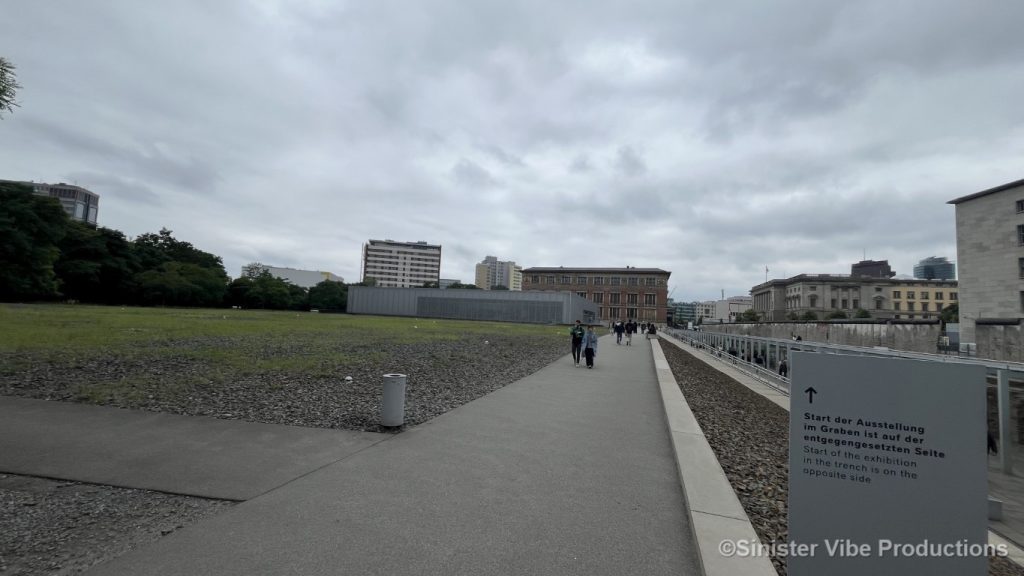
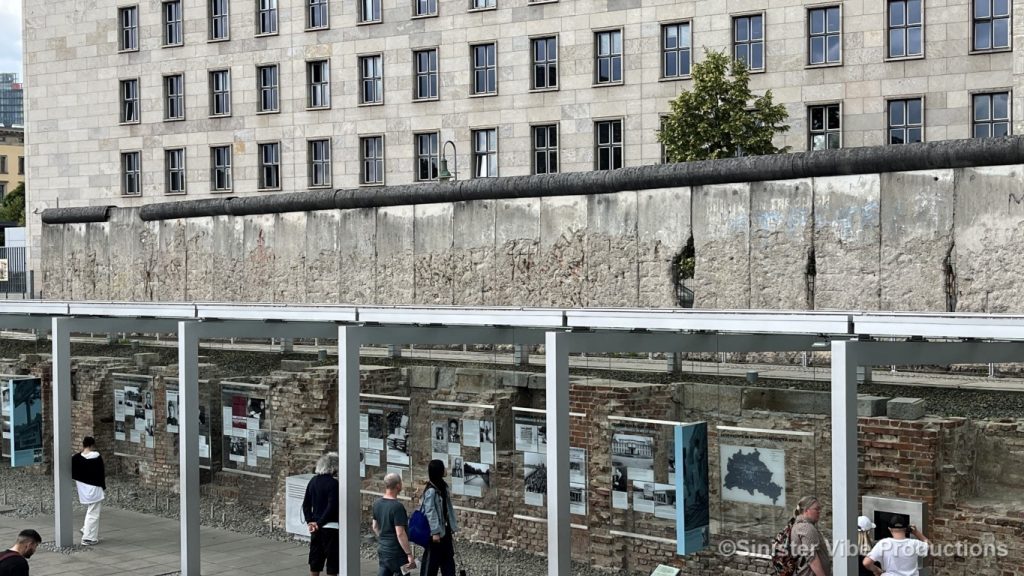
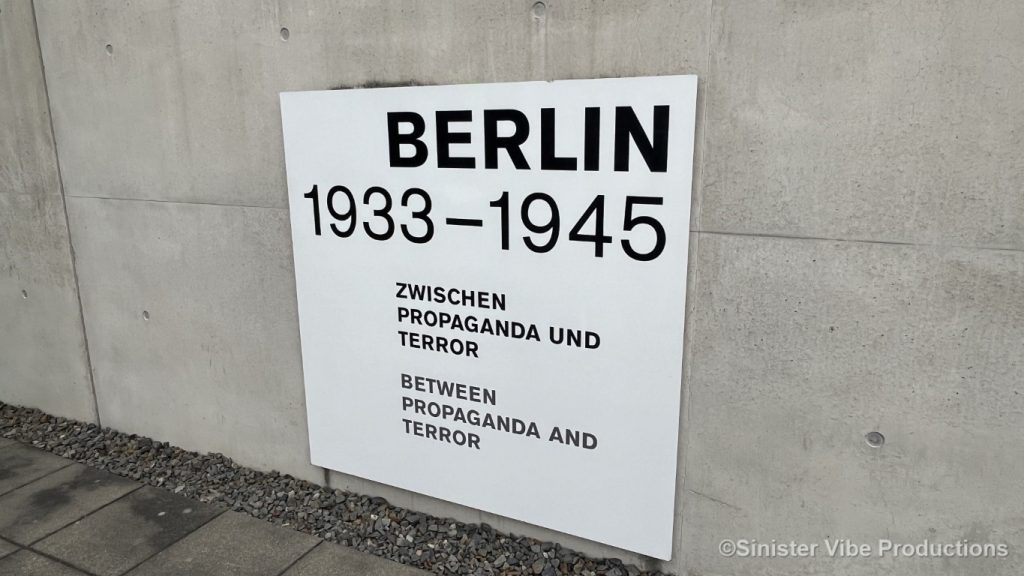
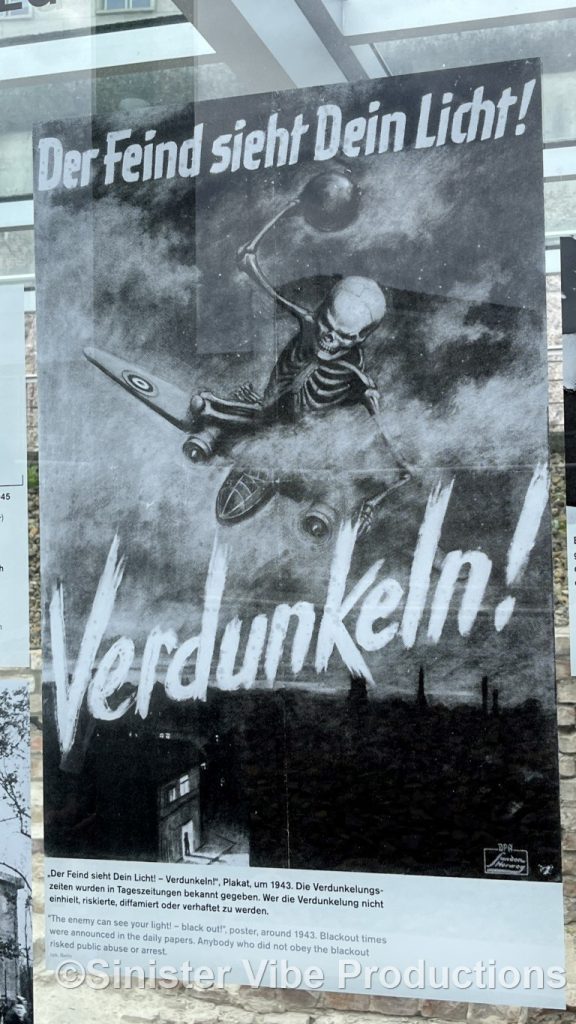
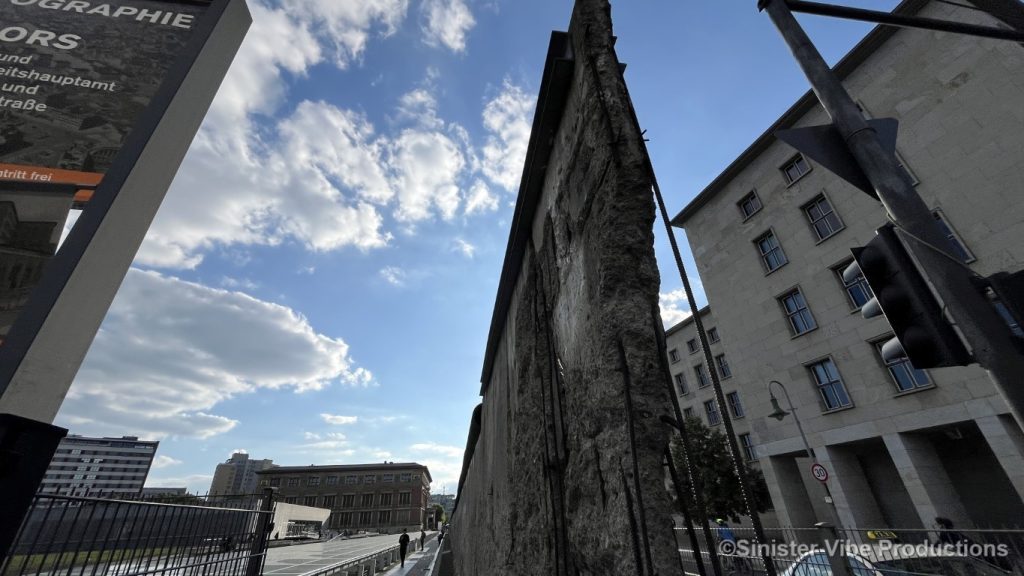
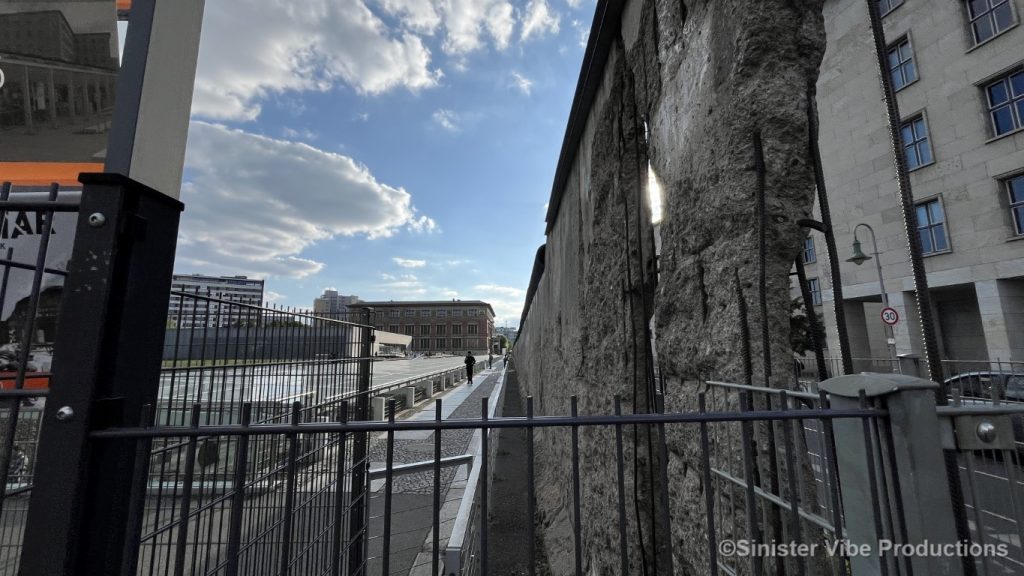
We also visited the site of the former SS and Gestapo headquarters, now home to the Topography of Terror documentation centre. Really sad, sick stuff. Got me weepy. What was particularly disturbing was being reminded how easily propaganda, fear, scapegoating and attacks on democratic institutions can become normalized. We humans are such fools. History gives us plenty of warnings, yet we keep finding ways to repeat its worst mistakes.
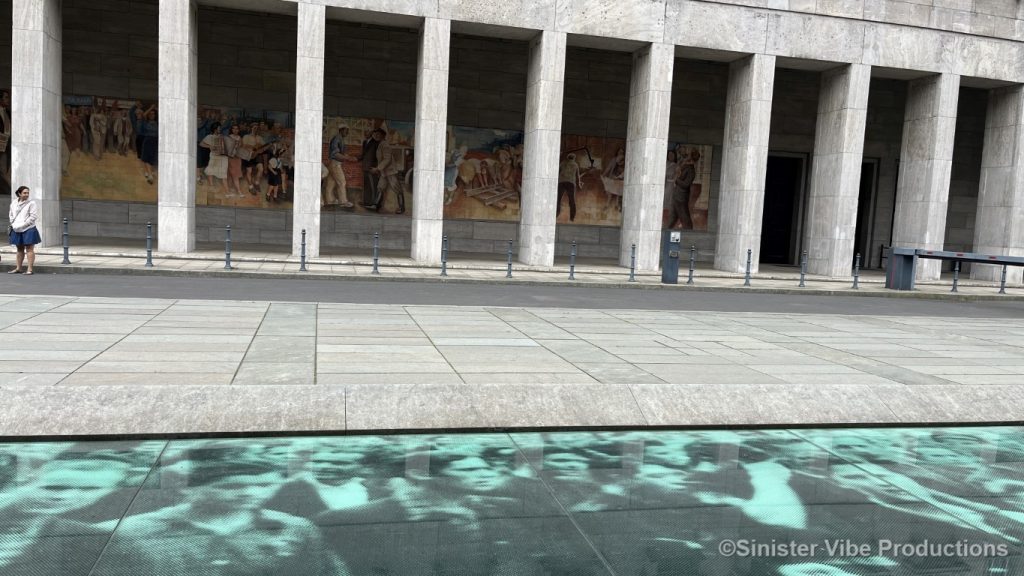
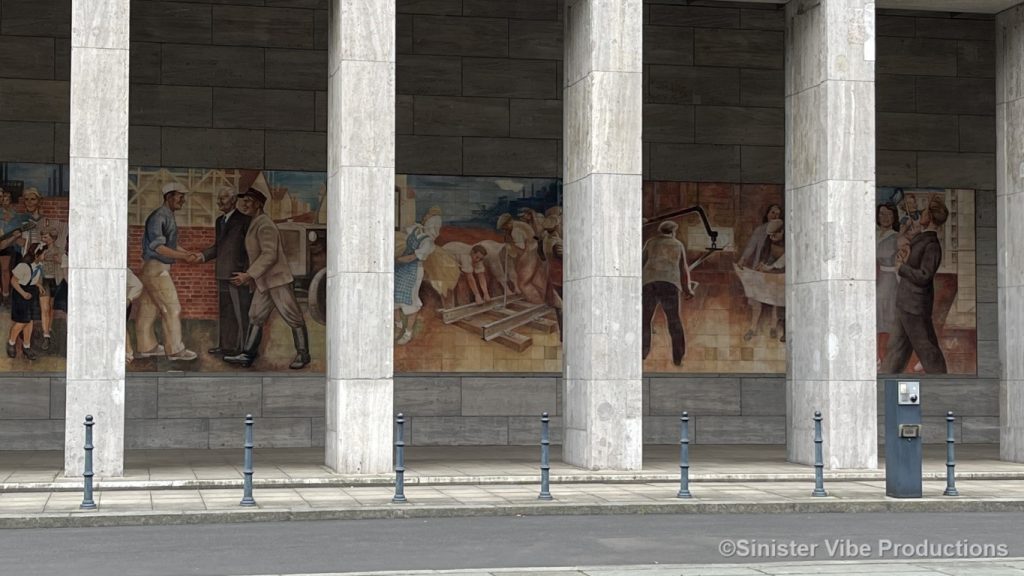
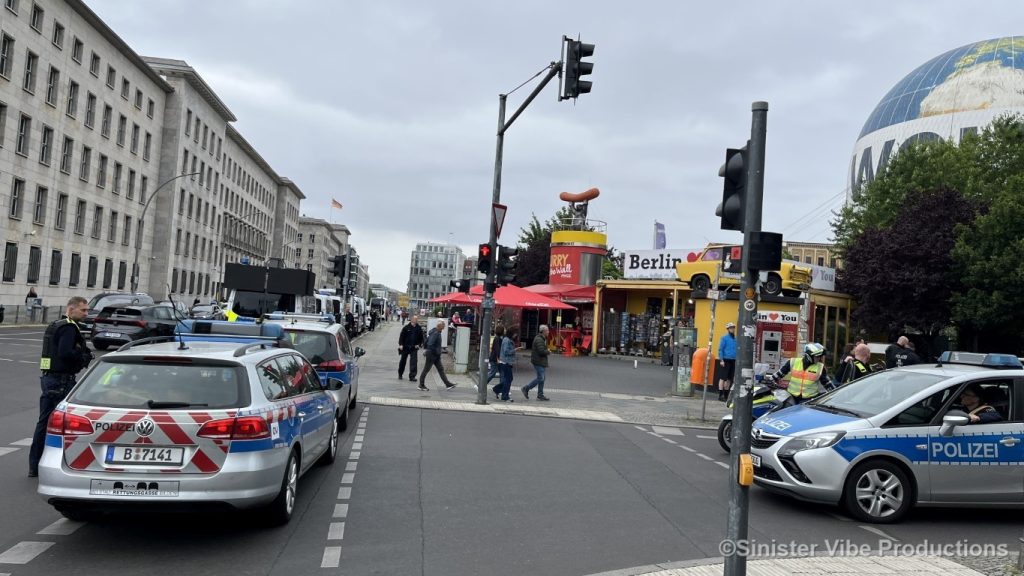
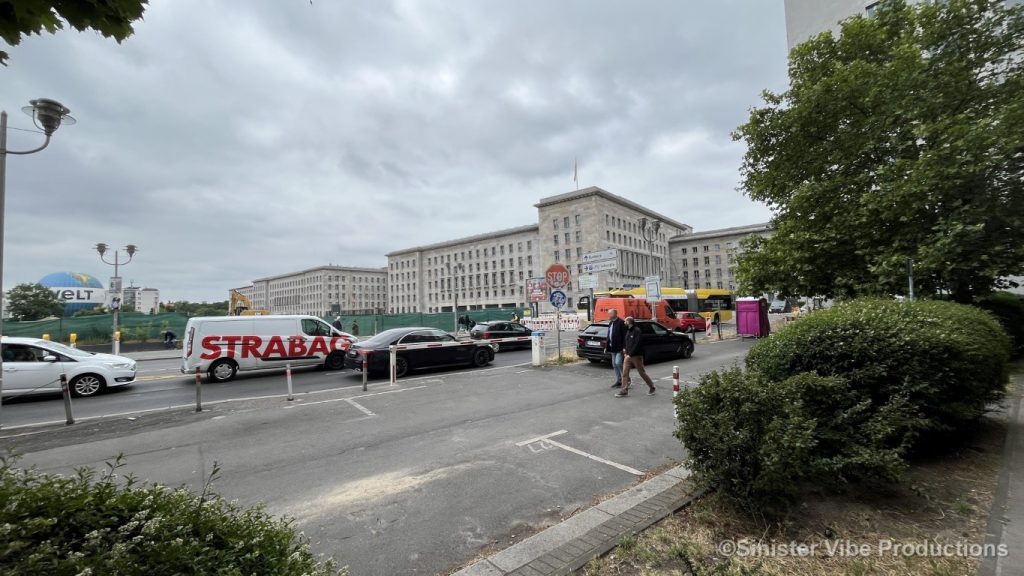
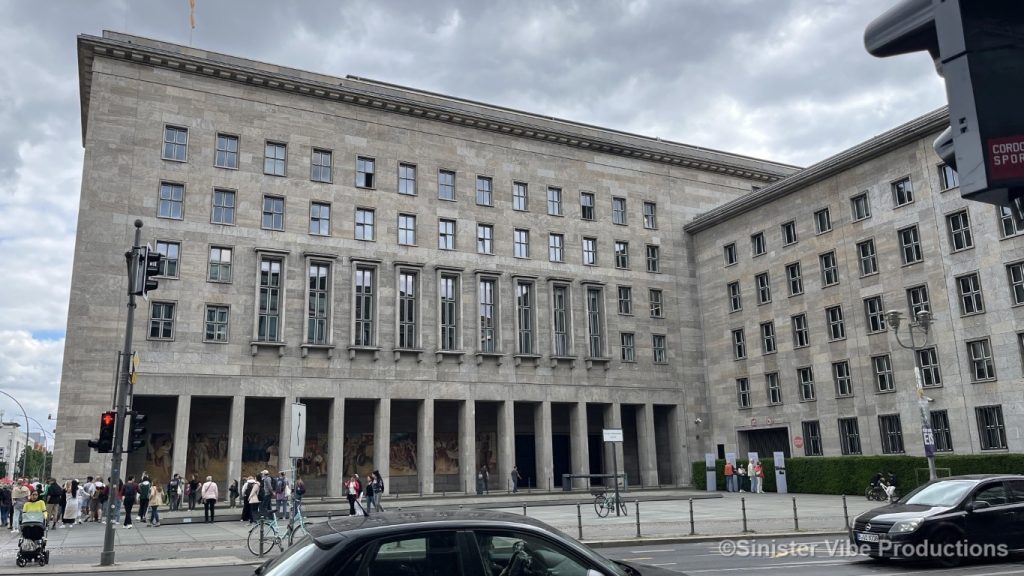
Much of central Berlin was devastated during World War II, which made the enormous former Luftwaffe headquarters even more striking. The building survived the war remarkably intact and it’s fucking massive. It seemed to go on forever — it took us about 20 minutes just to walk around it. The irony, man. The irony.
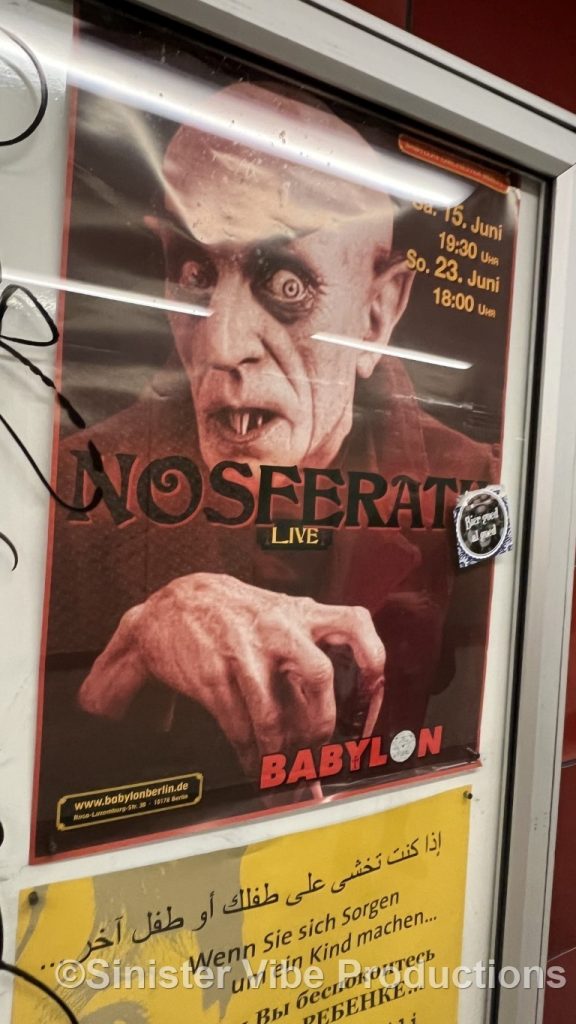
Another highlight for me was the Deutsche Kinemathek — Museum für Film und Fernsehen. German cinema has an incredibly important place in film history, and some of my favourite horror and science-fiction films came out of German Expressionism and the era surrounding it: Nosferatu, The Cabinet of Dr. Caligari, M and, of course, Metropolis. This place was definitely on my list.
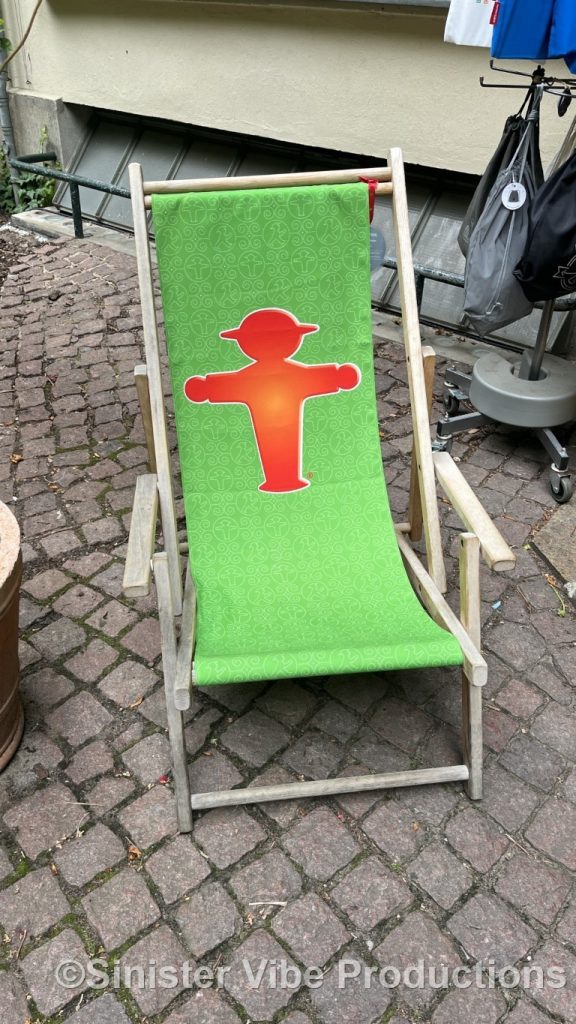
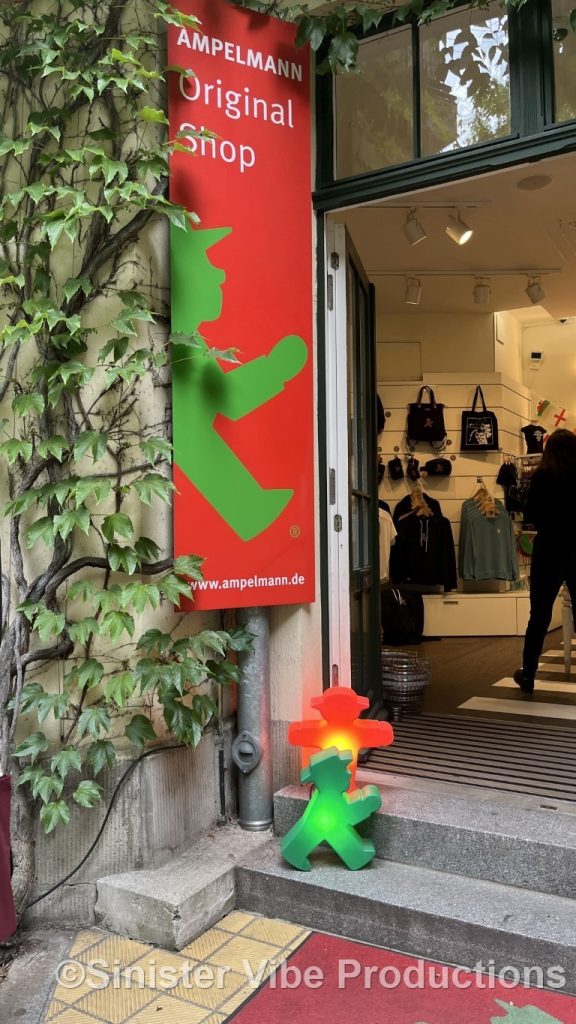
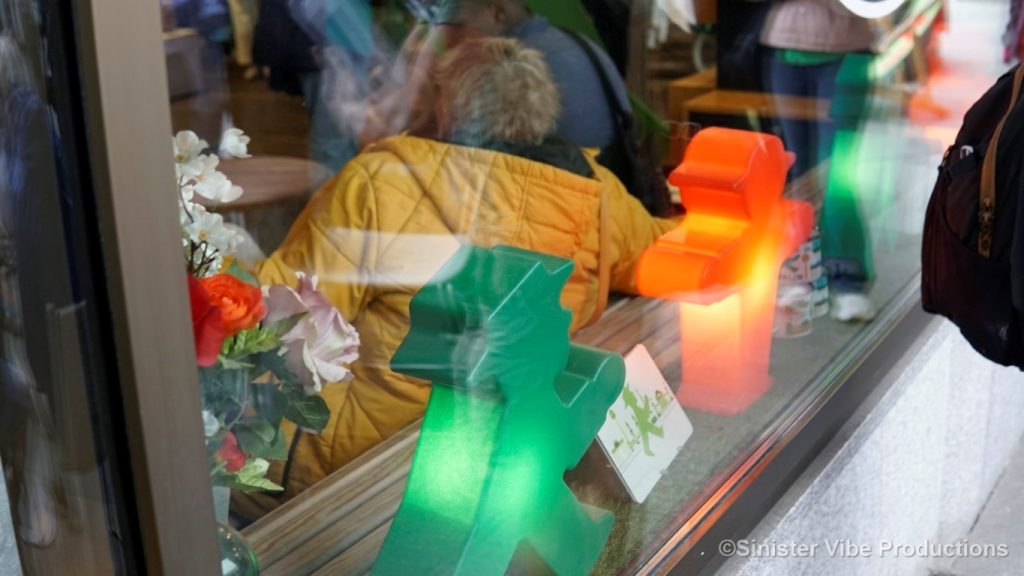
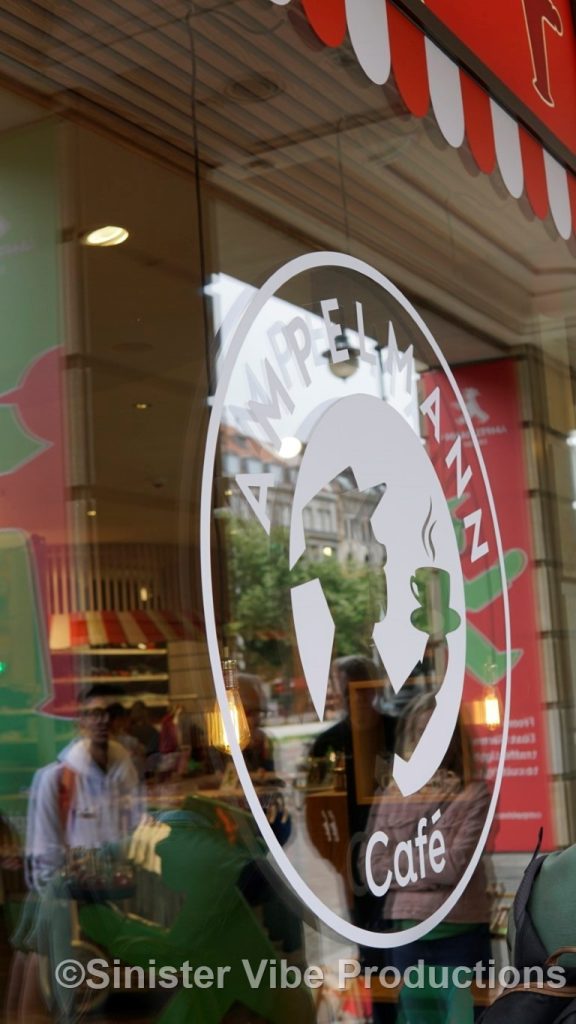
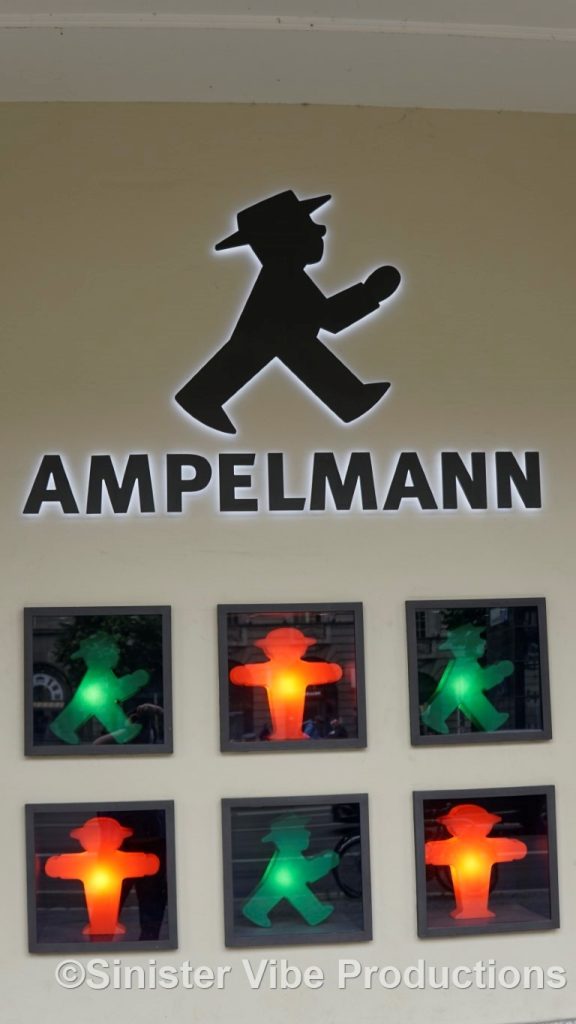
Even Berlin’s pedestrian crossing signals have personality. The little hat-wearing Ampelmännchen figures originated in East Germany and survived reunification to become one of the city’s most recognizable symbols. I found the pedestrian-safety chant “Red man, dead man” both catchy and remarkably effective.