

31 days of Horror Films – October 2026
This year’s 31 days of horror films watch will be a further and deeper exploration into the more obscure, the underrated and the overlooked. If you’re brave enough, follow my film journey. Check back here daily over the next month for updated films. Also have a look at the previous 31 days of horror films
01 Bram Stoker’s Dracula (1992) IMDb
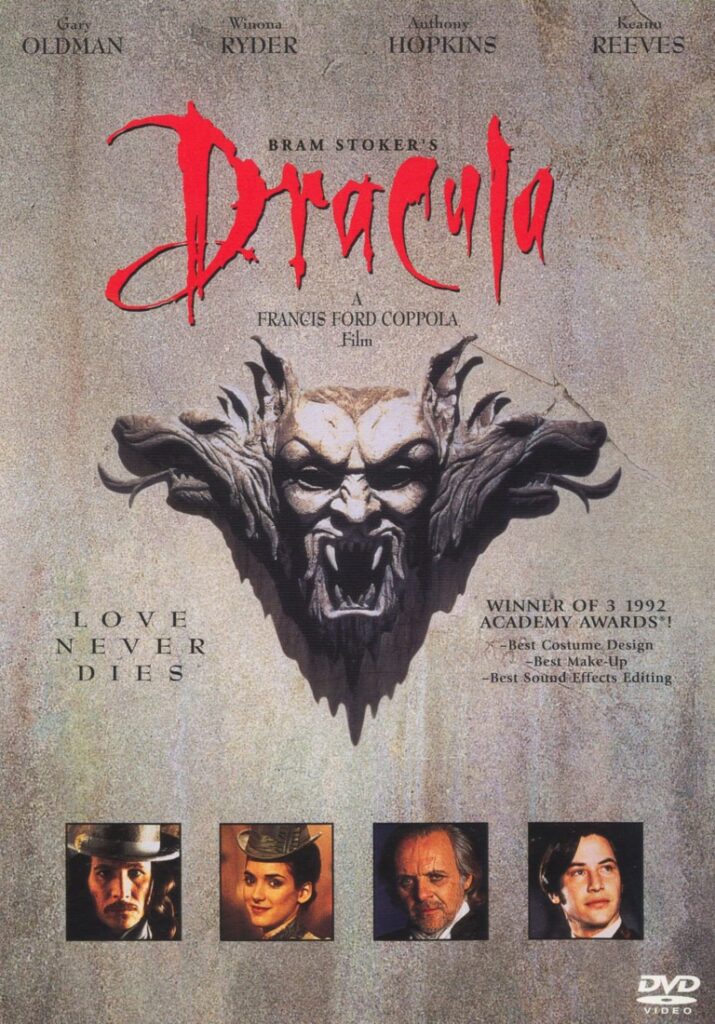
Bram Stoker’s Dracula is Francis Ford Coppola at his most extravagant: a fever dream of Gothic romance, elaborate costumes and old-fashioned camera tricks. Gary Oldman’s Count is both a monster and a tragic lover, pursuing Mina across centuries while leaving a trail of blood and ruined lives. The film is unapologetically theatrical, and that is much of its appeal.
What keeps me coming back is the imagery. Shadows seem to have minds of their own, the castle feels impossibly ancient, and nearly every frame looks like something from a lavish nightmare. There is plenty of sensuality, but Coppola never lets us forget the horror beneath Dracula’s longing. Even when the accents and melodrama threaten to overwhelm the story, the film’s commitment to its strange, operatic vision wins me over.
It is a wonderfully excessive way to begin October: beautiful, grotesque and steeped in the kind of supernatural atmosphere that modern horror too often trades for a quick jump scare.
02 Hellraiser (1987) IMDb
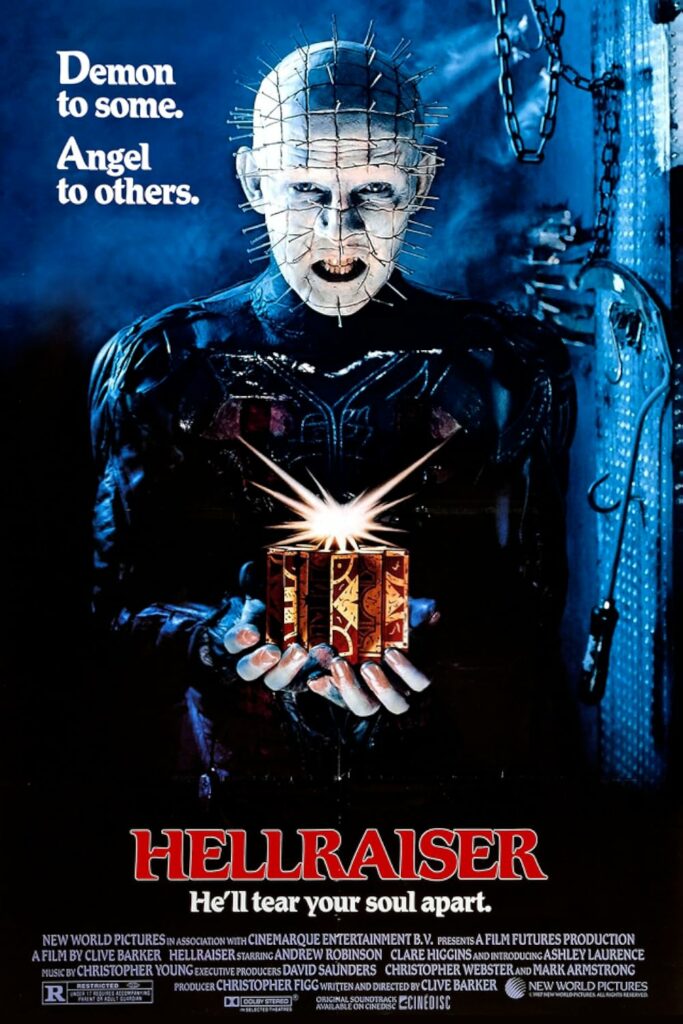
Clive Barker’s Hellraiser still feels like a film that arrived from somewhere it shouldn’t have. Frank Cotton’s search for pleasures beyond ordinary human experience opens a doorway to the Cenobites, but the real nightmare begins inside a family home, where desire, betrayal and violence turn domestic life into something monstrous.
Pinhead may be the face everyone remembers, yet the film works because the human characters are every bit as disturbing as the creatures. Julia’s increasingly terrible choices give the story a cold, intimate cruelty, while the practical makeup effects make Frank’s return to flesh genuinely revolting. Barker’s direction favours shadow, texture and suggestion, allowing the grotesque imagery to linger rather than rushing past it.
Hellraiser is not a conventional slasher. It is a dark fairy tale about obsession and the price of getting exactly what you think you want. The puzzle box remains one of horror cinema’s great invitations to make a very bad decision.
03 Hellbound: Hellraiser II (1988) IMDb
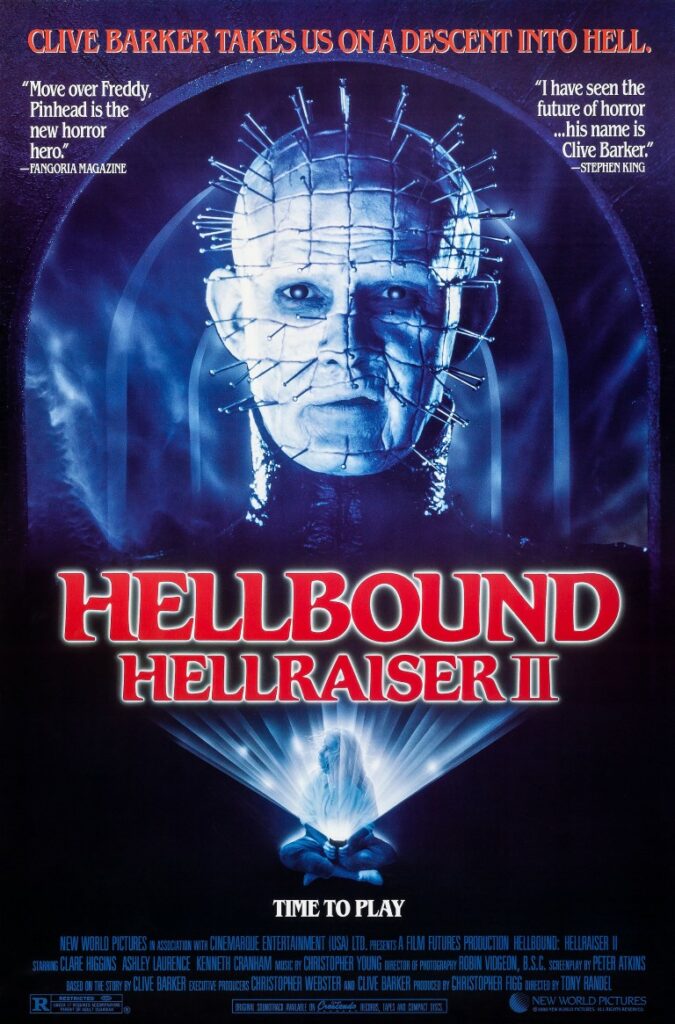
Hellbound picks up the nightmare almost where Hellraiser leaves it, taking Kirsty from one kind of prison into another. The sequel opens up Barker’s mythology, giving us more of the Cenobites, the Lament Configuration and the labyrinthine world that lies beyond the box. Where the first film is an intimate chamber piece, this one is a full descent into hell.
The production design is the main attraction for me. Endless corridors, impossible chambers and grotesque practical effects create a place that feels both monumental and sickeningly physical. The story is messier than its predecessor, and some of the mystery inevitably disappears once we are shown more of the other side. Still, the film has an imagination and a willingness to be unpleasant that I admire.
Hellbound is a worthy companion to the original, especially when watched back to back. It pushes the body horror further while reminding us that curiosity can be a dangerous thing when a certain little box is involved.
04 The Last Man on Earth (1964) IMDb
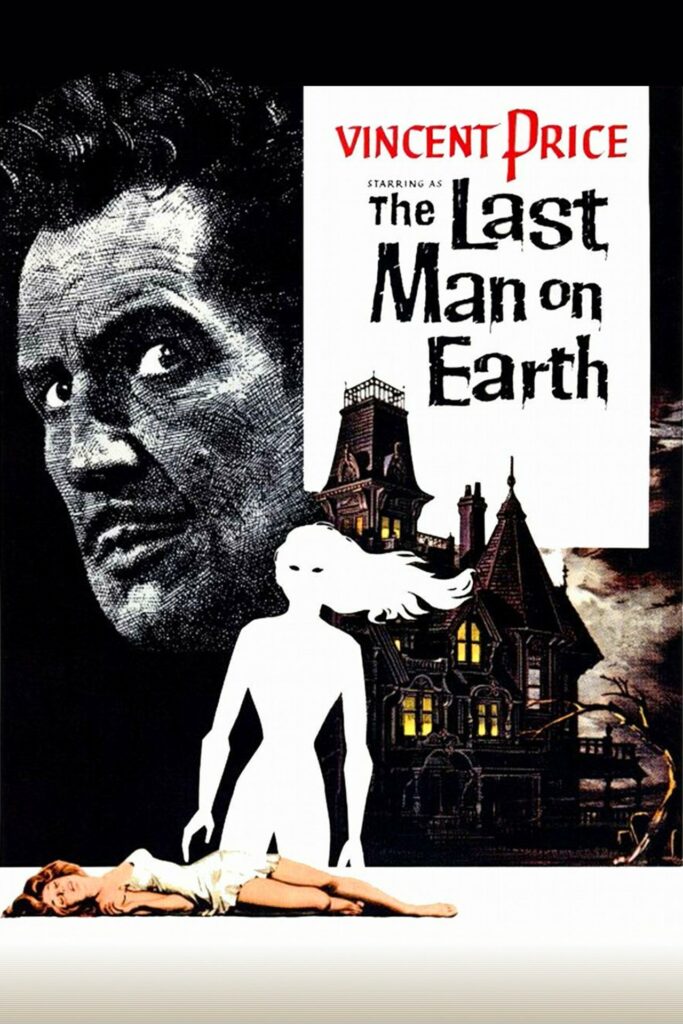
Long before the modern zombie boom, The Last Man on Earth gave us Vincent Price wandering through an emptied city, searching for supplies by day and barricading himself against infected visitors by night. Adapted from Richard Matheson’s I Am Legend, it turns the end of civilization into something surprisingly lonely and personal.
Price brings a weary sadness to Robert Morgan. The quiet routines of his survival are as memorable as the nightly attacks, and the stark black-and-white photography gives the deserted streets an eerie, documentary-like quality. Its limited budget occasionally shows, but that roughness suits a world that has already fallen apart.
What makes the film endure is the idea lurking beneath the familiar monster-movie premise: who gets to decide what is normal after the world changes? It is an important ancestor of later apocalyptic horror, but it also stands on its own as a melancholy and unsettling late-night watch.
05 Beware Boiuna (2026) IMDb
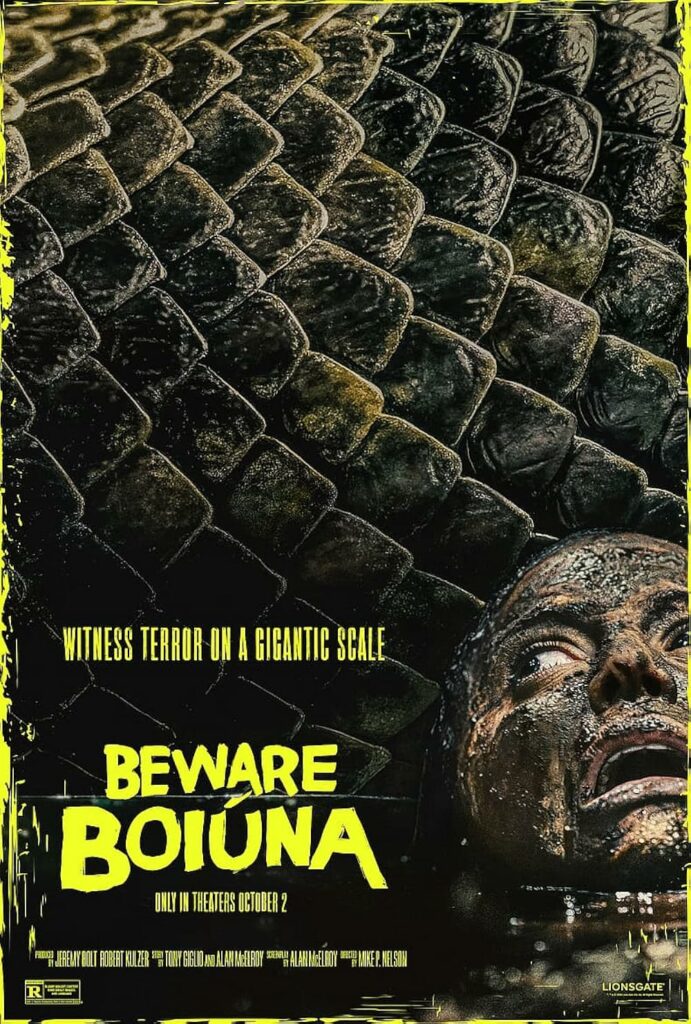
Beware Boiúna takes the creature feature deep into the Amazon, where a humanitarian medical mission drifts into territory that feels increasingly hostile. The group arrives intending to help isolated communities, but their presence awakens the Boiúna, an enormous predator drawn from South American folklore. What begins as a jungle expedition quickly becomes a fight to survive in a place where humans are very clearly not in control.
The setting does much of the heavy lifting. Dense vegetation, muddy riverbanks and the constant sense that something could be moving just beyond sight give the film a sweaty, claustrophobic atmosphere. Director Mike P. Nelson leans into practical effects and physical mayhem, and the creature works best when we feel its size and weight rather than simply seeing it. There is a pleasing old-school monster-movie quality beneath the modern action-horror surface.
It may not reinvent the giant-snake movie, but Beware Boiúna understands the appeal of one: put a group of people somewhere they cannot easily escape, introduce something much larger and hungrier than they are, and let nature take over. As a piece of Amazon-set survival horror, it is nasty, energetic and exactly the sort of creature feature that fits comfortably into an October marathon.
06 The Descent (2005) IMDb
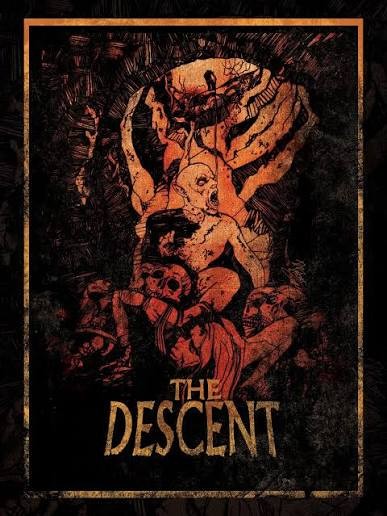
The Descent begins with a simple enough nightmare: six friends enter an unexplored cave system and discover that getting back out may be impossible. Neil Marshall takes his time tightening the walls around them, turning darkness, narrow passages and the fear of being buried alive into sources of terror long before the film reveals that they are not alone underground.
What makes the film so effective is that the creatures are almost secondary to the environment and the group itself. Grief, resentment and old wounds follow these women into the cave, while the cramped photography makes every tunnel feel smaller than the last. When the crawlers finally emerge from the darkness, the film shifts into something more savage without losing the suffocating tension that made the first half so unsettling.
The Descent remains one of the strongest horror films of the 2000s because it understands that there are several different ways to be trapped. The cave is terrifying, the creatures are vicious, but the emotional damage between the characters may be the hardest thing to escape. It is bleak, bloody and wonderfully claustrophobic.
07 The Descent: Part 2 IMDb
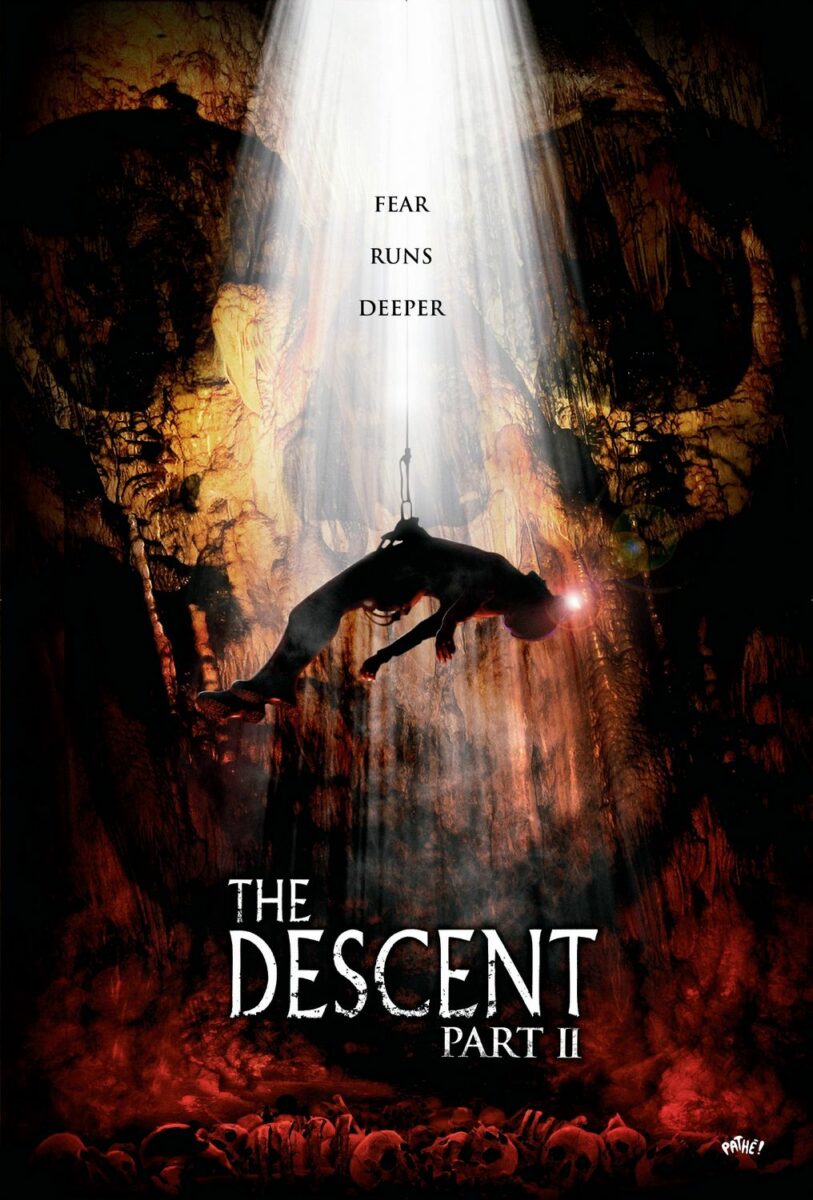
The Descent: Part 2 returns almost immediately to the nightmare of the first film. Sarah emerges traumatized and barely able to remember what happened underground, only to be taken back into the cave system with a rescue team searching for her missing friends. It is a cruel setup: having escaped one of the worst places imaginable, she is forced to descend straight back into it.
The sequel cannot recreate the shock of discovering the crawlers for the first time, so it relies more heavily on creature attacks, gore and frantic action. The caves remain wonderfully oppressive, with narrow tunnels, sudden drops and darkness constantly working against the characters. There are some nasty practical effects and several effective confrontations, although showing more of the creatures inevitably makes them a little less frightening than they were in the original.
It does not have the psychological depth or suffocating dread of The Descent, but Part 2 is a solid continuation when watched directly afterward. It expands the underground nightmare without trying to reinvent it and delivers enough claustrophobia, blood and crawler mayhem to justify another trip below ground. Not essential like the original, perhaps, but certainly an entertaining second descent.
08 Mute Witness (1995) IMDb
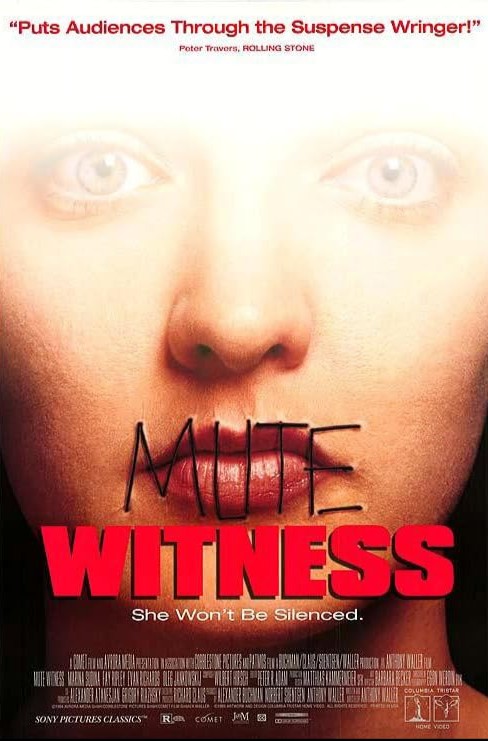
Mute Witness takes a wonderfully simple premise and turns it into an increasingly frantic nightmare. Billy, a mute makeup artist working on a low-budget horror film in Moscow, accidentally witnesses what appears to be a murder on the abandoned soundstage after everyone else has gone home. Unable to call out for help, she suddenly finds herself trapped inside the studio with the men responsible.
What makes the film work so well is its combination of suspense and dark humour. Director Anthony Waller makes excellent use of the enormous, shadowy studio, turning corridors, stairwells and unfinished sets into a maze where Billy never seems completely safe. Marina Zudina gives an extremely physical performance, communicating fear and determination without dialogue, while the film keeps finding clever ways to tighten the situation around her.
Mute Witness deserves far more attention than it gets. It has some of the mechanics of a Hitchcock thriller, the atmosphere of a European horror film and just enough absurdity to keep things unpredictable. Once the chase begins, the movie rarely lets up, making it exactly the kind of overlooked 1990s thriller I hope to uncover during this October marathon.
09 Ghost in the Cell (2026) IMDb
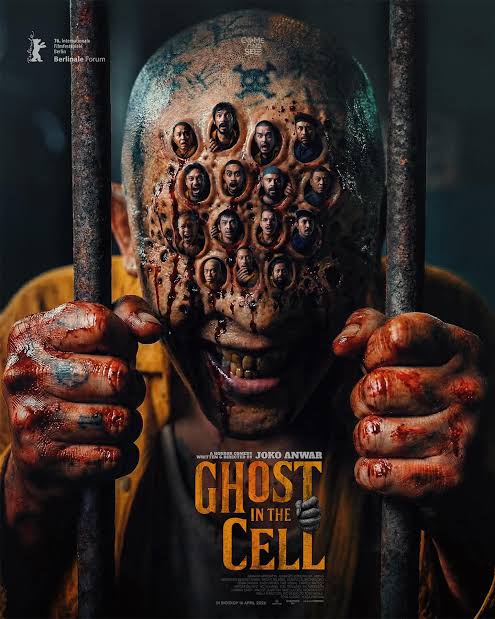
Ghost in the Cell takes the familiar prison horror setting and turns it into something wonderfully bizarre. Inside an Indonesian prison controlled by violent gangs and corrupt authorities, a series of gruesome deaths begins shortly after the arrival of a mysterious new inmate. The prisoners quickly discover that their greatest threat is not the guards or each other, but a supernatural presence that seems capable of turning their anger against them. Escaping is impossible, and surviving may require these bitter enemies to work together.
Director Joko Anwar embraces the absurdity of the premise, mixing brutal violence, supernatural horror and unexpectedly dark comedy. The prison is already a miserable place before the ghost arrives, and the increasingly elaborate deaths make everything considerably worse. There is plenty of grotesque imagery and outrageous gore, but the film also finds humour in the desperate ways the inmates attempt to avoid becoming the next victims. Beneath the chaos lies a pointed criticism of corruption, cruelty and institutional power.
Ghost in the Cell is an entertainingly unpredictable piece of Indonesian horror that refuses to settle into any single genre. It is bloody, strange and frequently ridiculous, but that willingness to take risks is part of its appeal. Anwar delivers a supernatural prison nightmare with considerably more on its mind than simply finding new ways to kill people.
10 Julia’s eyes (2010) IMDb
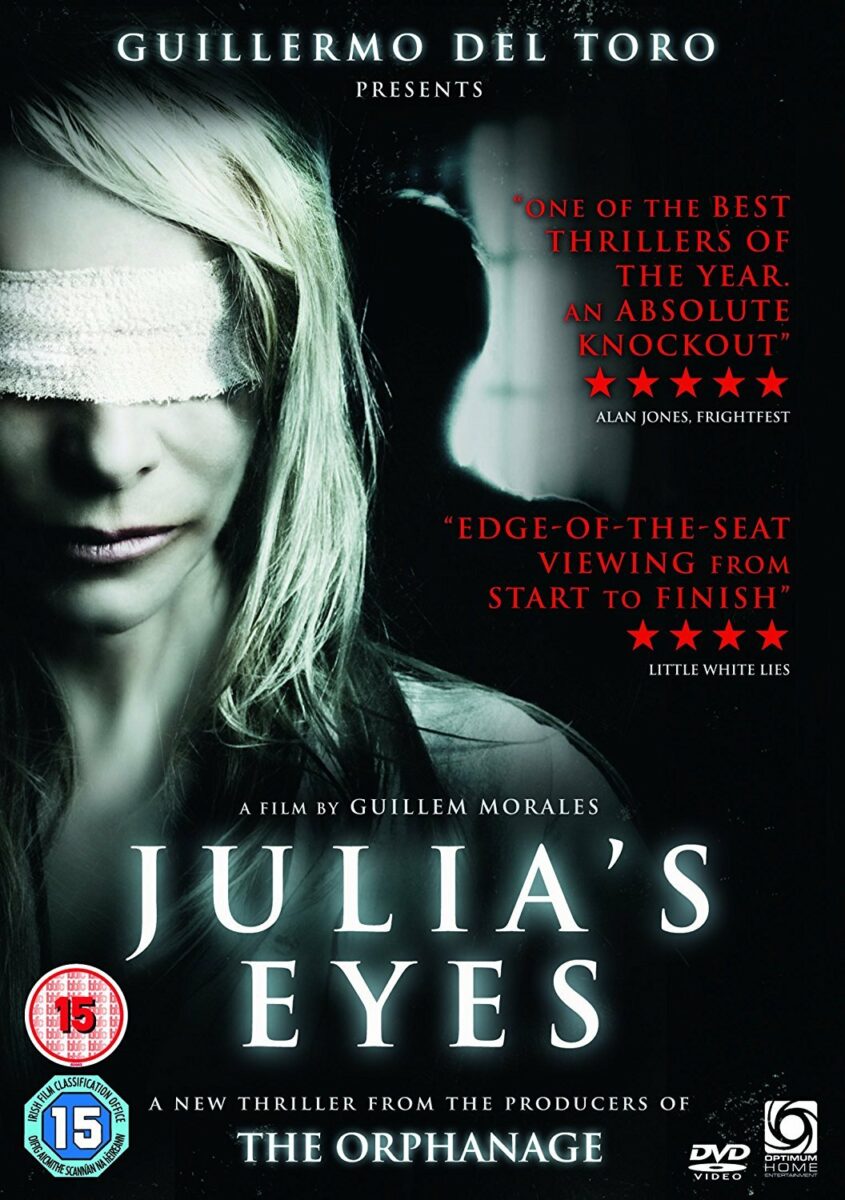
Julia’s Eyes begins with a disturbing mystery. After discovering that her blind twin sister has apparently committed suicide, Julia becomes convinced that someone else was responsible. Suffering from the same degenerative eye condition, she begins investigating her sister’s final days while her own vision steadily deteriorates. The closer she gets to uncovering the truth, the more vulnerable she becomes to a mysterious figure who seems to exist just beyond the limits of what she can see.
Director Guillem Morales makes excellent use of darkness, shadows and restricted vision, frequently withholding information from the audience just as Julia struggles to understand her surroundings. Belén Rueda gives a convincing performance as a woman whose determination gradually turns into desperation. The film has the atmosphere of a classic Spanish Gothic thriller, with touches of Hitchcock and Italian giallo, although some of the later twists strain credibility. Even so, the careful camerawork and steadily increasing tension make the journey genuinely unsettling.
Julia’s Eyes is an effective psychological thriller that understands how frightening the loss of sight can be, particularly when there may be someone watching from the darkness. It occasionally becomes more complicated than necessary, but its atmosphere and inventive visual storytelling make it a memorable entry in modern Spanish horror. Sometimes what we cannot see is considerably more terrifying than what we can.
11 The Orphanage (2007) IMDb
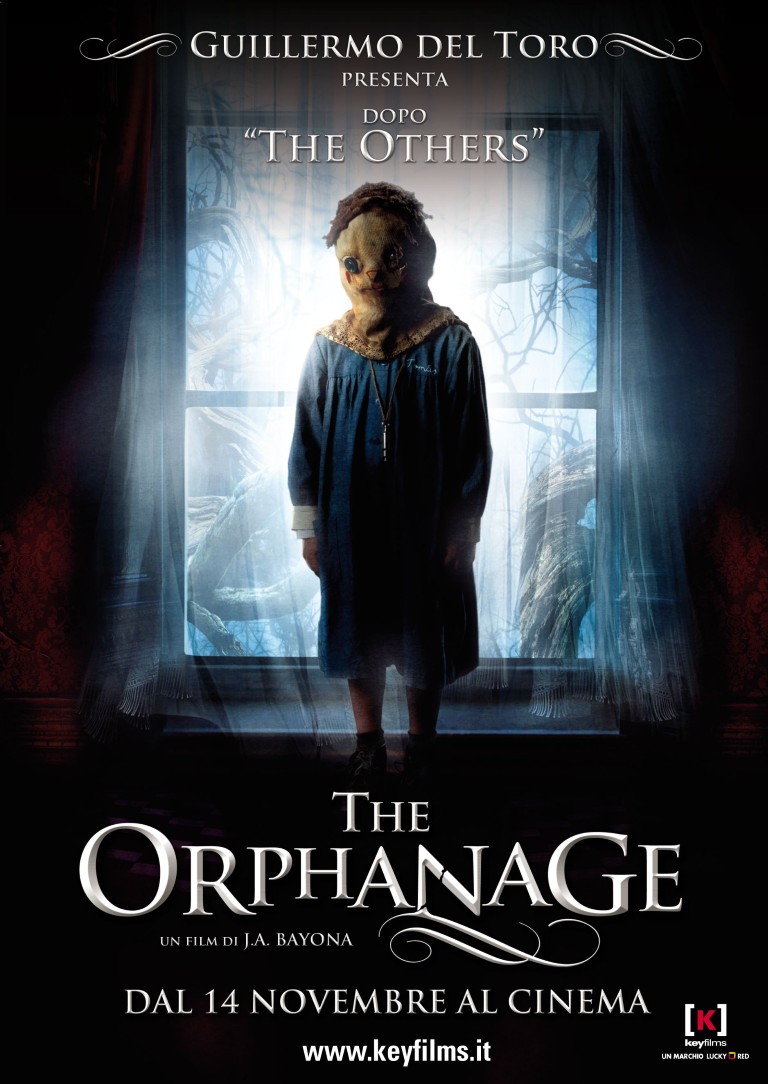
Returning to the seaside orphanage where she spent her childhood, Laura (Belén Rueda) hopes to transform the abandoned building into a home for children with special needs. But when her young son Simón begins communicating with mysterious imaginary friends, unsettling events suggest that the building’s troubled past has never truly been laid to rest. When Simón suddenly disappears, Laura becomes convinced that something supernatural is responsible.
Produced by Guillermo del Toro, The Orphanage is an atmospheric Spanish Gothic horror film that favours creeping dread over cheap scares. Director J. A. Bayona makes remarkable use of the isolated coastal setting, shadowy corridors, and unsettling children’s games to create an increasingly oppressive sense of unease. Belén Rueda delivers an emotionally powerful performance as a mother whose desperation gradually blurs the boundaries between grief, obsession, and the supernatural.
What begins as a traditional haunted-house mystery ultimately develops into something considerably more heartbreaking. With its carefully constructed suspense, disturbing imagery, and devastating conclusion, The Orphanage stands among the finest supernatural horror films of the 2000s.
12 Pan’s Labyrinth (2006) IMDb
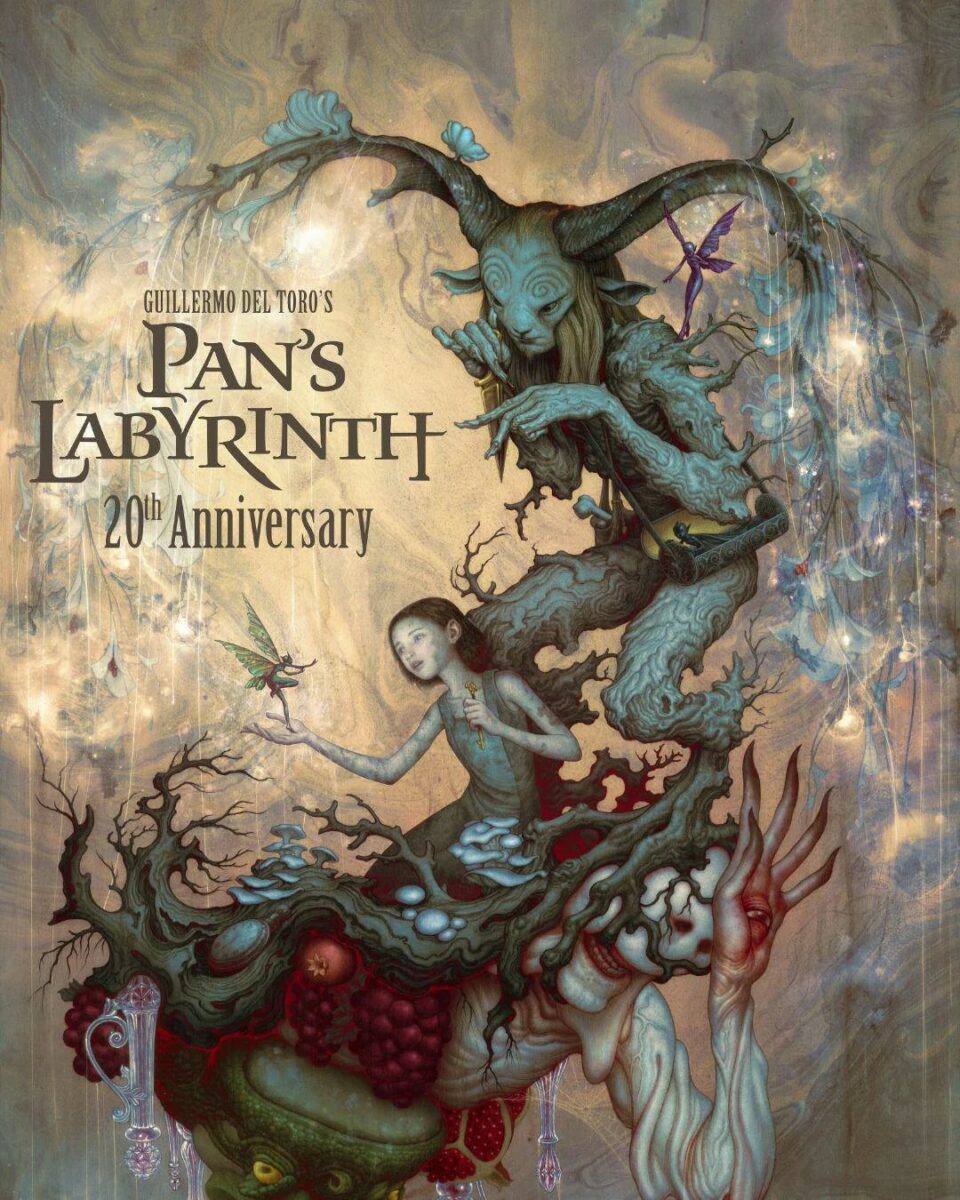
Set against the brutal aftermath of the Spanish Civil War, Pan’s Labyrinth follows Ofelia, a young girl who accompanies her pregnant mother to a remote military outpost commanded by her cruel new stepfather, Captain Vidal. Seeking refuge from the violence and oppression surrounding her, Ofelia discovers an ancient labyrinth inhabited by a mysterious faun who claims she is the reincarnation of an underworld princess. To reclaim her rightful place, she must complete three dangerous tasks, each drawing her deeper into a world where fairy tales are considerably darker than she imagined.
Guillermo del Toro masterfully blends historical drama with dark fantasy, creating a visually extraordinary world populated by unforgettable creatures, including the grotesque Pale Man. The elaborate practical effects, haunting production design and Javier Navarrete’s beautiful musical score give the film an atmosphere that is simultaneously enchanting and deeply unsettling. Yet the most frightening monster is entirely human, with Sergi López delivering a chilling performance as the sadistic Captain Vidal. The contrast between childhood imagination and fascist brutality gives the film its remarkable emotional power.
Pan’s Labyrinth is one of del Toro’s finest achievements, a haunting adult fairy tale that explores innocence, disobedience, sacrifice and the cruelty of authoritarianism. Beautiful, heartbreaking and occasionally horrifying, it demonstrates that fantasy can illuminate the darkest aspects of reality. Few films manage to be so magical and so devastating at the same time.
13 Whalefall (2026) IMDb
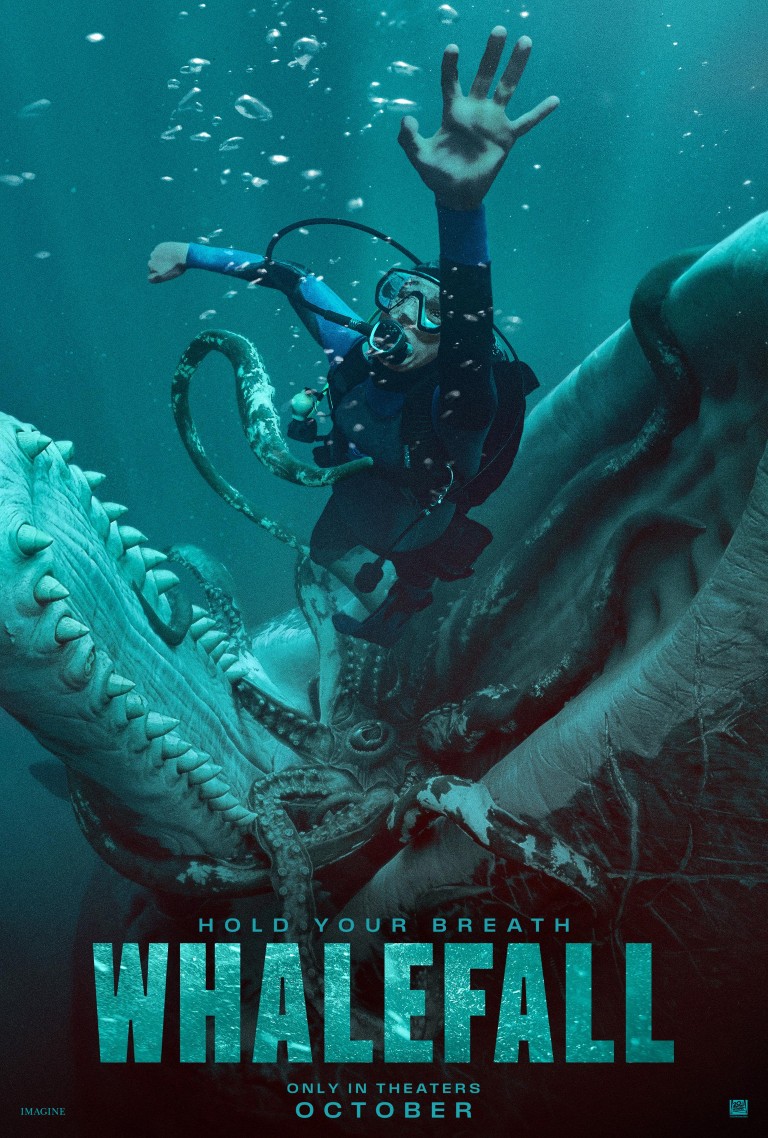
Being swallowed alive by a sperm whale is an unusually ambitious way to begin a survival nightmare, but that is precisely the predicament facing a young scuba diver played by Austin Abrams. Trapped inside the enormous animal with a rapidly diminishing supply of oxygen, he must rely on the diving knowledge and hard-earned lessons passed down by his father, played by Josh Brolin. Getting out alive seems almost as impossible as the circumstances that put him there.
Director Brian Duffield takes a premise that could easily become an outrageous creature feature and gives it a more intimate emotional foundation. The combination of crushing confinement, dwindling oxygen and the sheer biological impossibility of the situation offers considerable potential for claustrophobic suspense. Beneath the spectacle lies a story about grief, memory and the complicated ways a parent’s influence can persist long after childhood.
Whalefall promises a rather different kind of monster movie, one in which the creature is not necessarily the villain and survival depends on confronting more than immediate physical danger. It is an intriguing combination of underwater terror and emotional drama, with a premise that certainly earns its place in a horror marathon.
14Hallowarrior (2026) IMDb
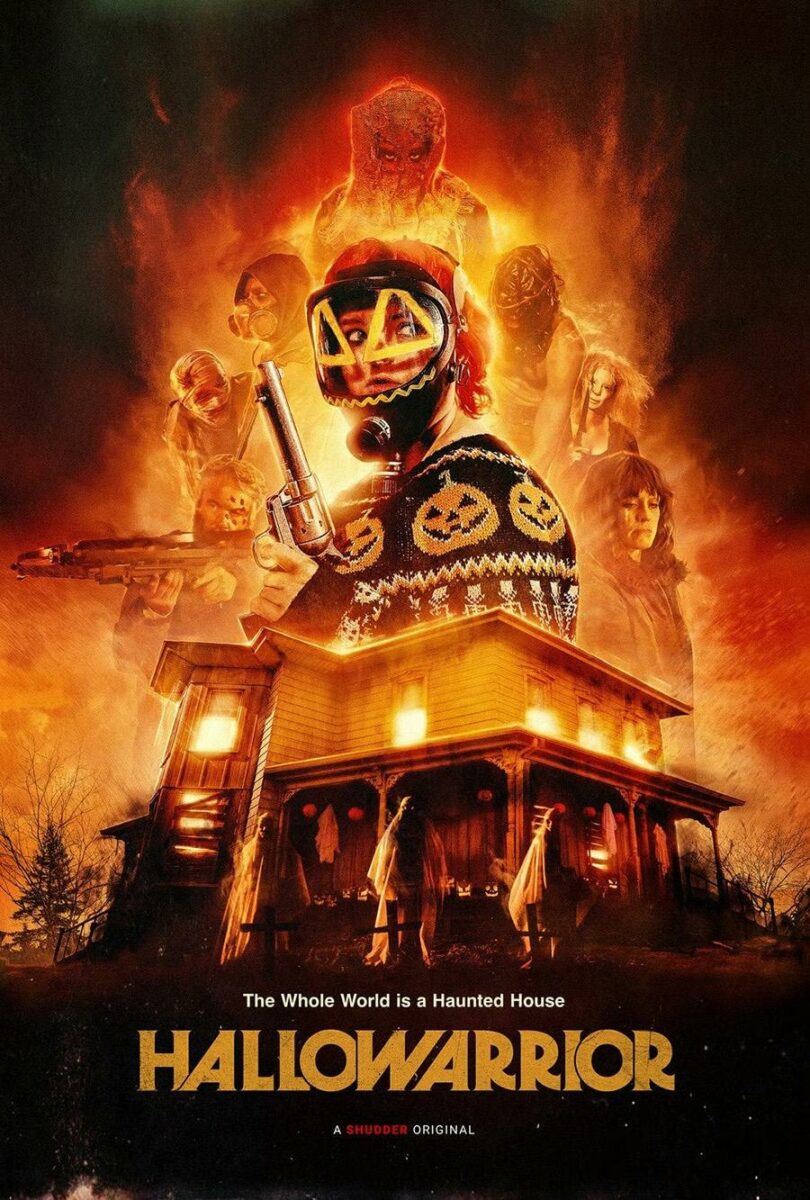
Halloween has survived the apocalypse, although the traditional festivities have taken a considerably more unpleasant turn. In a devastated world where danger lurks beyond the doorstep, a young survivor named Pumpkin, played by Milly Shapiro, must defend her home against a group of cannibalistic intruders. Trick-or-treating has apparently become a much more hazardous activity when the visitors are interested in something other than candy.
Directed by Ben Sottak, Hallowarrior combines post-apocalyptic survival horror with the imagery and traditions of Halloween. The premise offers an entertaining contrast between childhood associations with costumes and candy and a world where violence has become an everyday necessity. Shapiro, memorable from Hereditary, seems particularly well suited to a story built around youthful vulnerability and the disturbing consequences of growing up surrounded by brutality.
There is something wonderfully perverse about imagining Halloween continuing after civilization has collapsed. Hallowarrior promises a mixture of siege thriller, cannibal horror and seasonal mayhem, all wrapped around a heroine with a name that practically demands an October screening. Sometimes the holiday spirit survives in the least welcoming circumstances.
15Five More Minutes (2026) IMDb
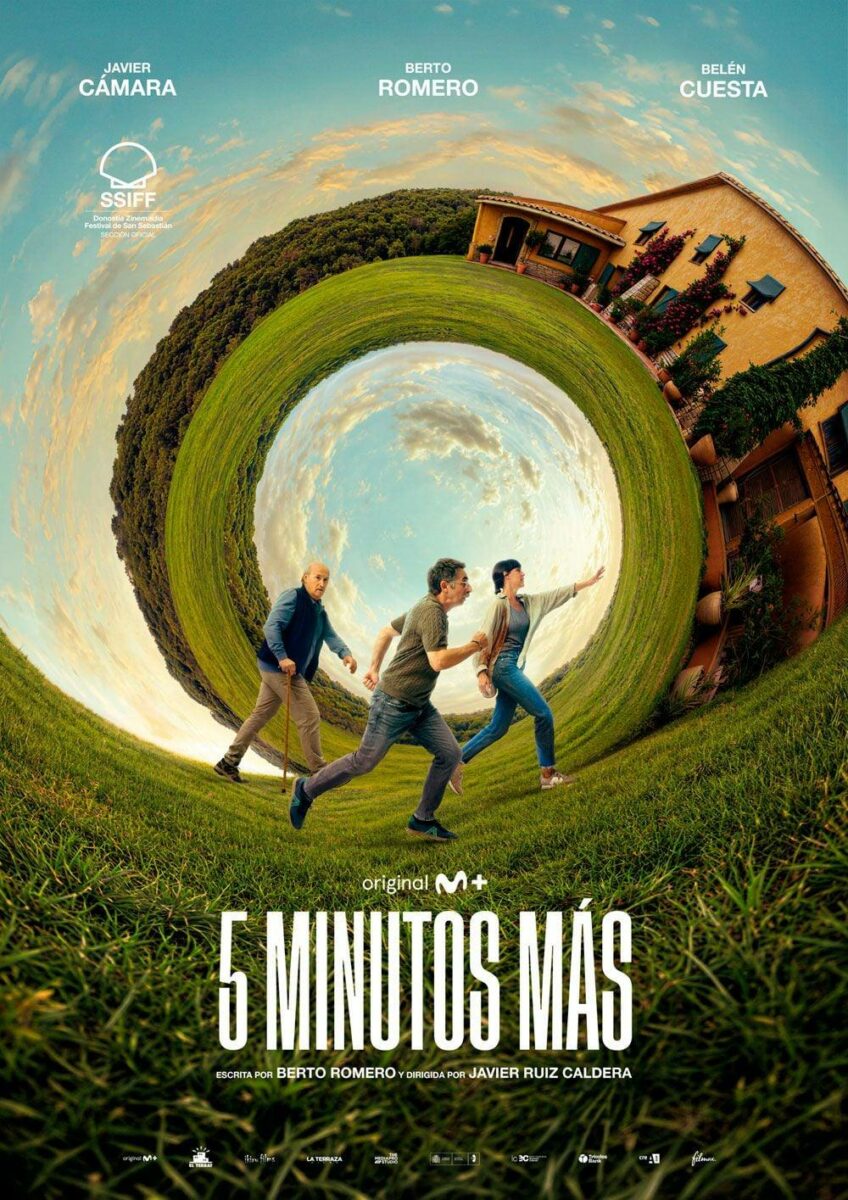
Time-loop stories usually offer their characters the comforting possibility of starting over, but Five More Minutes has a particularly cruel variation on the idea. When the entire world becomes trapped in an endlessly repeating five-minute cycle, a constantly bickering couple must find their way home while navigating an increasingly chaotic environment. Unfortunately, the consequences of their decisions do not disappear when the clock resets, turning every mistake into another complication.
Spanish director Javier Ruiz Caldera takes a familiar science-fiction premise and removes one of its most convenient rules. Rather than allowing characters to experiment without lasting consequences, the film forces them to live with the accumulating damage of their increasingly desperate choices. The combination of relationship tensions, escalating destruction and an absurdly short window of time creates the potential for a wonderfully frantic mixture of suspense and dark comedy.
There is something especially unnerving about a world where time refuses to move forward but the consequences of human stupidity continue piling up. Five More Minutes looks like an inventive variation on the time-loop formula, transforming a simple journey home into a potentially endless nightmare. Five minutes suddenly seems like a very long time.
16 Species (Sanguine) (2026) IMDb
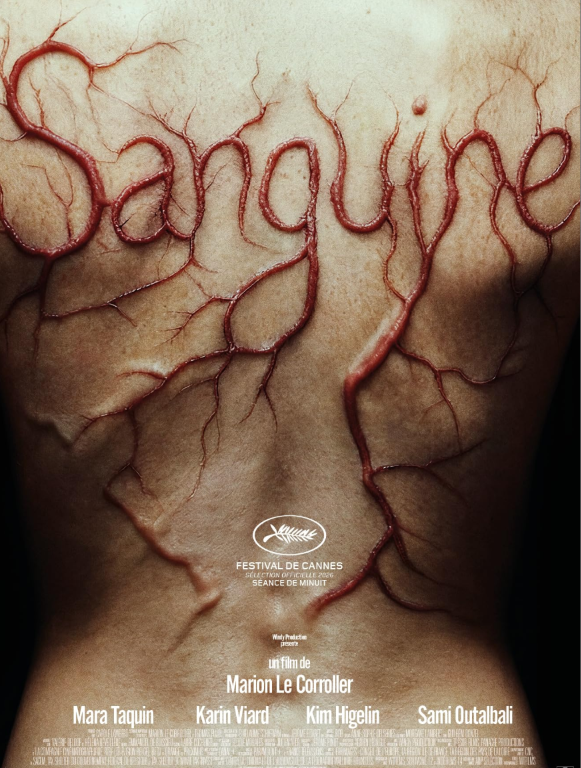
Starting a new job in a hospital emergency department is stressful enough without discovering that something deeply unnatural is happening to the patients. For young intern Margot, played by Mara Taquin, the demanding workplace quickly becomes a nightmare as patients begin displaying bizarre and disturbing physical symptoms. When her own body starts exhibiting the same abnormalities, the distinction between caregiver and patient becomes increasingly difficult to maintain.
French director Marion Le Corroller uses the relentless pressures of modern medicine as the foundation for a particularly unpleasant exercise in body horror. The emergency department provides a fitting environment for a story about physical vulnerability, exploitation and the demands placed upon workers expected to endure almost anything. With its promise of grotesque transformations, pitch-black humour and bloody practical effects, the film appears to have more on its mind than simply making audiences squirm.
Species looks to continue the tradition of body horror as social commentary, using the human body to expose the uglier consequences of systems that treat people as expendable resources. It is a suitably disturbing premise, particularly for anyone who already finds hospitals unsettling. Sometimes the workplace really does get under your skin.
17Turn It Up (2026) IMDb
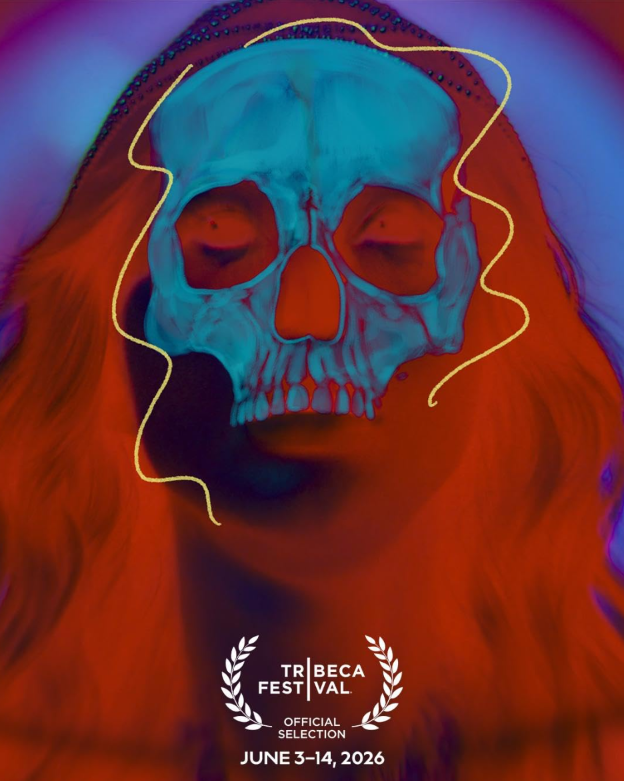
Every struggling rock band dreams of discovering the song that will finally make them famous, but the musicians in Turn It Up! stumble upon something considerably more dangerous than an unexpected hit. When an ambitious independent band begins experimenting with a cursed melody, their pursuit of musical success inadvertently opens a portal between dimensions. What initially seems like an opportunity for recognition soon threatens to unleash something far beyond their ability to control.
Canadian director Sam Scott combines the familiar ambitions and frustrations of independent musicians with a supernatural premise that promises plenty of noise, chaos and grotesque surprises. Rock music and horror have always made comfortable companions, particularly when the story involves forbidden knowledge, questionable decisions and the possibility of selling considerably more than your soul for fame. The film’s mixture of science fiction, comedy and bodily mayhem suggests an affection for the more outrageous side of genre cinema.
Turn It Up! looks like the sort of energetic horror comedy that understands the importance of having a little fun with its own absurdity. A cursed song, an interdimensional doorway and a band desperate for success sound like the ingredients for a wonderfully disastrous gig. Just remember that some melodies are probably better left unplayed.
18Sleep No More (2026) IMDb
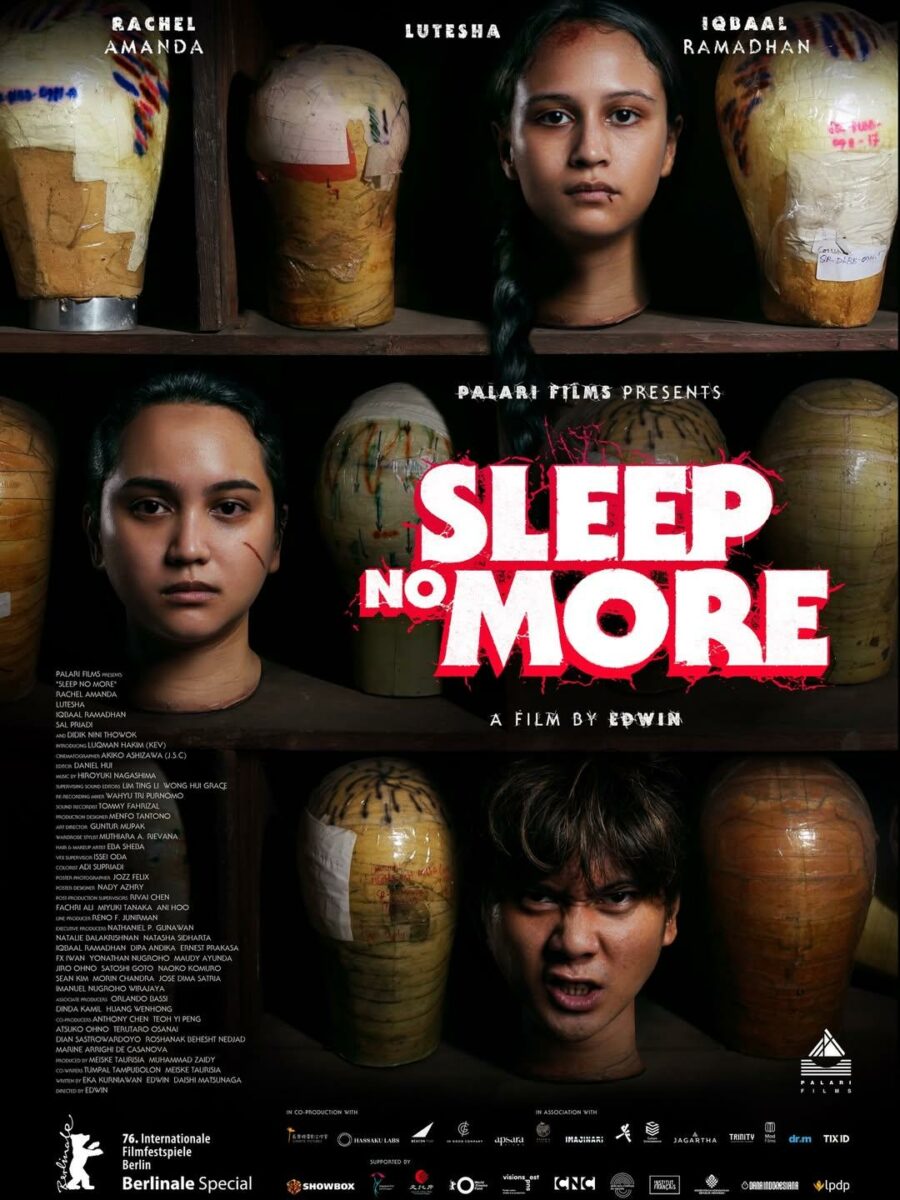
The mysterious death of their mother brings two sisters, Putri and Ida, to Jakarta, where she had been employed at an aging wig factory. Officially, her death was an unfortunate workplace accident, but the circumstances leave too many unanswered questions. Determined to discover what really happened, the sisters take jobs at the same factory, only to uncover evidence that their mother’s fate may be connected to something far more disturbing.
Indonesian director Edwin uses the oppressive environment of an industrial workplace to explore the intersection of supernatural horror and human exploitation. The factory itself provides an unsettling setting, with its machinery, artificial hair and suggestion of countless workers whose lives are valued less than the products they manufacture. The promise of grotesque practical effects adds another unpleasant dimension to a story already concerned with the physical and emotional costs of labour.
Sleep No More looks to be a particularly grim combination of family tragedy, workplace horror and supernatural mystery. The idea that something monstrous might be hiding within an ordinary factory is disturbing enough, but the suggestion that the real horror extends beyond the supernatural gives the premise additional weight. Some workplaces are best avoided, especially after the night shift.
19Drag (2026)IMDb
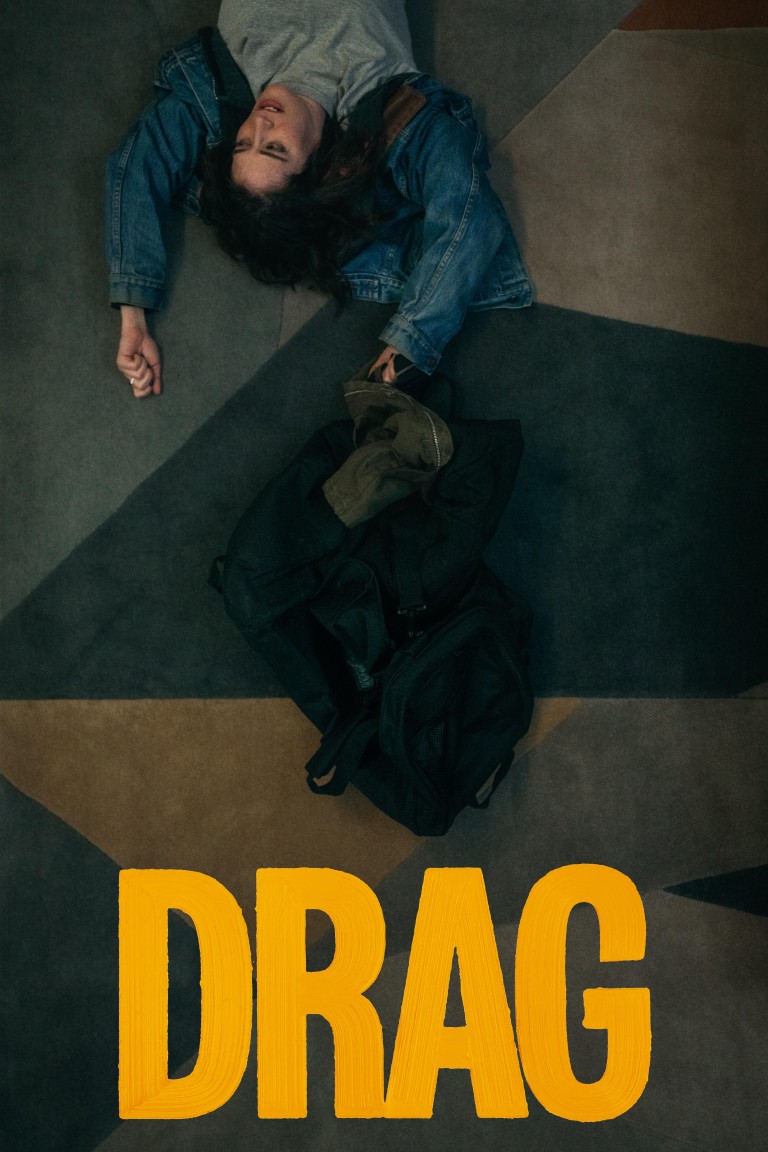
Two sisters break into a secluded rural home expecting an easy robbery, only for their plans to collapse when one of them throws out her back. Unable to move freely and stranded upstairs, she turns what should have been a quick getaway into a painfully complicated escape.
With the homeowner’s return looming, the sisters must improvise their way out of an increasingly desperate situation. Every attempt to leave creates another problem, pushing their patience, resourcefulness and loyalty to the limit as their criminal misadventure takes a darker turn.
Written and directed by Raviv Ullman and Greg Yagolnitzer, Drag stars Lizzy Caplan, Lucy DeVito and John Stamos. Mixing physical comedy with mounting tension, this dark comic thriller transforms a simple injury into a nightmare of bad decisions, unfortunate timing and a robbery that goes spectacularly wrong.
20Frogman Returns (2026)IMDb
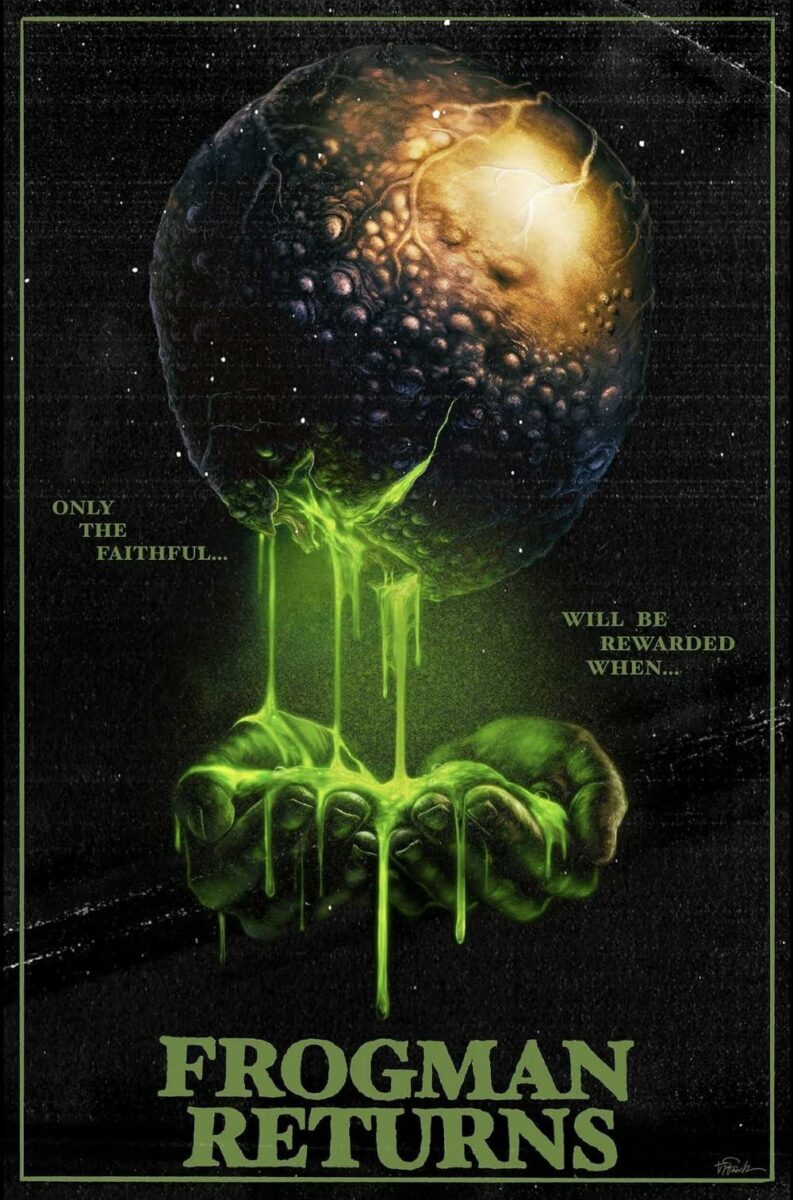
Unfinished business draws Dallas and Amy back to Loveland, Ohio, where their encounter with the legendary Frogman left questions that refuse to stay buried. Returning to the scene of their nightmare, they prepare to confront the strange presence that turned a local legend into something terrifyingly real.
But revisiting Loveland means stepping back into the creature’s territory, where the boundary between folklore and reality has already broken down. As Dallas and Amy seek to finish what they started, Frogman’s return promises another confrontation with the unexplained horrors surrounding the town.
Directed by Anthony Cousins and co-written with John Karsko, Frogman Returns continues the story of the original found-footage creature feature. Starring Nathan Tymoshuk and Natalie Tran, the sequel returns to the unsettling world of cryptid folklore, bringing its characters face to face with a legend that remains dangerously alive.
21The Devils (1971)IMDb
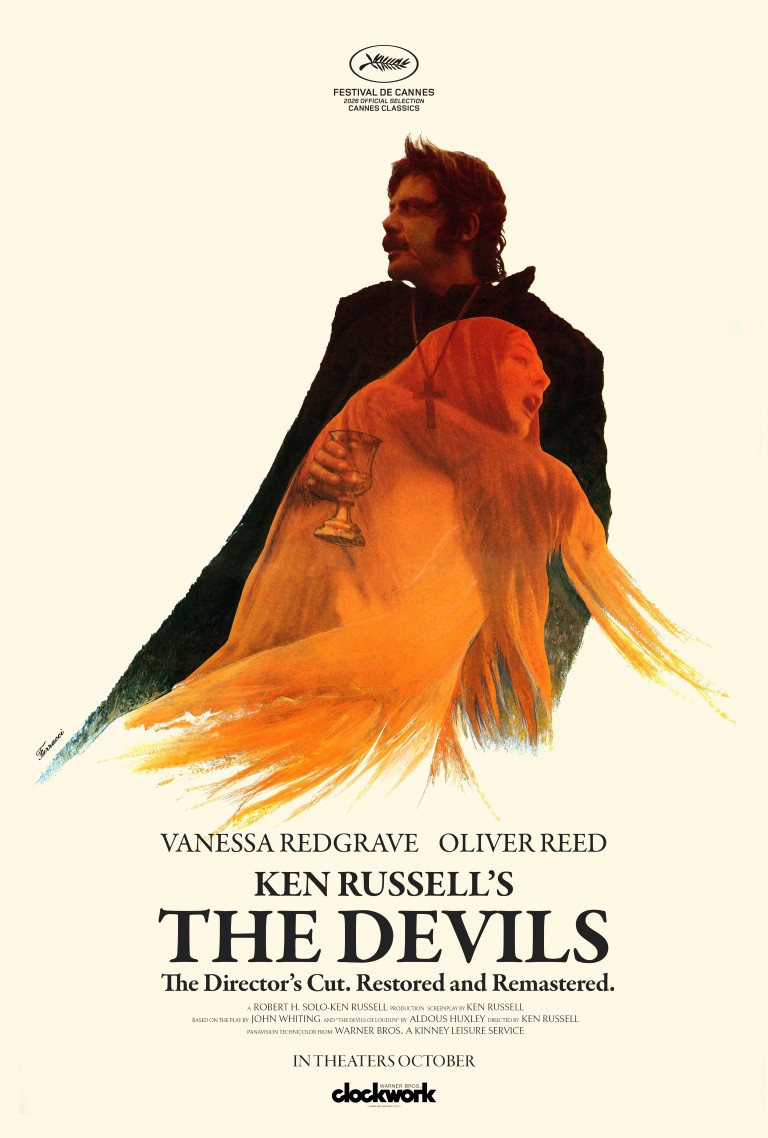
In 17th-century France, the outspoken priest Urbain Grandier finds himself caught between the people of Loudun and powerful authorities determined to bring the town under their control. His influence and refusal to submit make him a dangerous obstacle, while his private life gives his enemies the ammunition they need.
When Sister Jeanne, a nun consumed by an obsession with Grandier, accuses him of demonic involvement, her claims ignite a wave of religious hysteria. A convent becomes the centre of increasingly disturbing exorcisms, turning suspicion into public spectacle as political ambition hides behind the appearance of holy justice.
Directed by Ken Russell and starring Oliver Reed and Vanessa Redgrave, The Devils combines historical drama with shocking imagery and psychological horror. Its vision of fanaticism, sexual repression and institutional cruelty creates a deeply unsettling portrait of a society where faith becomes a weapon and truth offers little protection.
22Crawlers (2026)IMDb
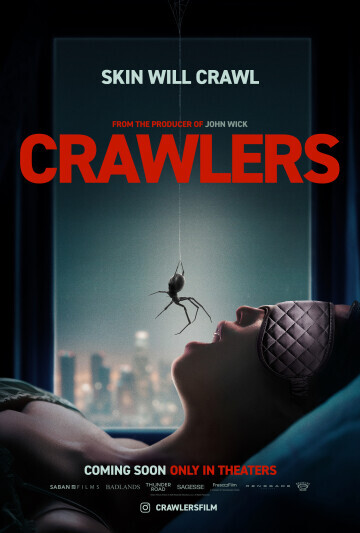
An apartment building becomes a deadly trap when an infestation of venomous spiders spreads through its rooms and corridors. As the threat escalates, authorities impose a quarantine, leaving the residents sealed inside a place that grows more dangerous with every passing moment.
Building manager Serena must work with her neighbours to survive as the creatures multiply and invade the spaces around them. With escape restricted and safety increasingly difficult to find, the residents face a desperate struggle against predators that can hide in the smallest cracks and strike without warning.
Directed by Ángel Gómez Hernández and starring Matilda Lutz, Crawlers turns an ordinary residential building into the setting for a claustrophobic creature nightmare. Combining the tension of enforced isolation with the creeping dread of a rapidly spreading infestation, the film brings the fear of spiders into the familiar surroundings of home.
23Crystal Lake (2026)IMDb
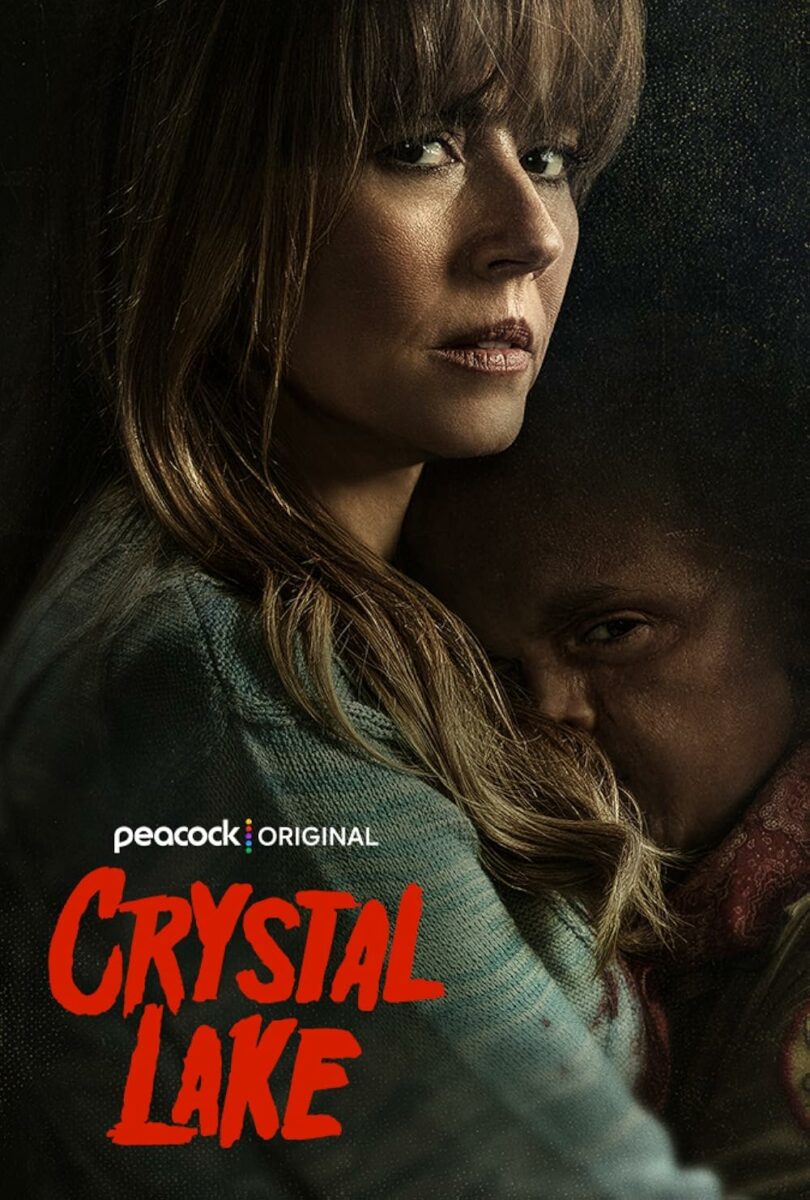
Long before Crystal Lake became synonymous with a masked killer, it was the site of a tragedy that shattered a mother’s world. Following the drowning of her young son Jason, Pamela Voorhees struggles to live with a loss the surrounding community seems ready to leave behind. When two strangers arrive asking questions about her past, their intrusion sets a disturbing chain of events in motion.
Linda Cardellini stars as Pamela in this prequel to the Friday the 13th franchise, created by Brad Caleb Kane. Placing a grieving mother at the centre of the story, the series explores the troubled history behind one of horror’s most infamous locations. Beneath the familiar summer-camp setting lies a community whose outward tranquillity conceals painful memories and unsettling secrets.
Combining a mystery about Pamela’s past with the shadow of the violence to come, Crystal Lake approaches the franchise through grief, suspicion and buried trauma. Its central question extends beyond what happened to Jason to the woman left behind after his death. The result is an origin story built around the tragedy that would help shape a lasting horror legend.
24Hope (2026)IMDb
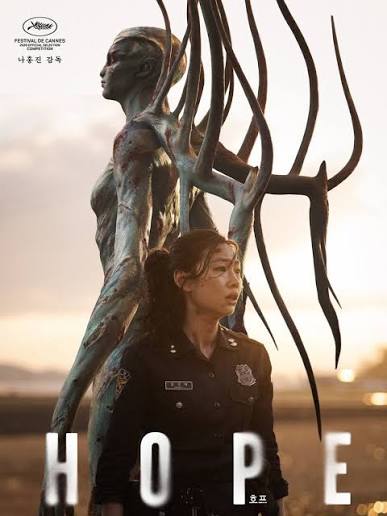
In the remote South Korean village of Hope Harbor, the appearance of a mysterious creature turns an isolated community into the centre of a terrifying struggle for survival. Police chief Bum-seok and officer Sung-ae attempt to protect the remaining residents as the danger grows. With communications cut off and reinforcements diverted to nearby wildfires, the village faces the unfolding crisis with little prospect of outside help.
Written and directed by Na Hong-jin, Hope brings together Hwang Jung-min, Zo In-sung and Hoyeon alongside an international cast that includes Michael Fassbender and Alicia Vikander. While the police defend the village, a group of locals ventures into the mountains to track the creature. Their expedition takes a frightening turn when the hunters discover that they have become the prey.
Blending science fiction, creature horror and a siege thriller, Hope places human uncertainty at the heart of its escalating disaster. Faced with something they cannot understand, the characters must make decisions whose consequences reach beyond their immediate survival. Fear, misunderstanding and conflict turn a local emergency into a confrontation with a threat of far greater proportions.