Fraser Island
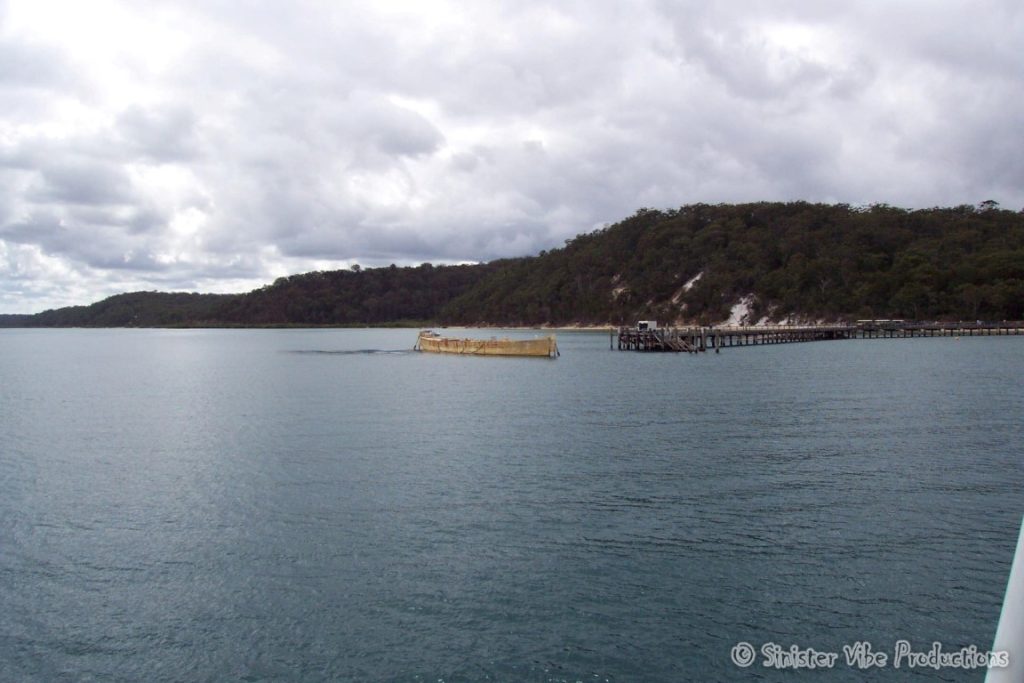
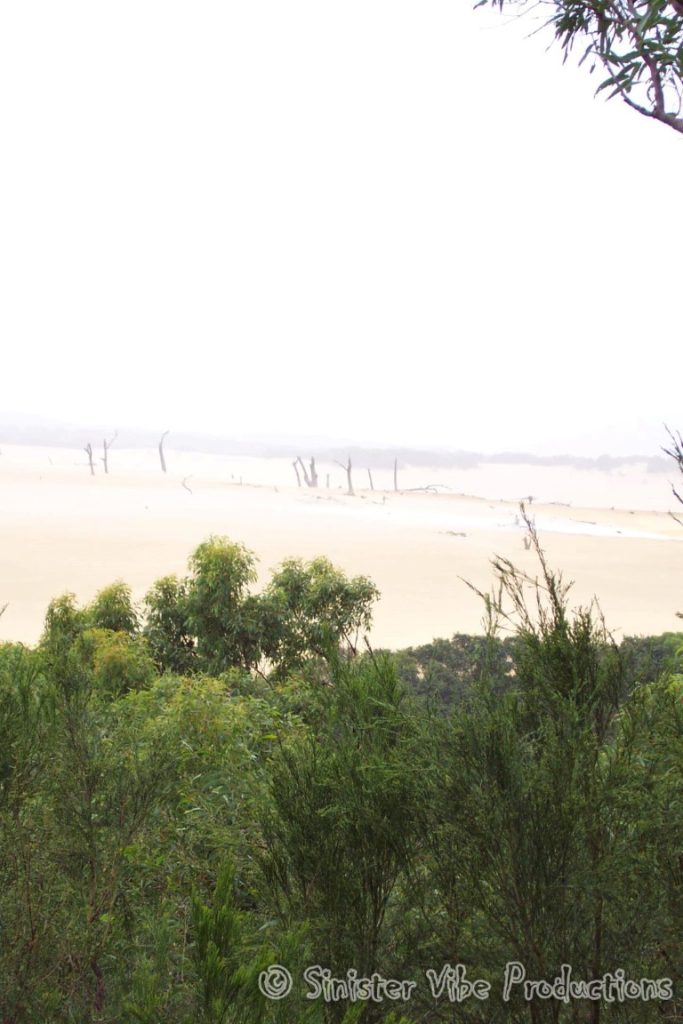
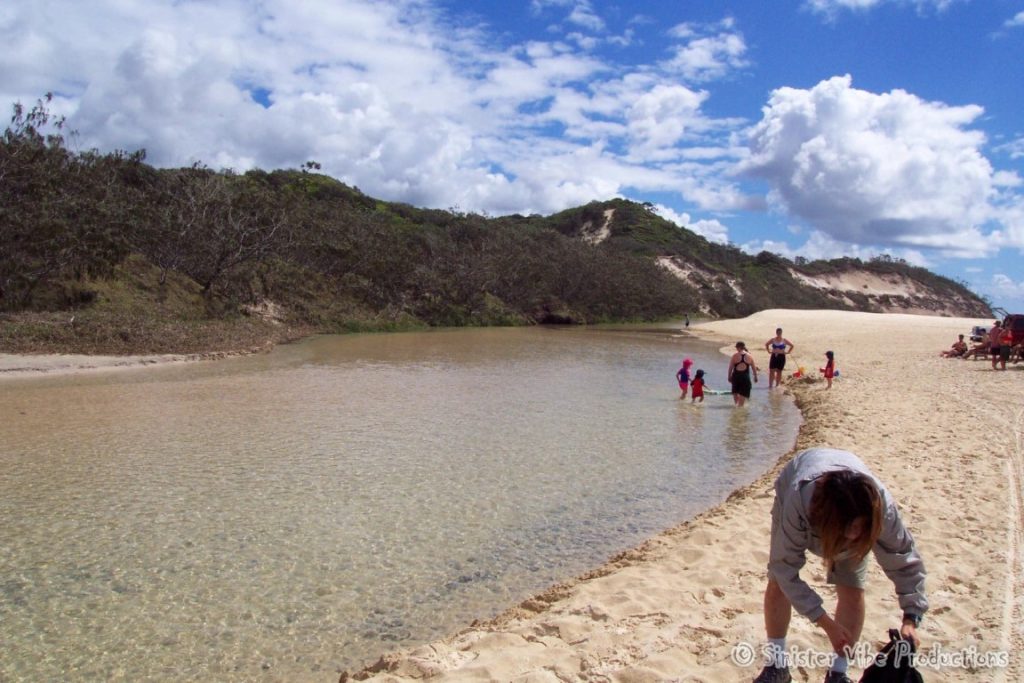
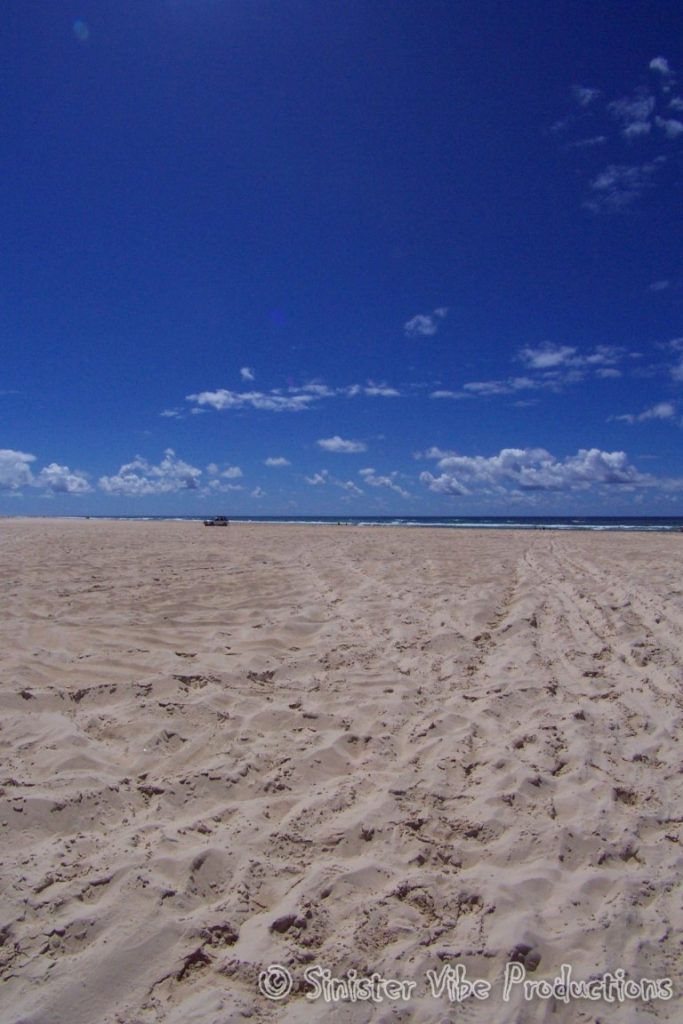
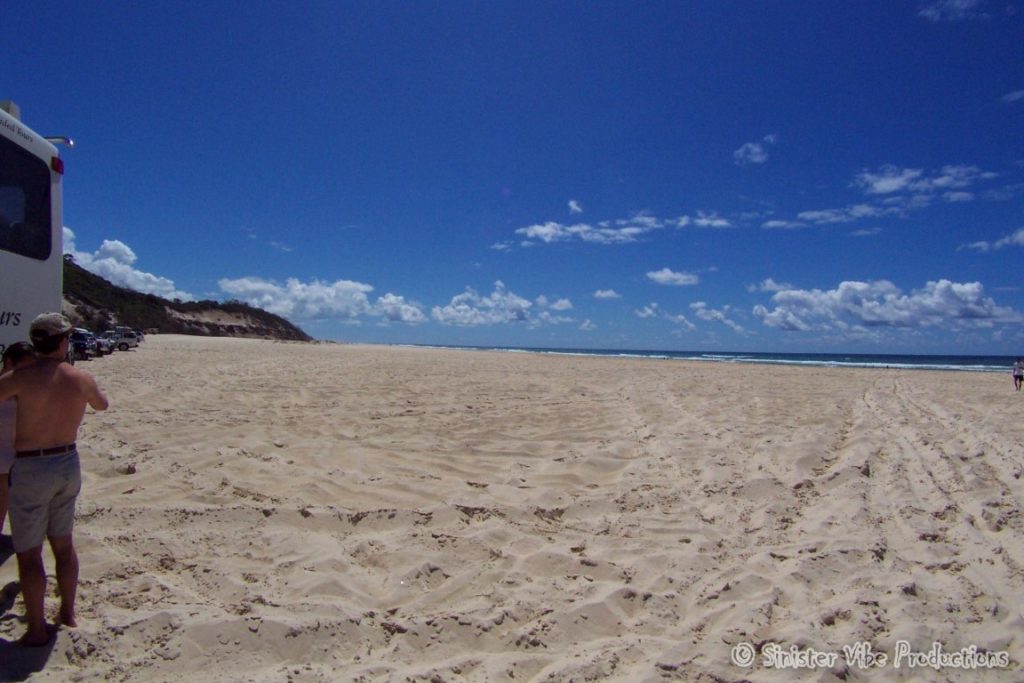
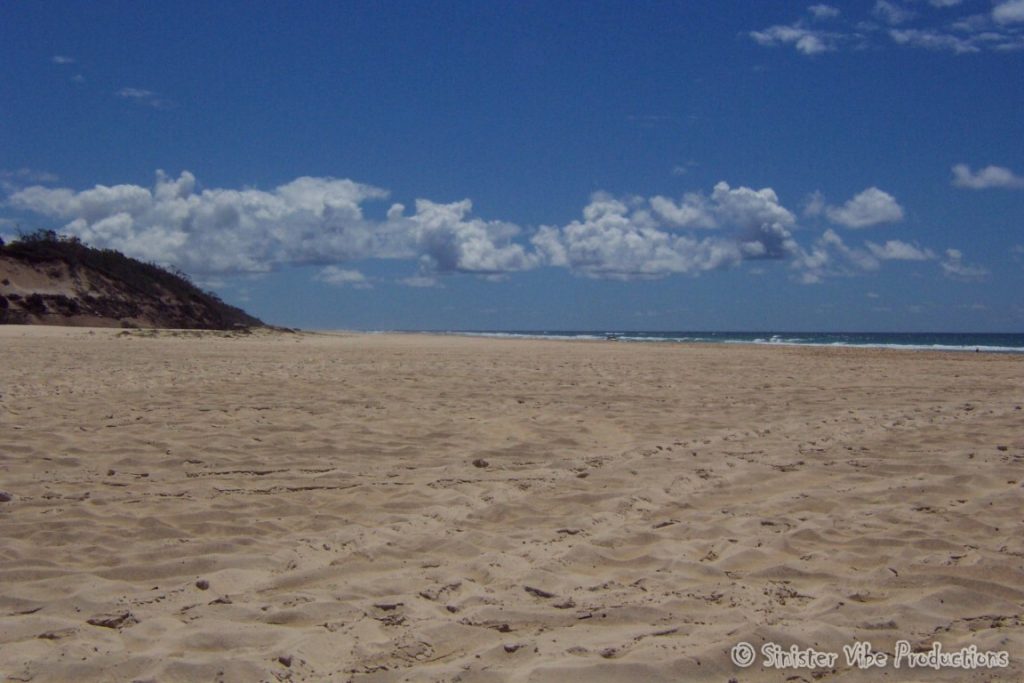
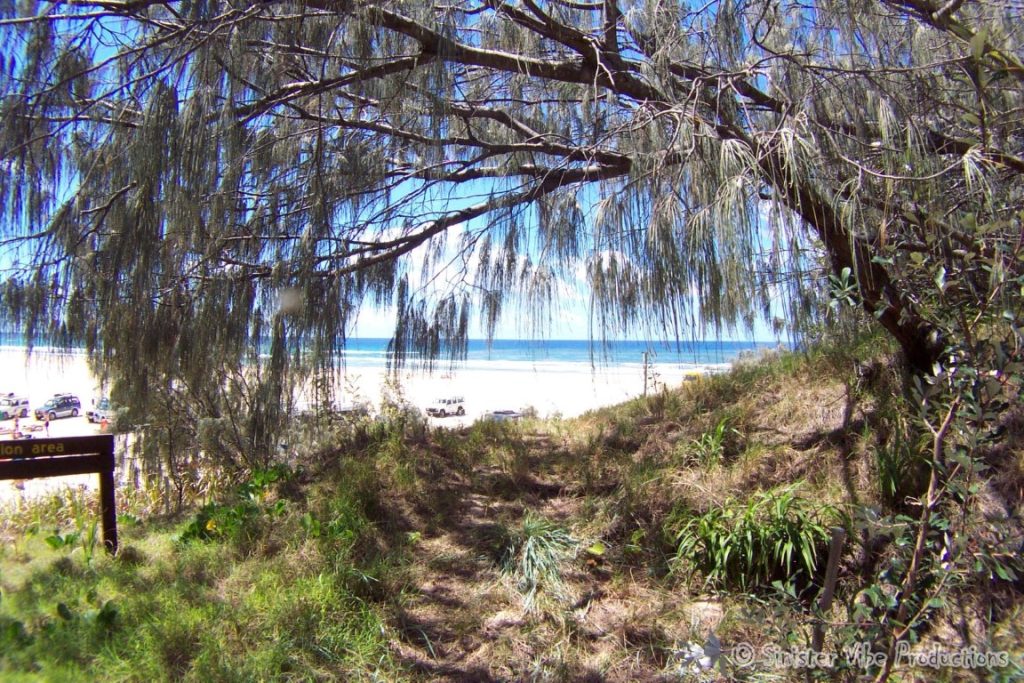
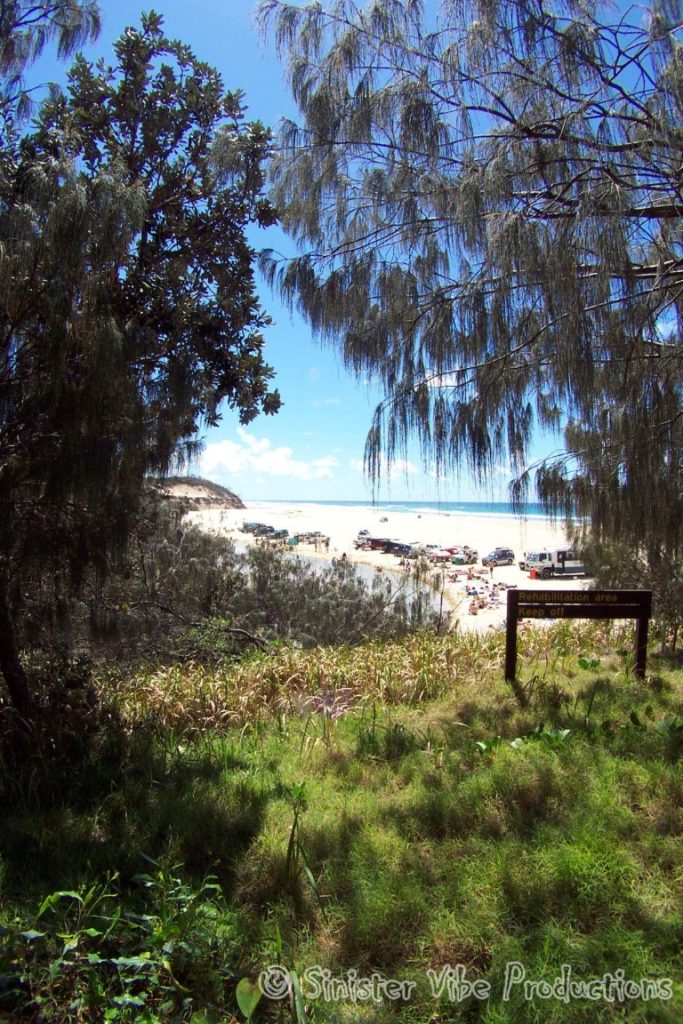
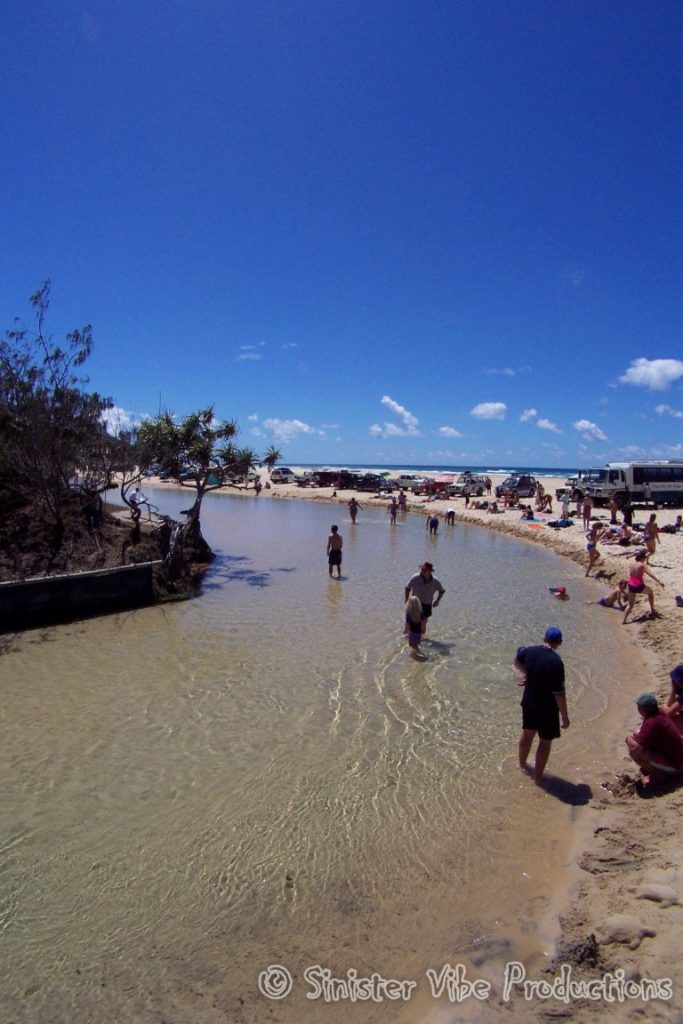
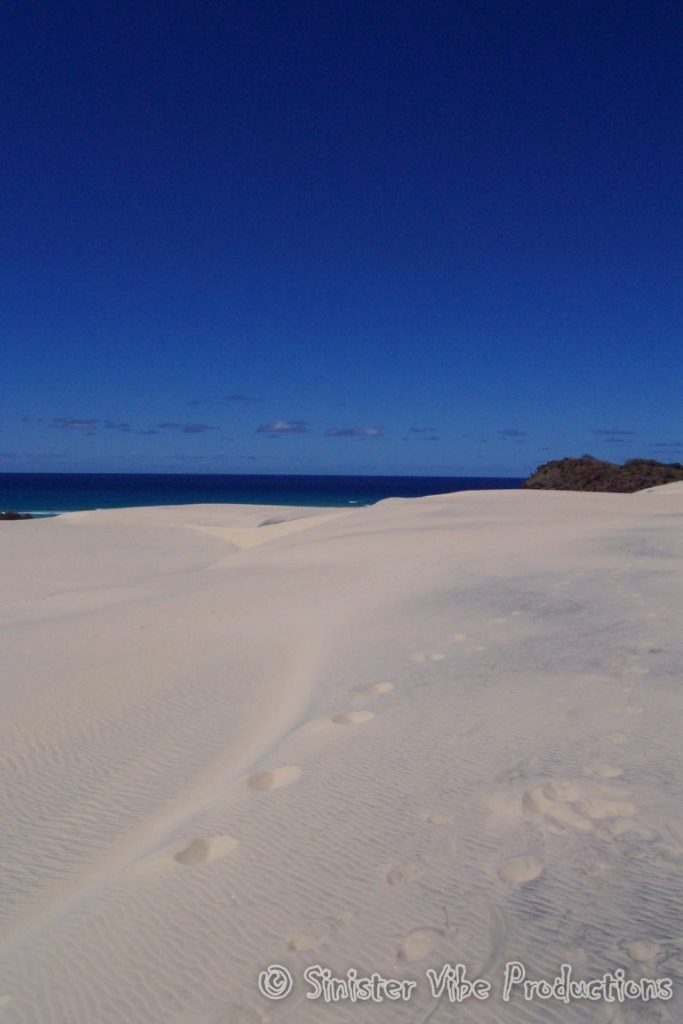
Today officially known as K’gari, Fraser Island is the enormous World Heritage-listed sand island off Queensland’s coast. Its combination of rainforest, freshwater lakes, towering sand dunes, coloured sands, beaches and wildlife made it unlike anywhere else I visited in Australia.
I knew Fraser Island was going to be one of the highlights of my trip. It was — although even now I still can’t fully describe the experience. If you’re looking at these pictures wondering whether you should go, then you better get your ass over there. I had actually started experiencing some pretty serious homesickness before leaving Hervey Bay, but that disappeared rather quickly once I arrived on Fraser Island.
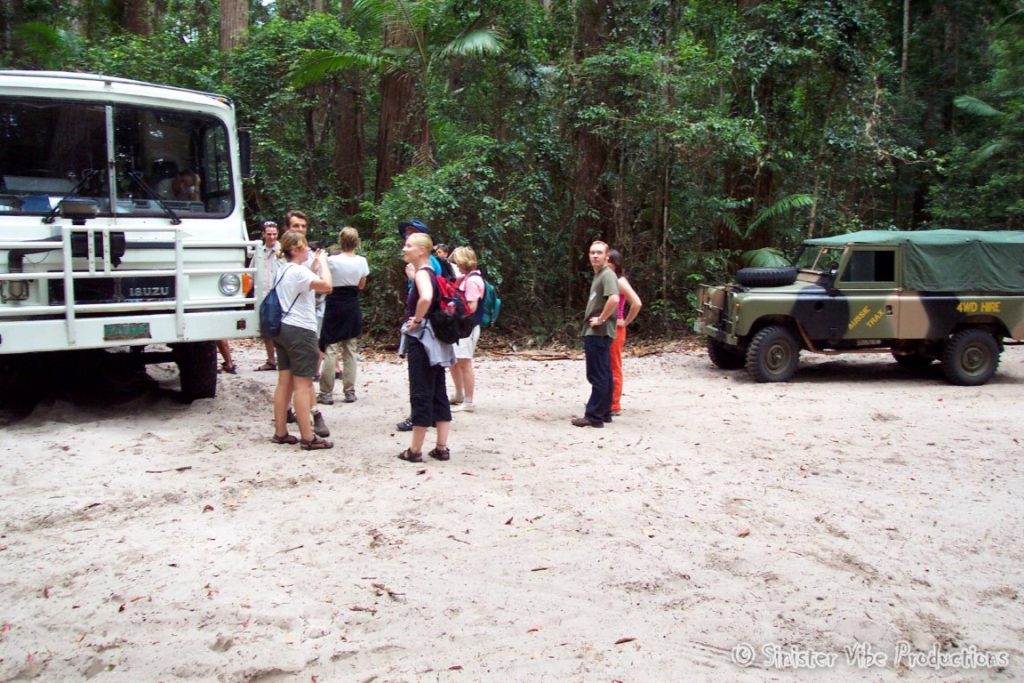
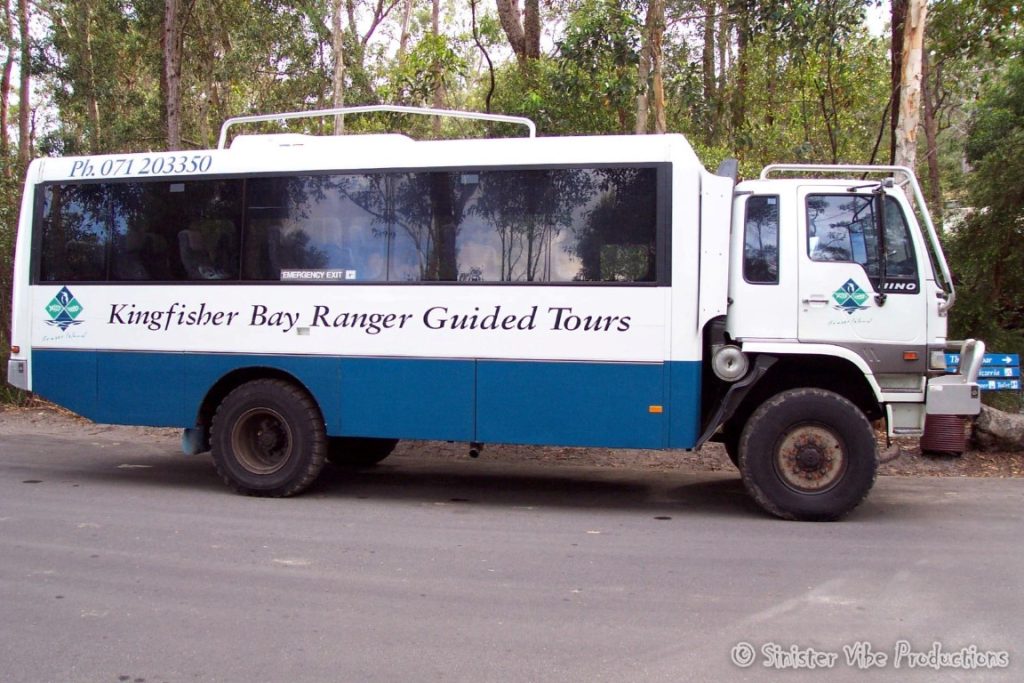
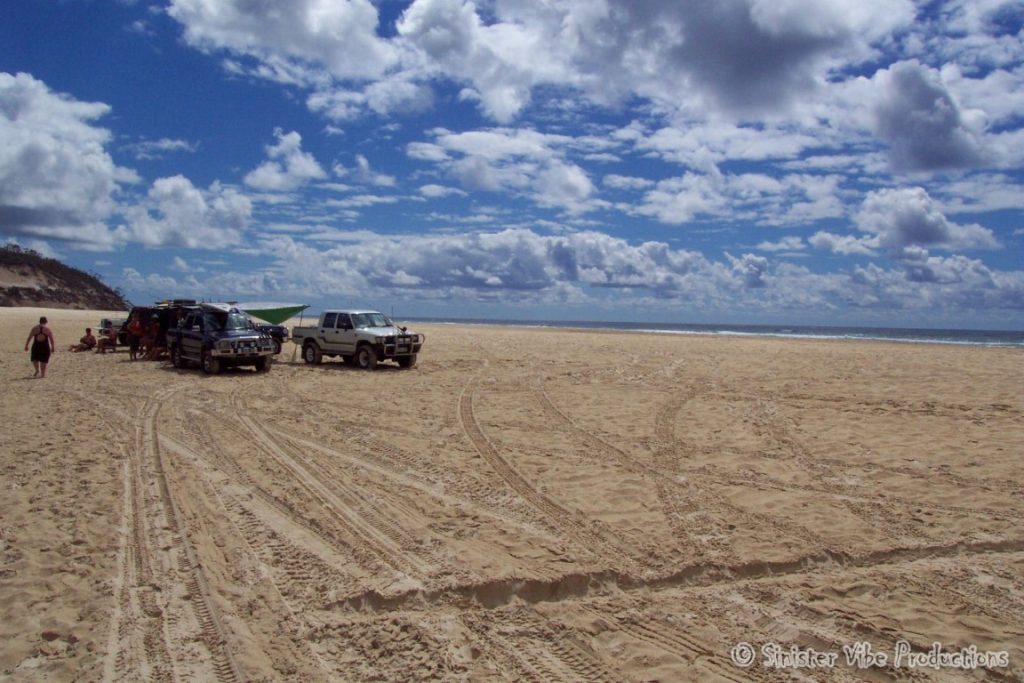
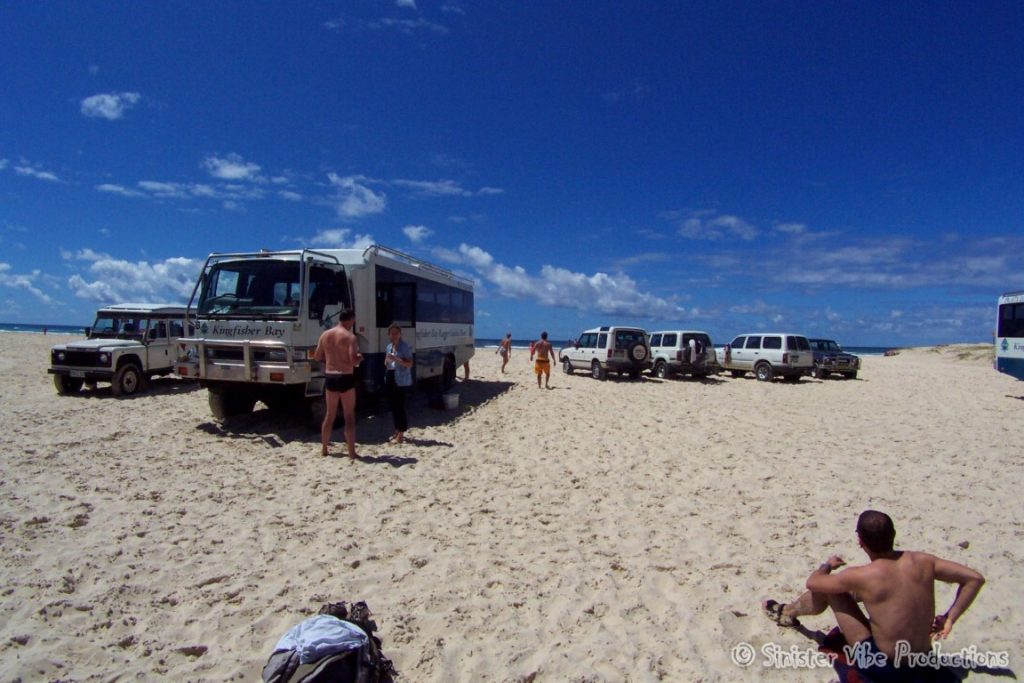
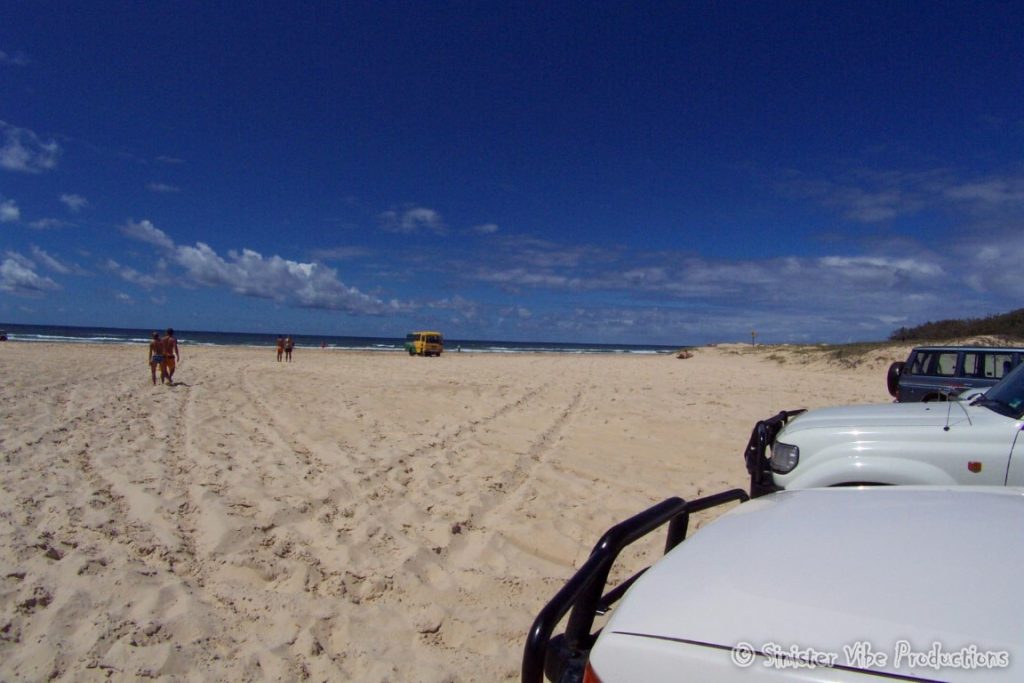
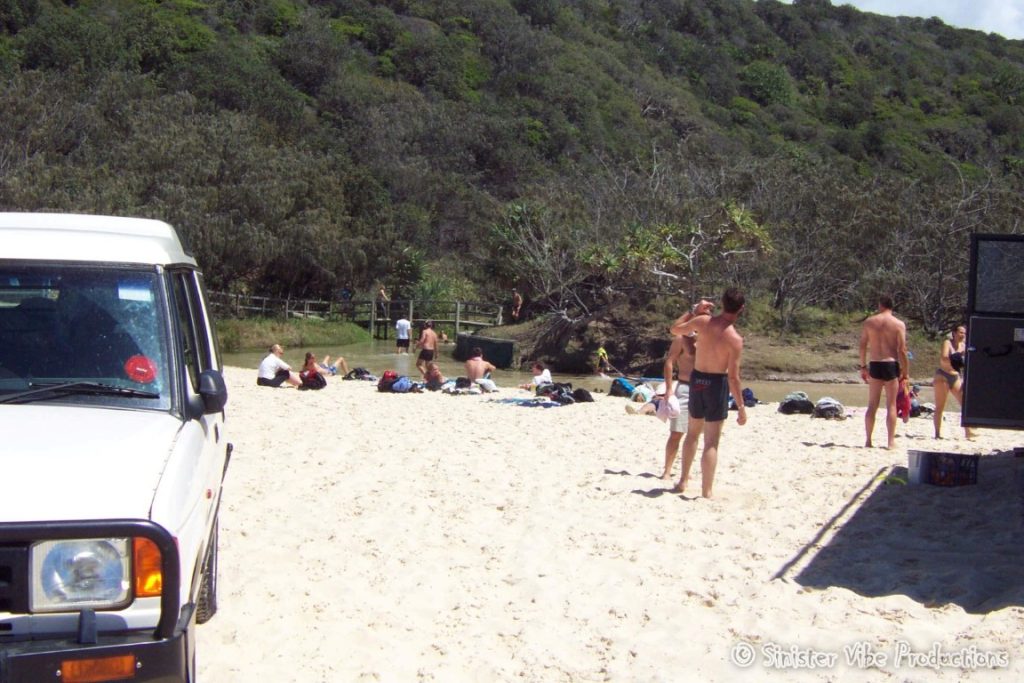
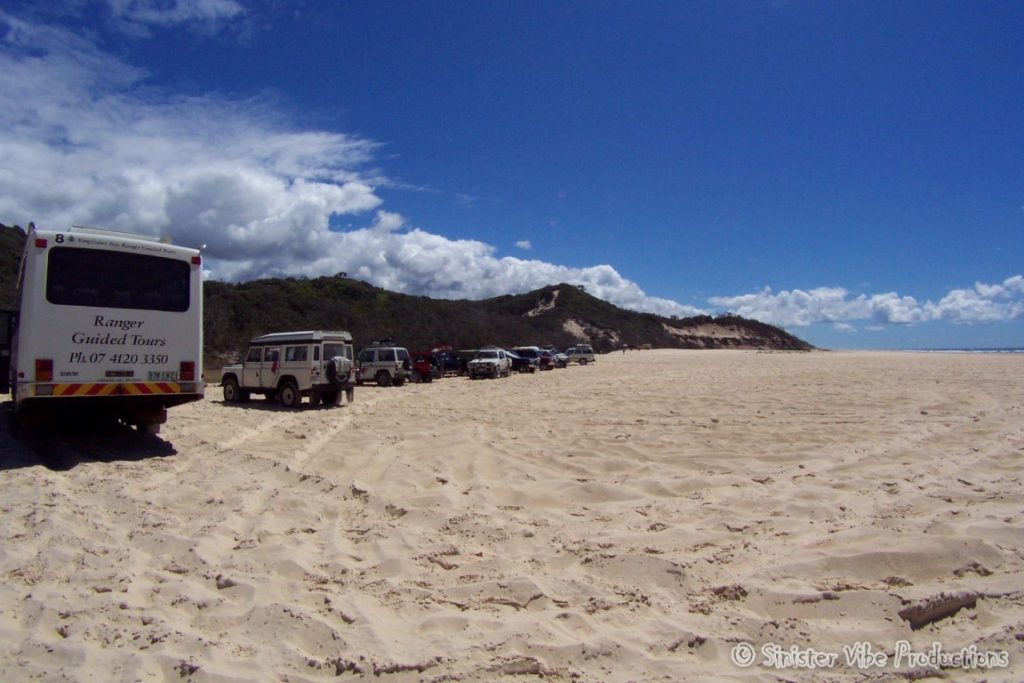
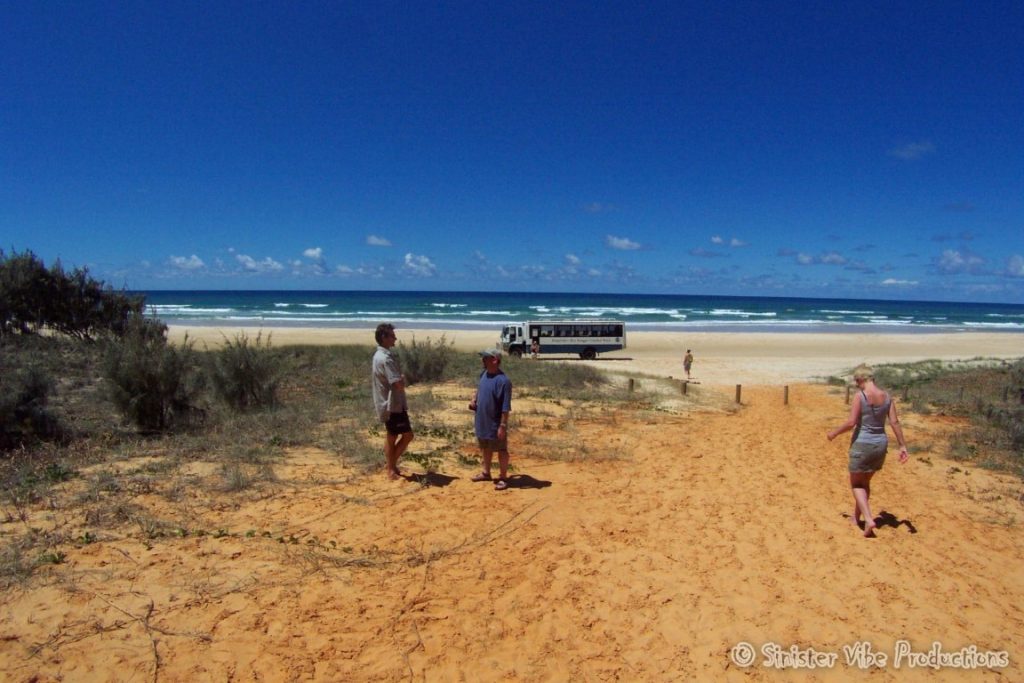
We were greeted by our ranger and guide, Peter Meyer, who would be taking us around the island for the next three days. Peter spent an enormous amount of time on Fraser Island and was an accomplished photographer himself, but more importantly for us, he turned out to be incredibly knowledgeable and one hell of a driver. Our vehicle had enormous ground clearance. It needed it. Much of the travelling here was over sand, and covering even a relatively short distance could take forever. Oh, what a bumpy ride indeed. Hang onto your kidneys!
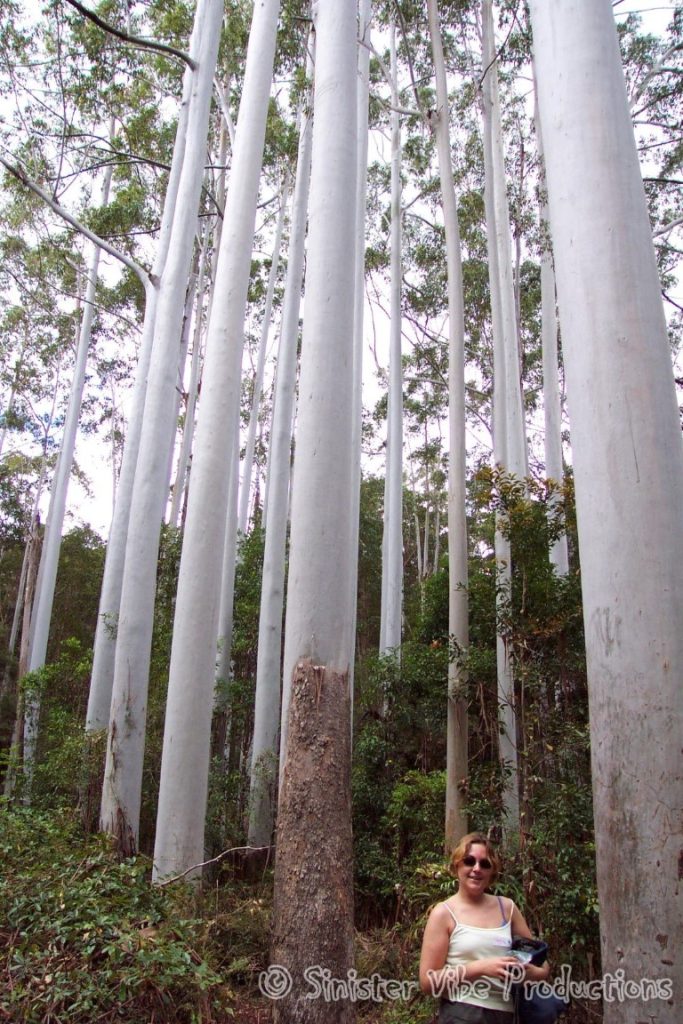
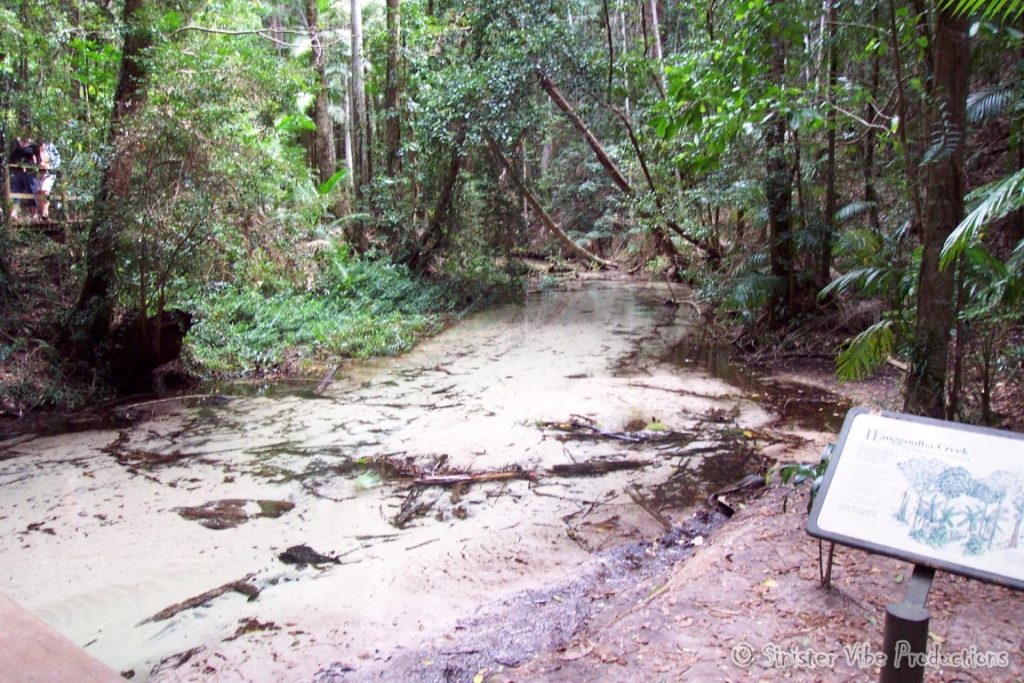
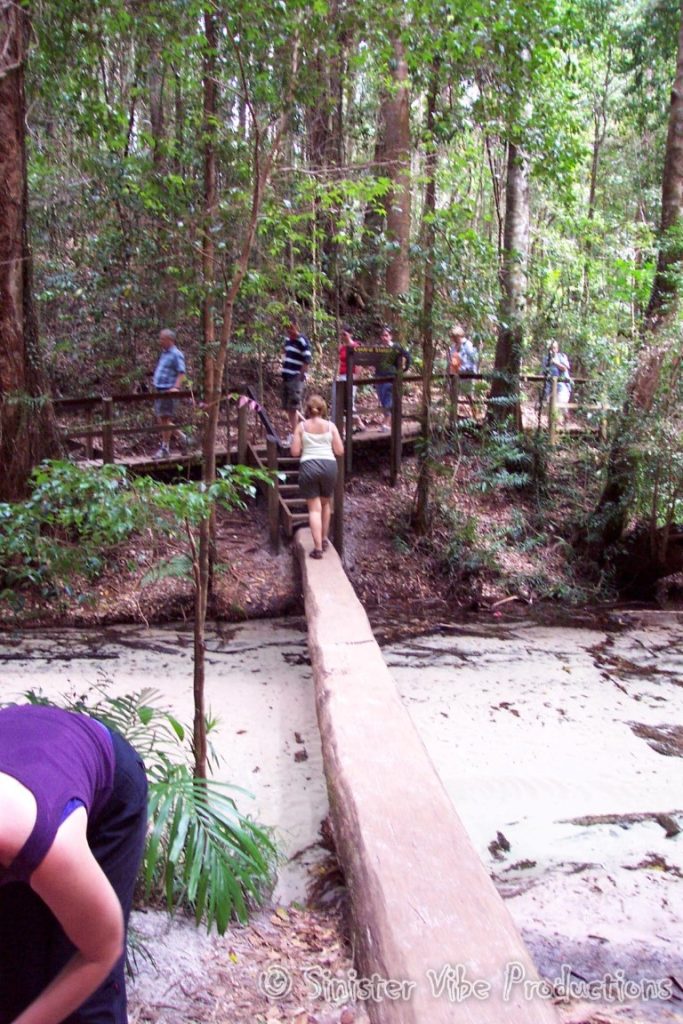
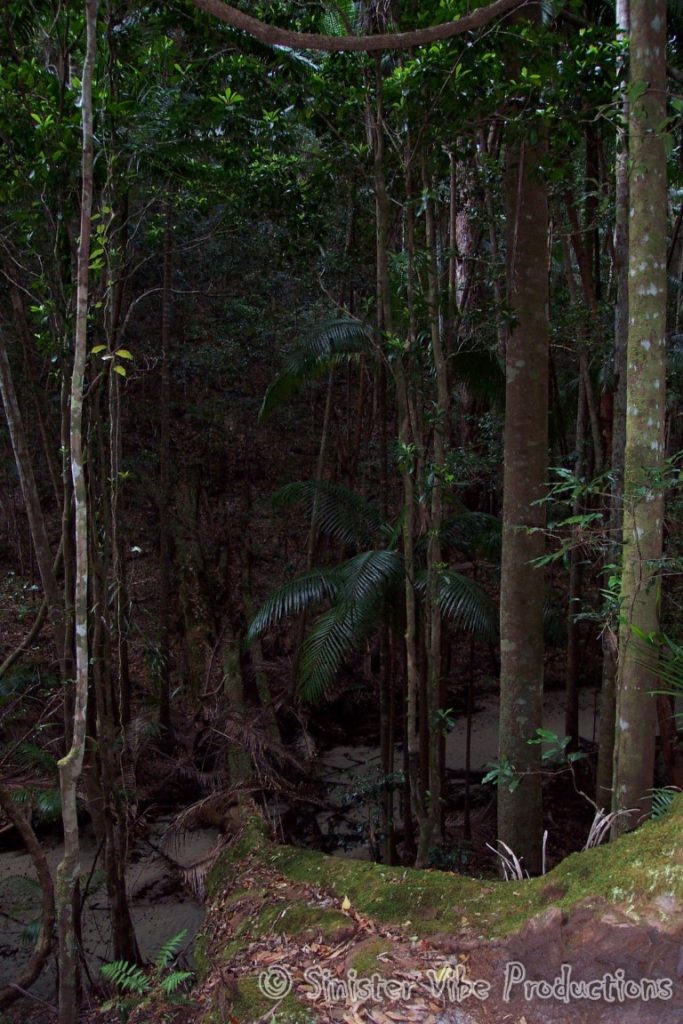
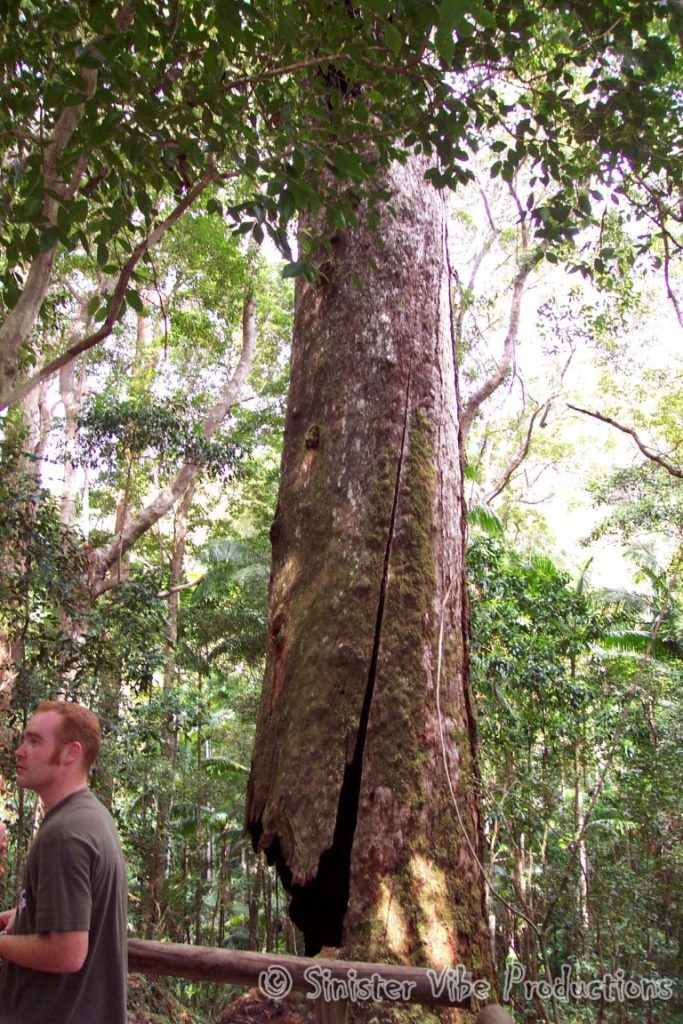
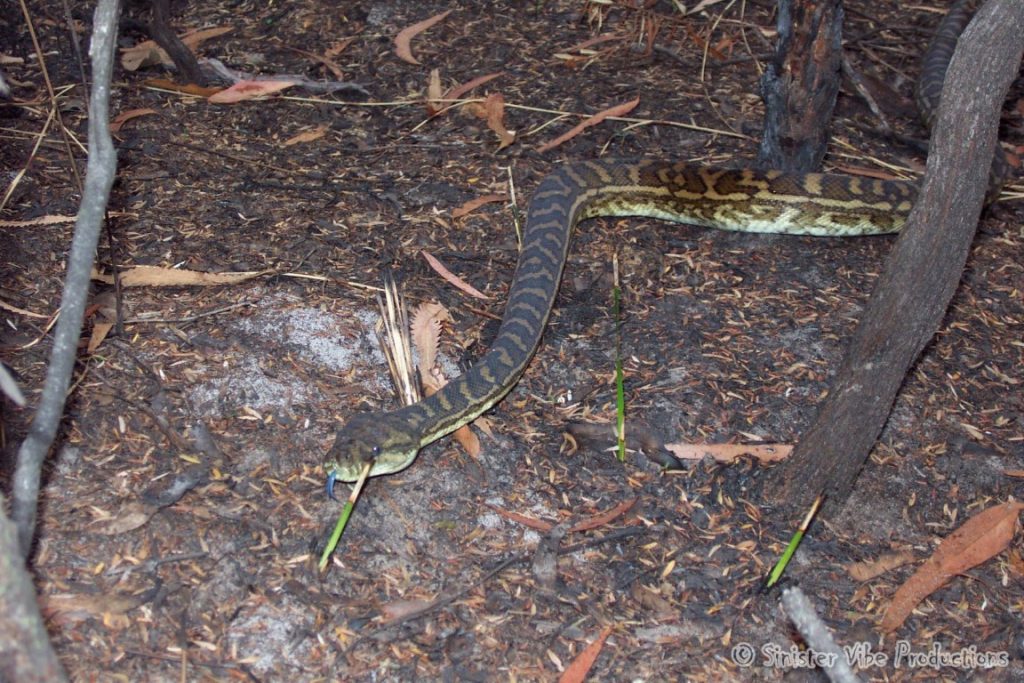
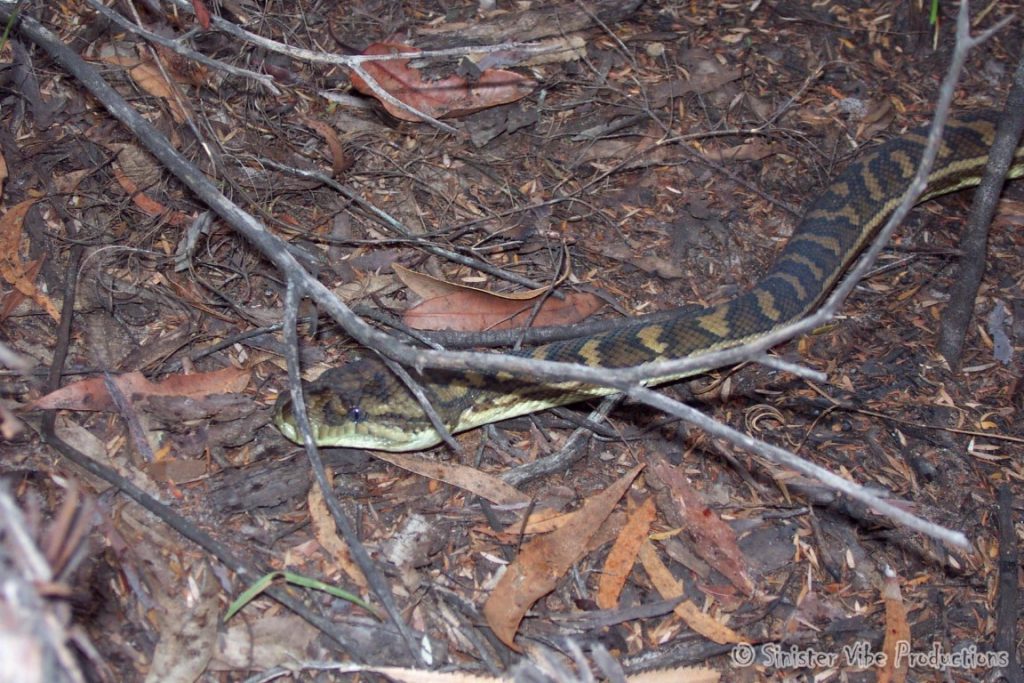
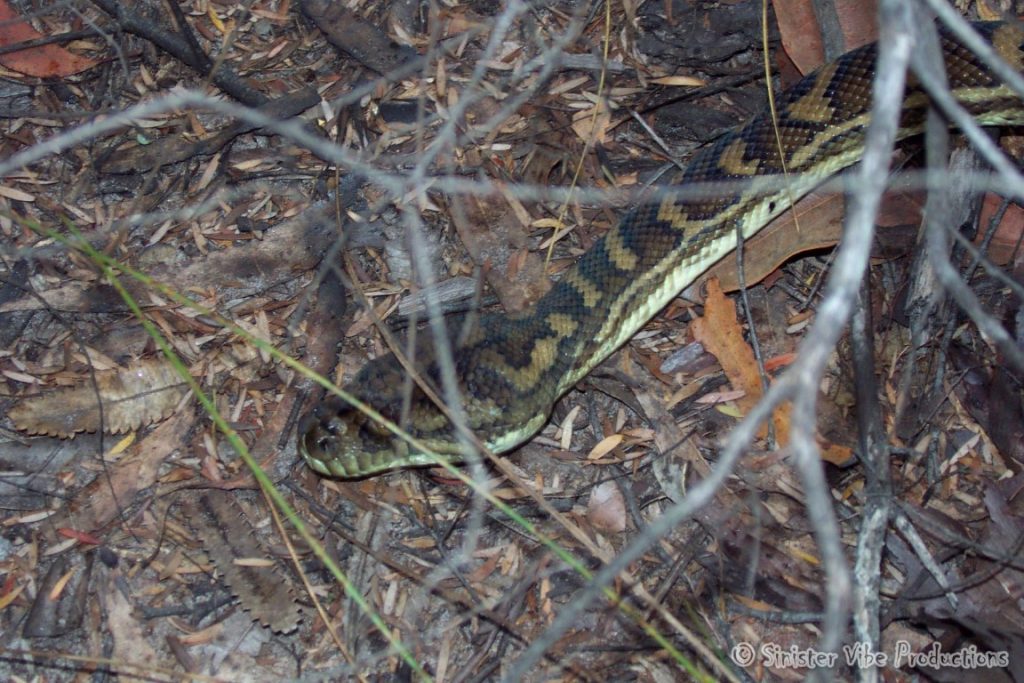
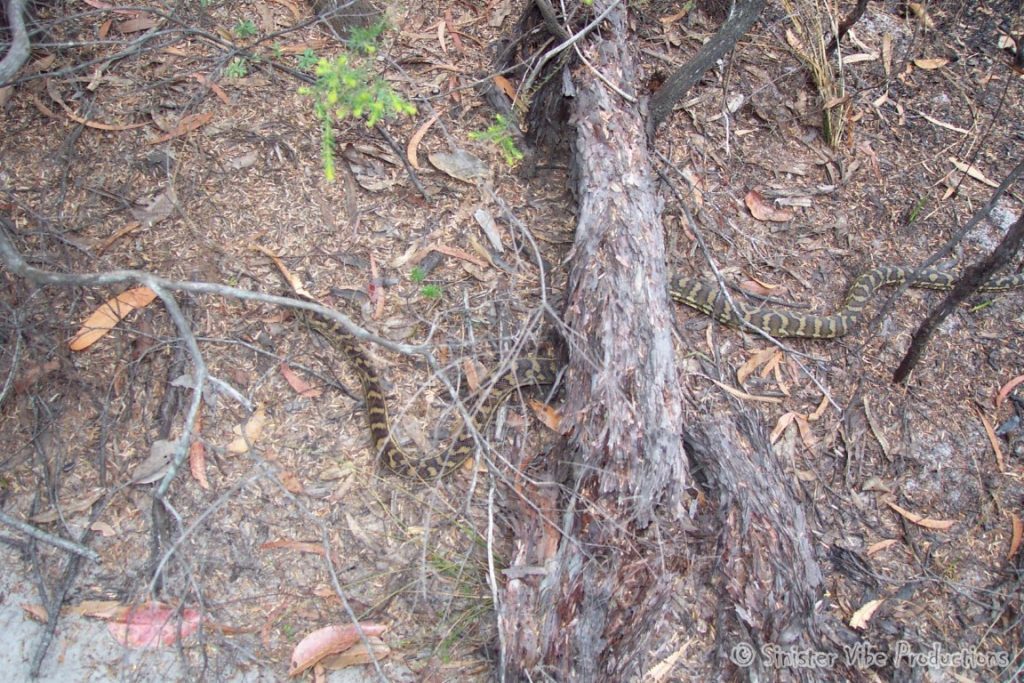
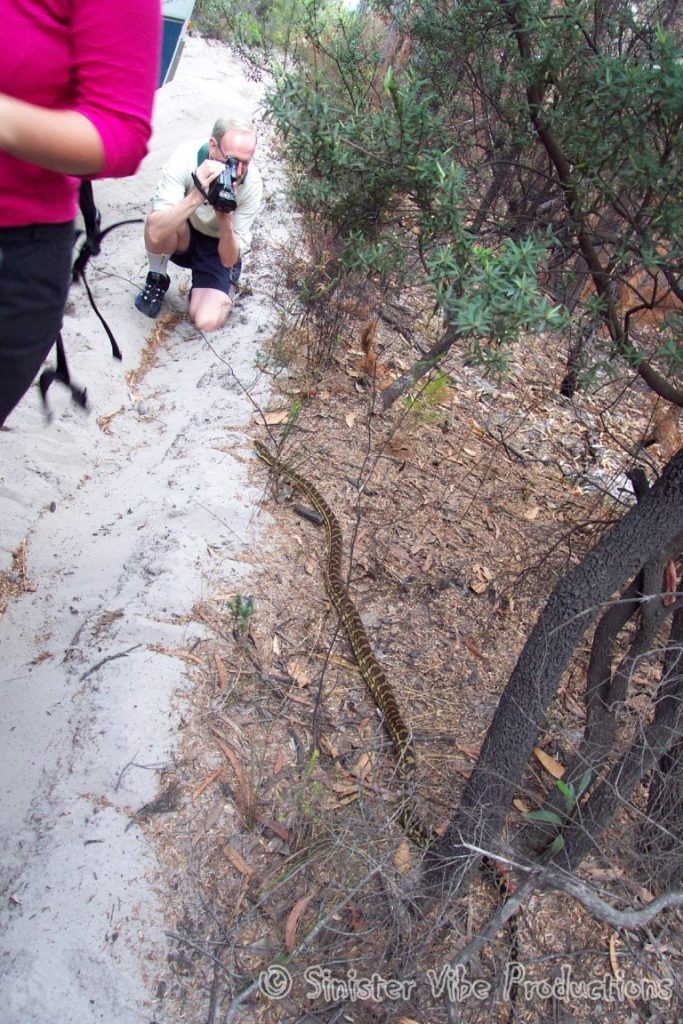
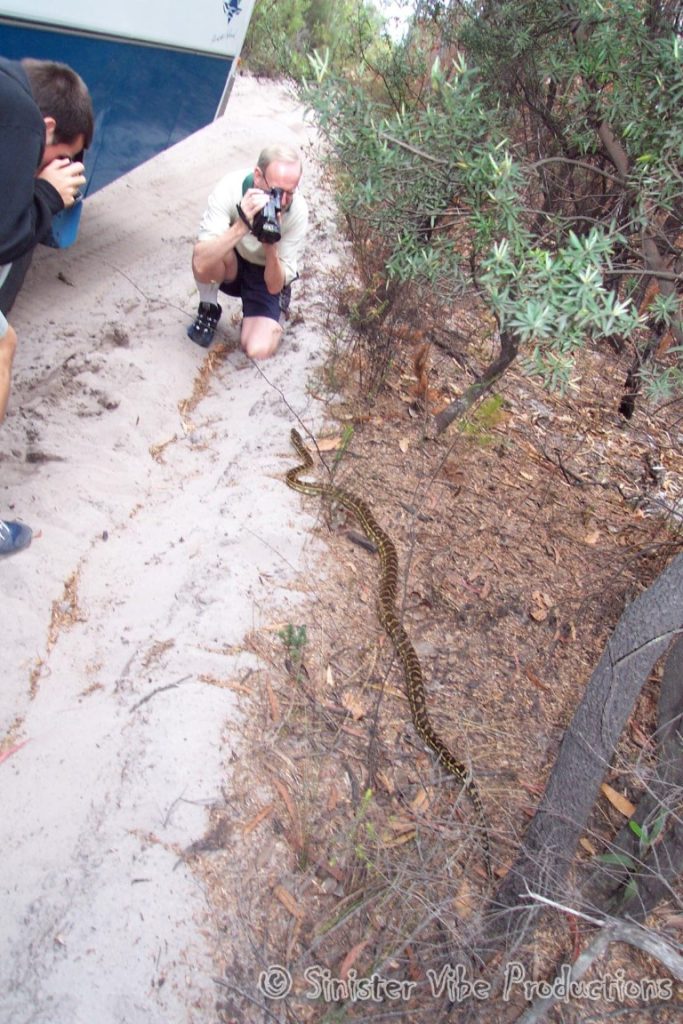
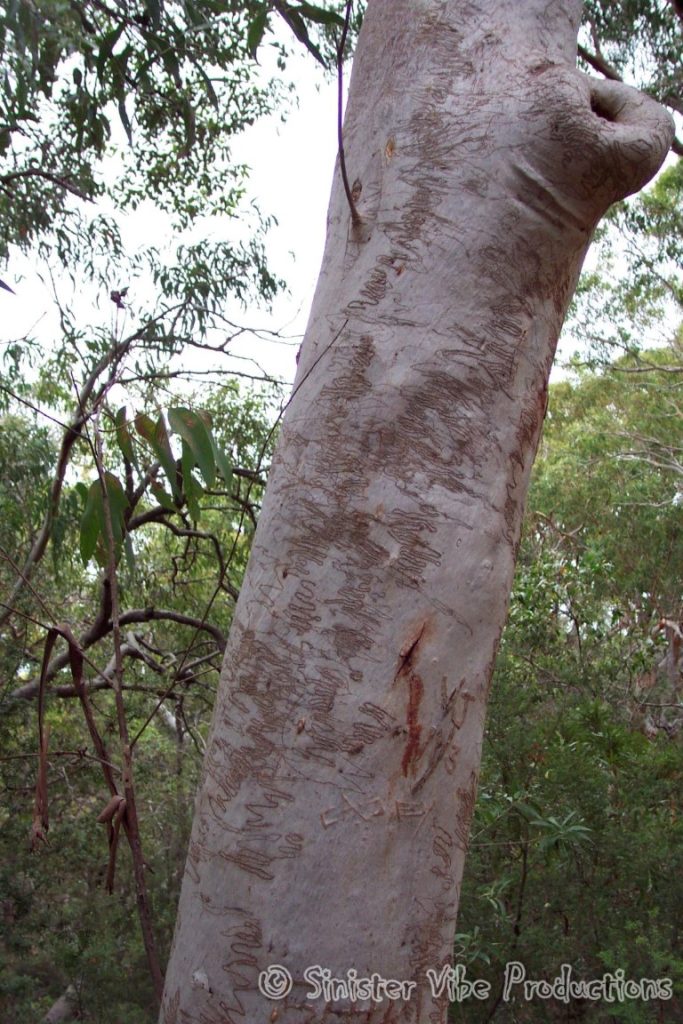
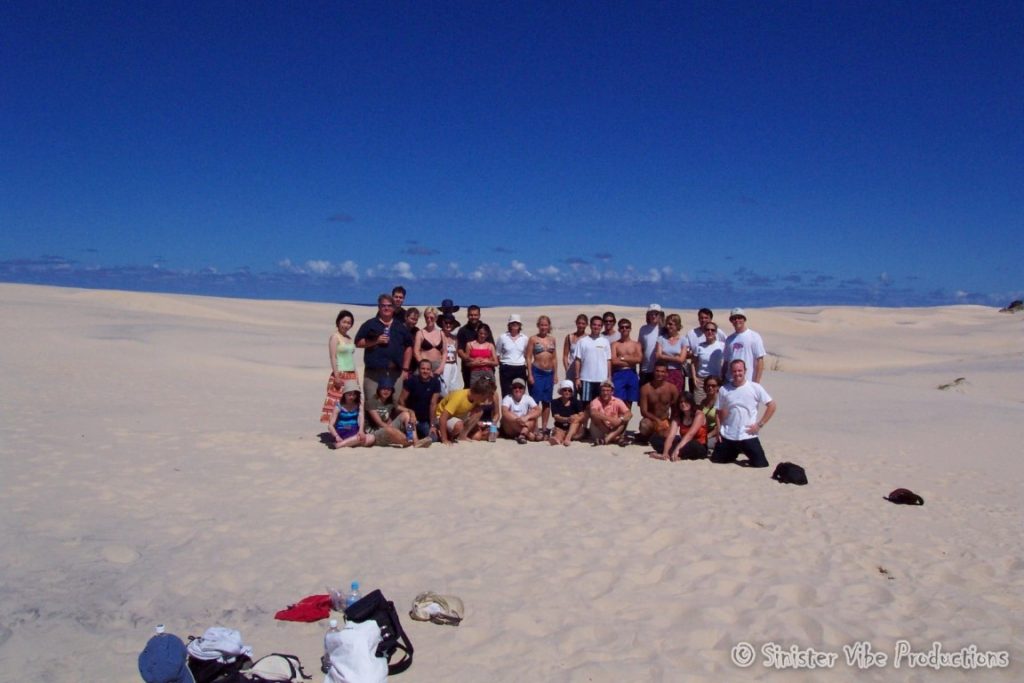
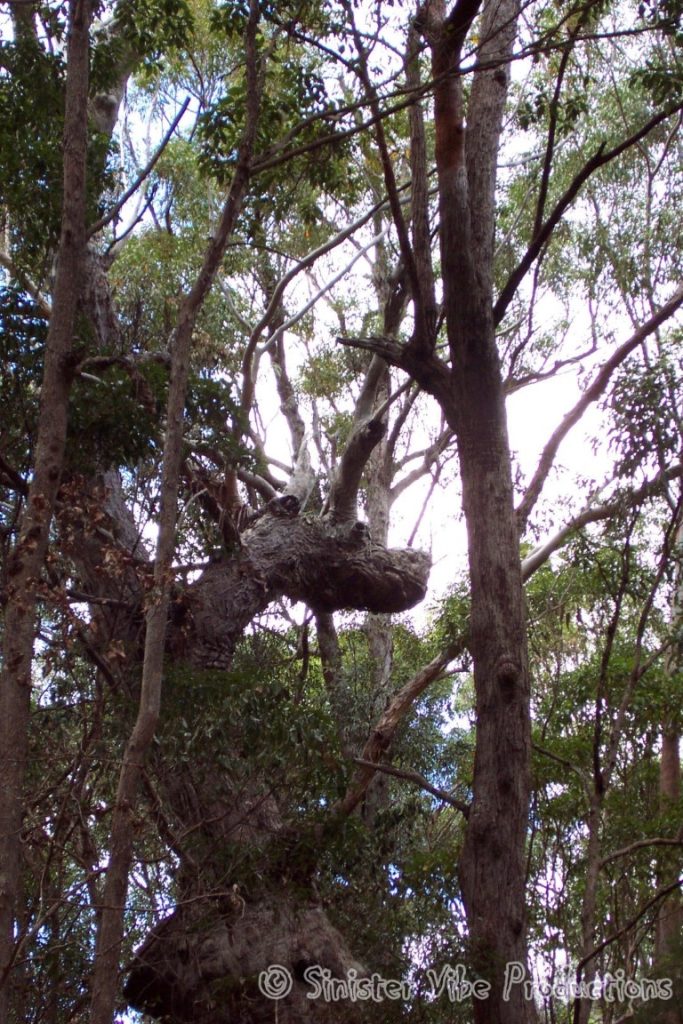
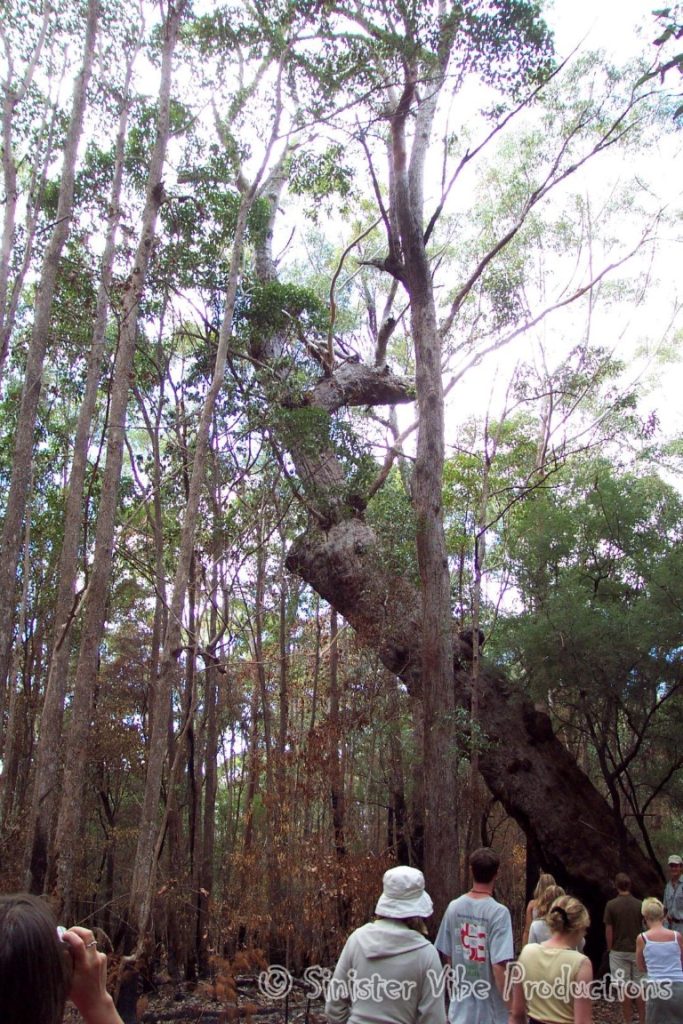
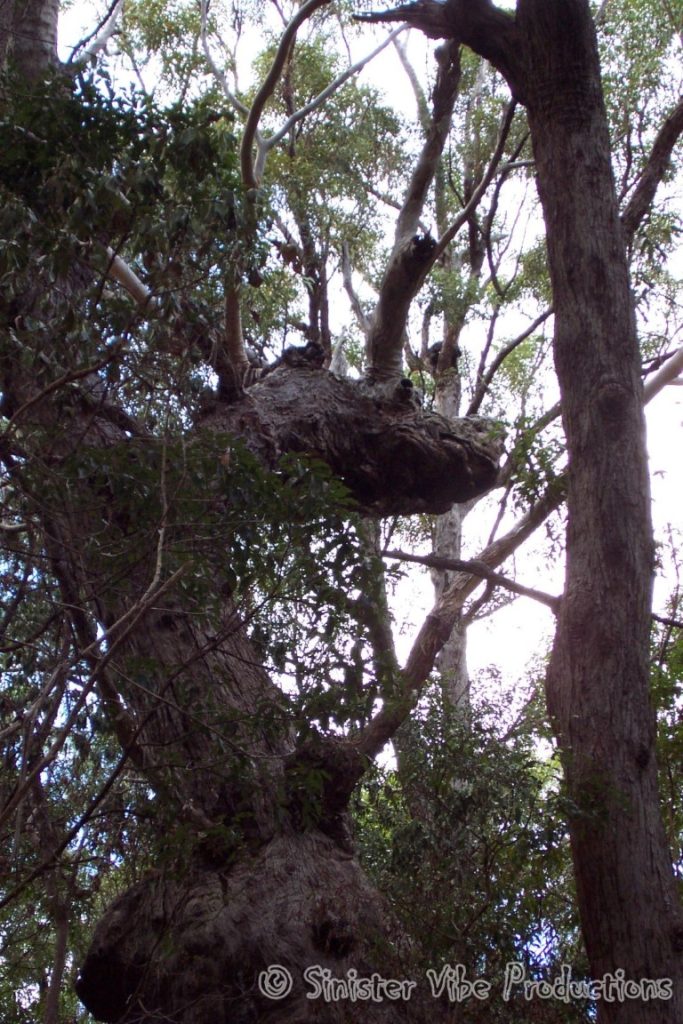
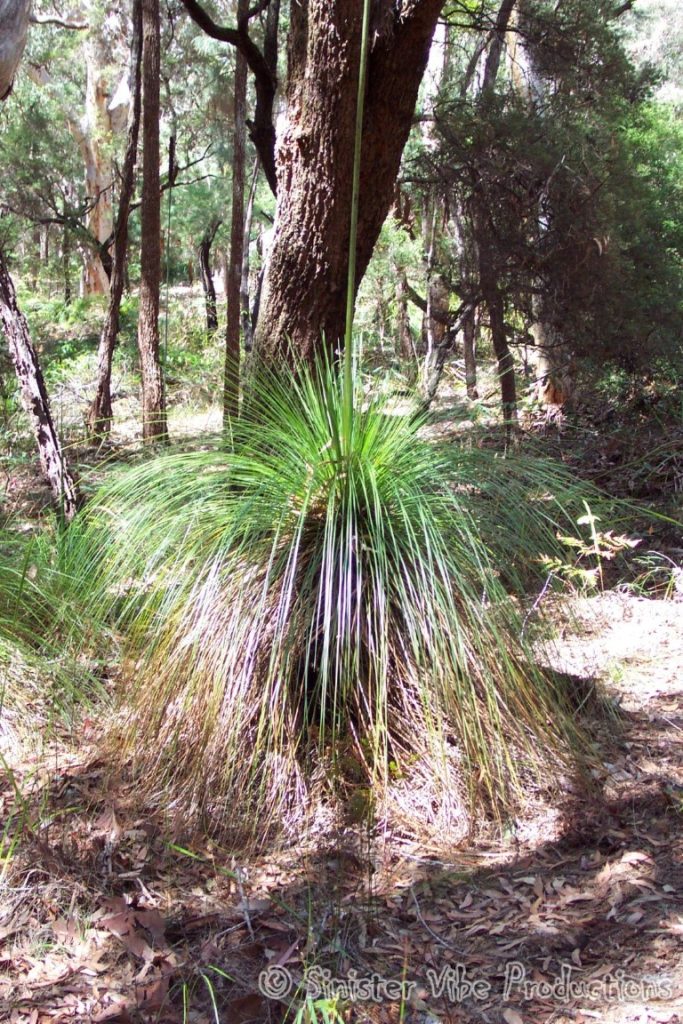
Day one included a hike through Fraser Island’s rainforest. Some of the enormous trees were spectacular, and I also got up close and personal with a carpet python — considerably less alarming than my venomous snake encounter near Mission Beach. We had a wonderfully multinational group of about 25 people: Japanese, British, Scottish, Irish, German, Italian, Dutch and American travellers, along with a couple from Mississauga. I had been travelling for about a month by this point, and these were the first fellow Canadians I’d encountered. Canadians! Finally!
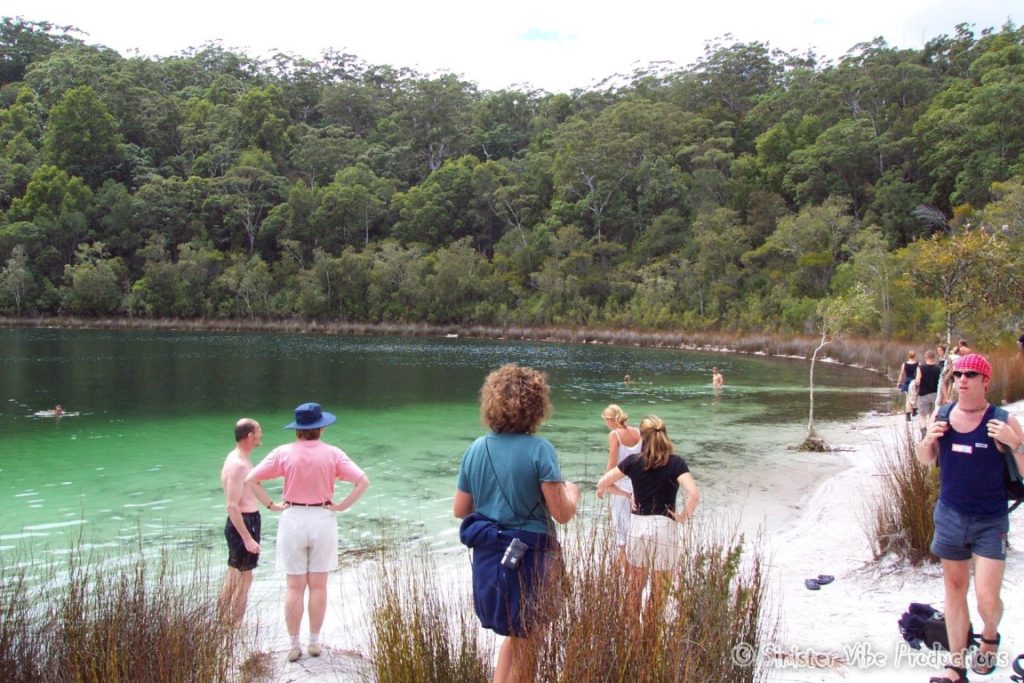
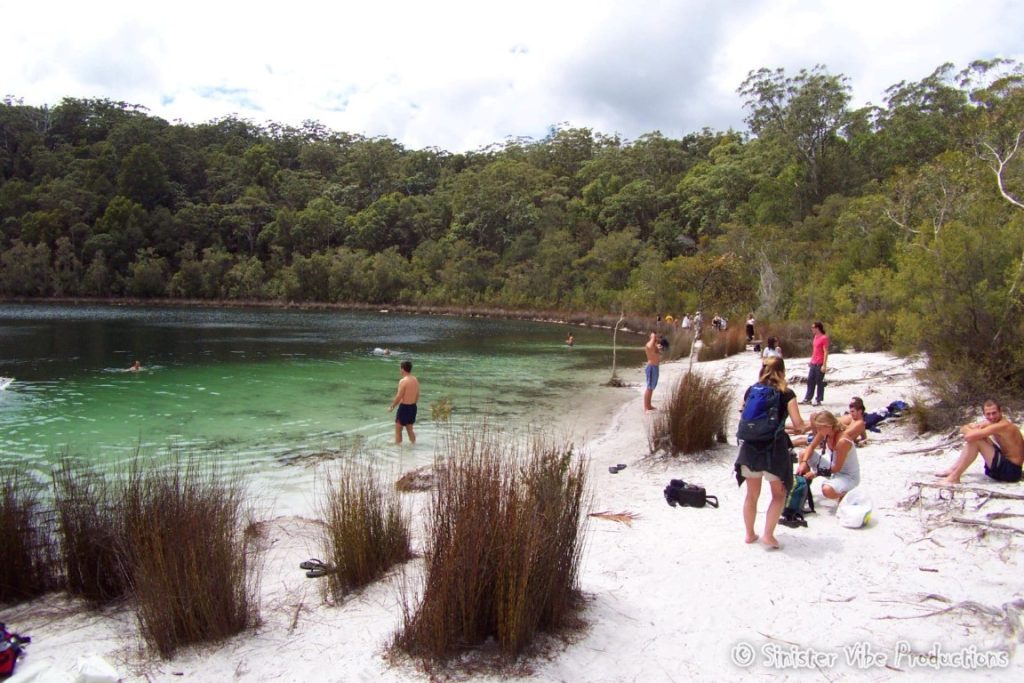
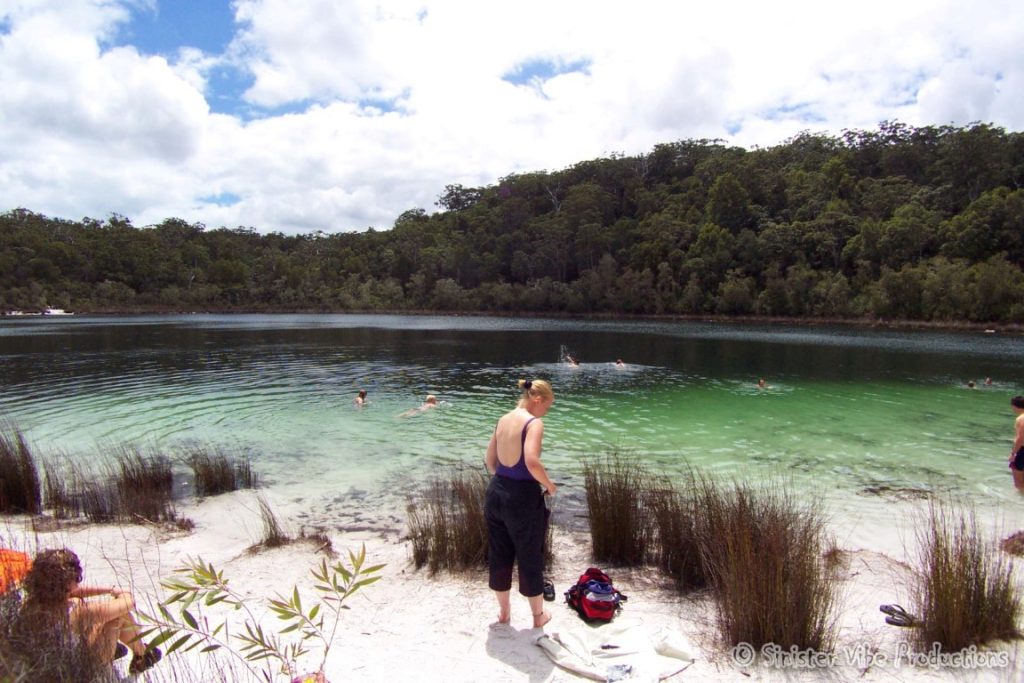
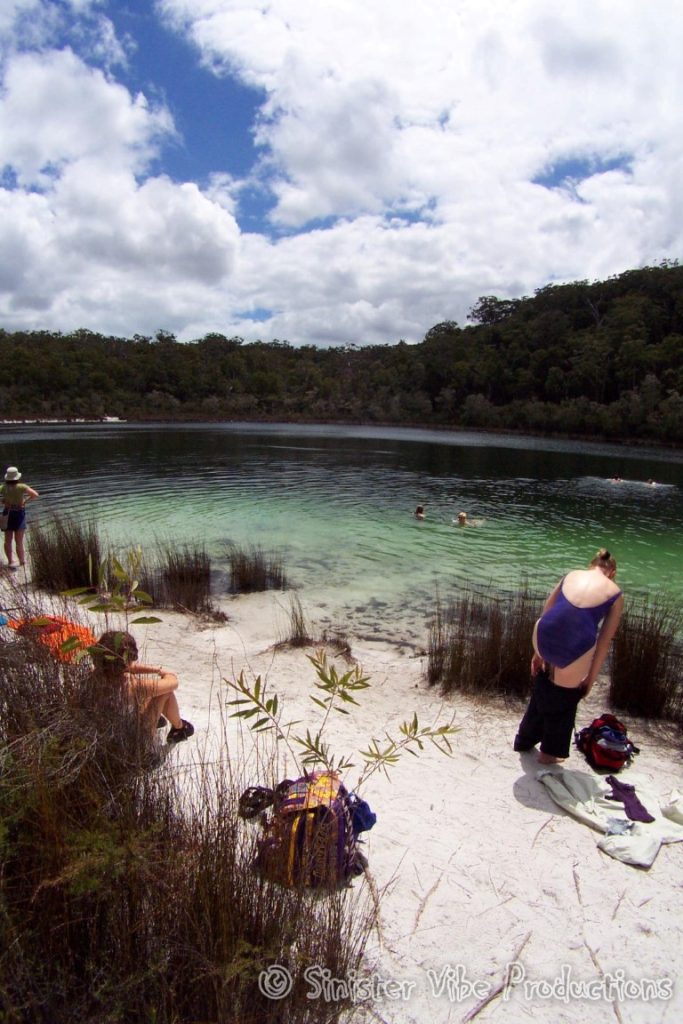
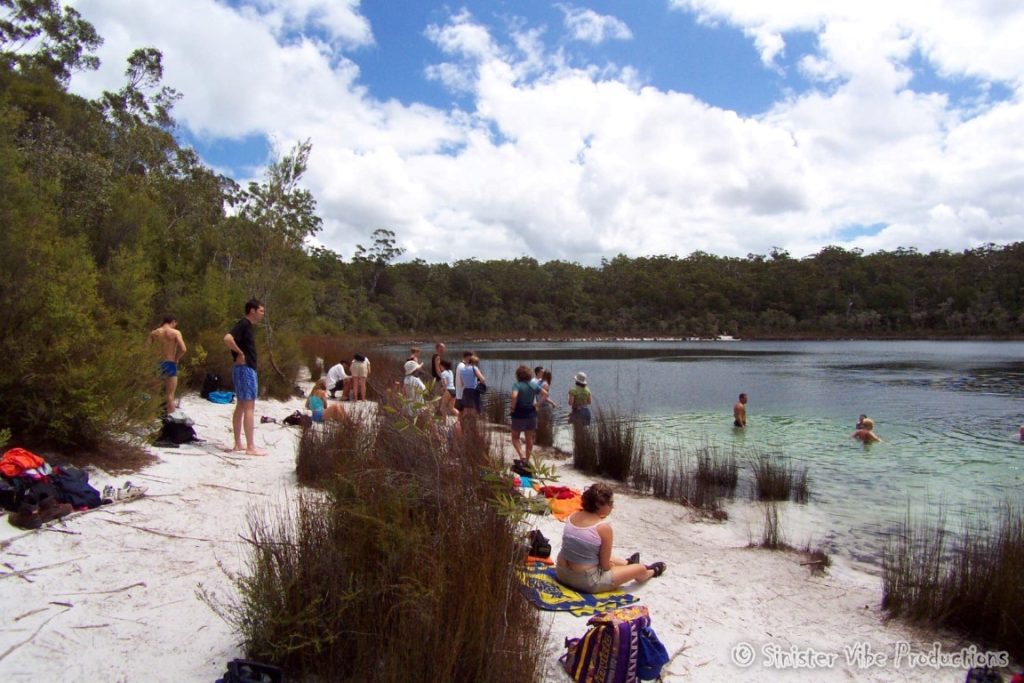
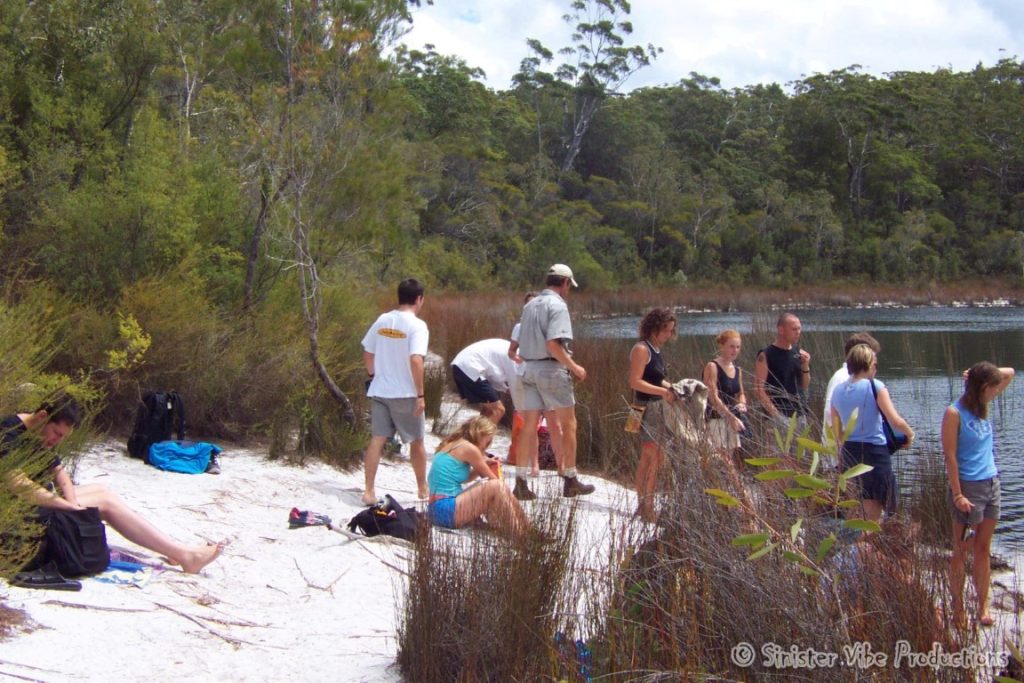
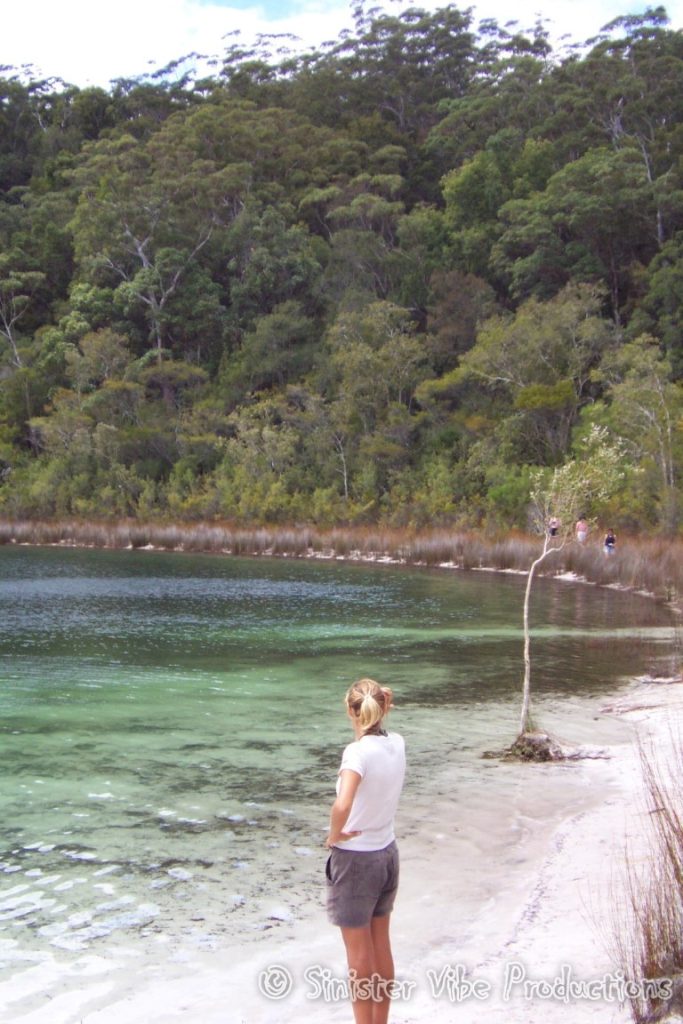
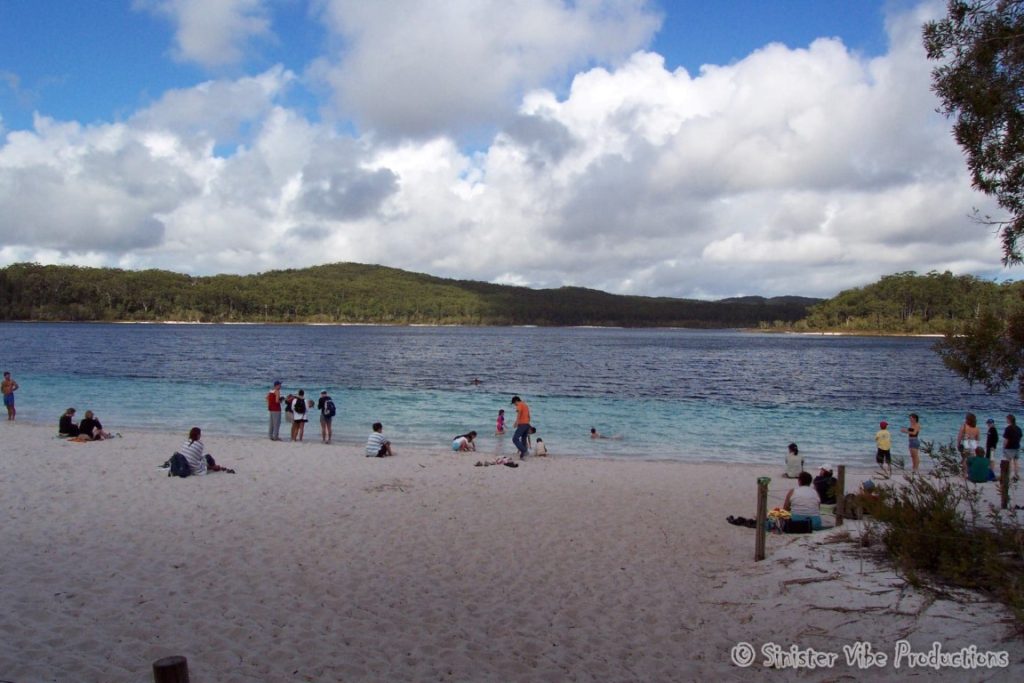
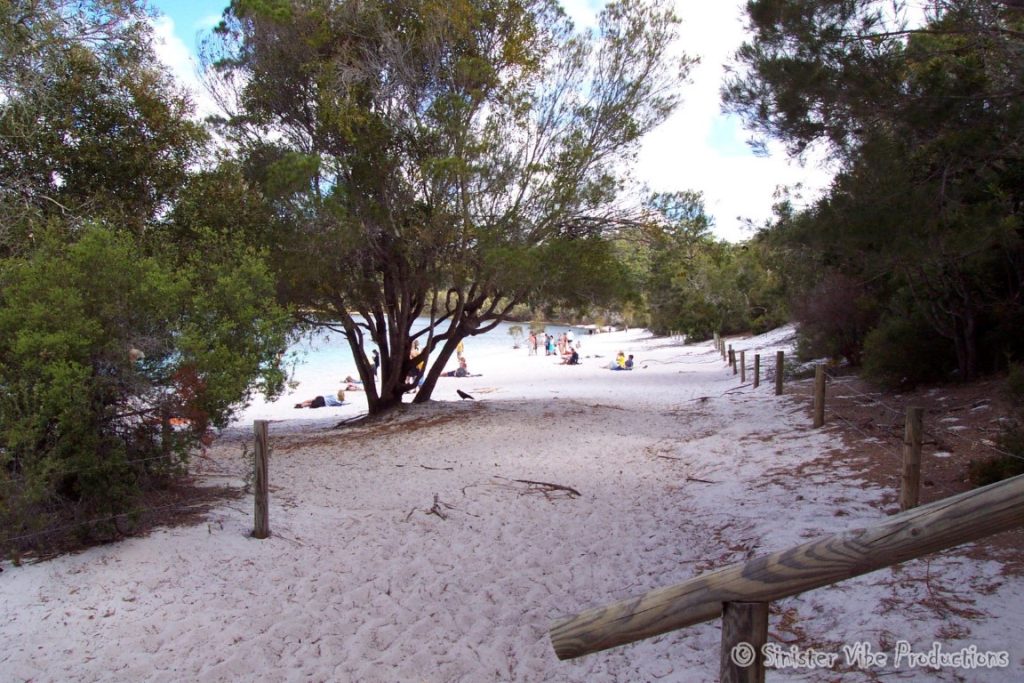
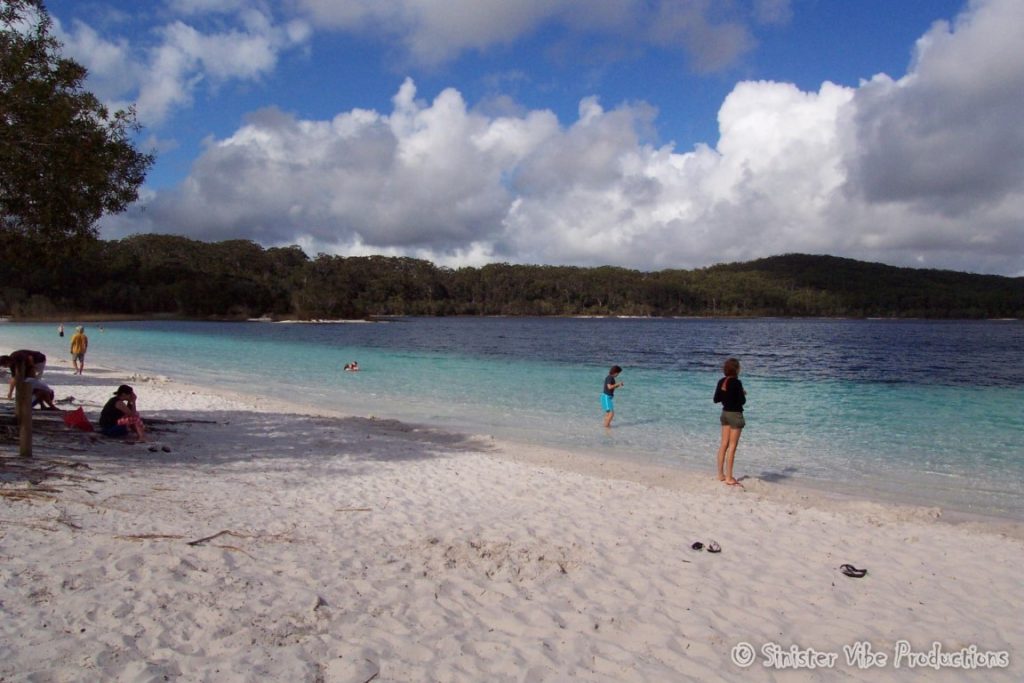
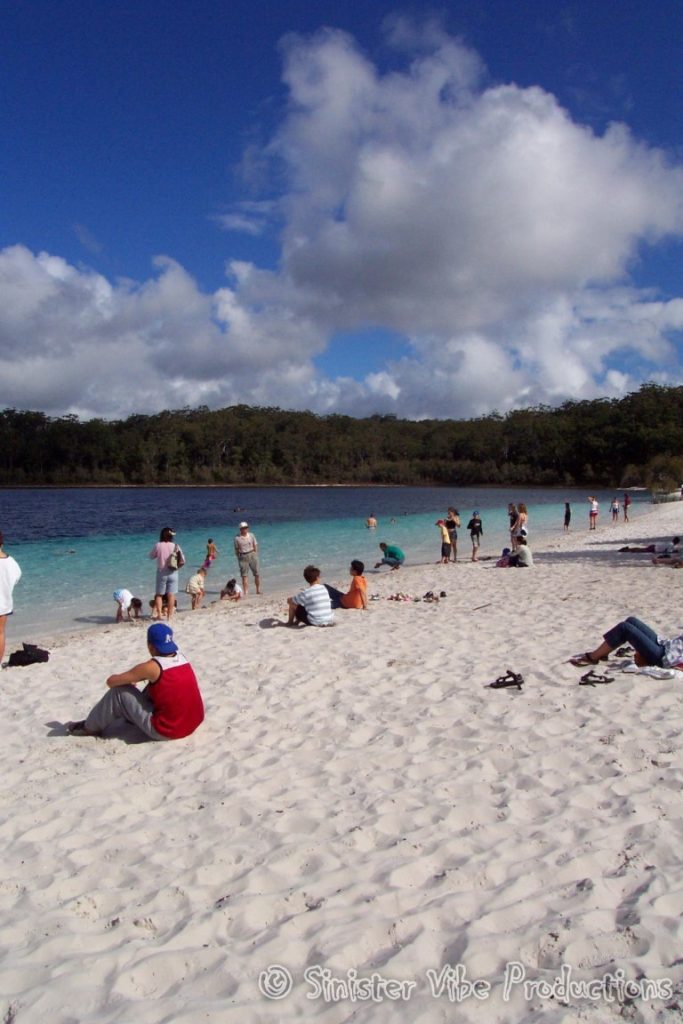
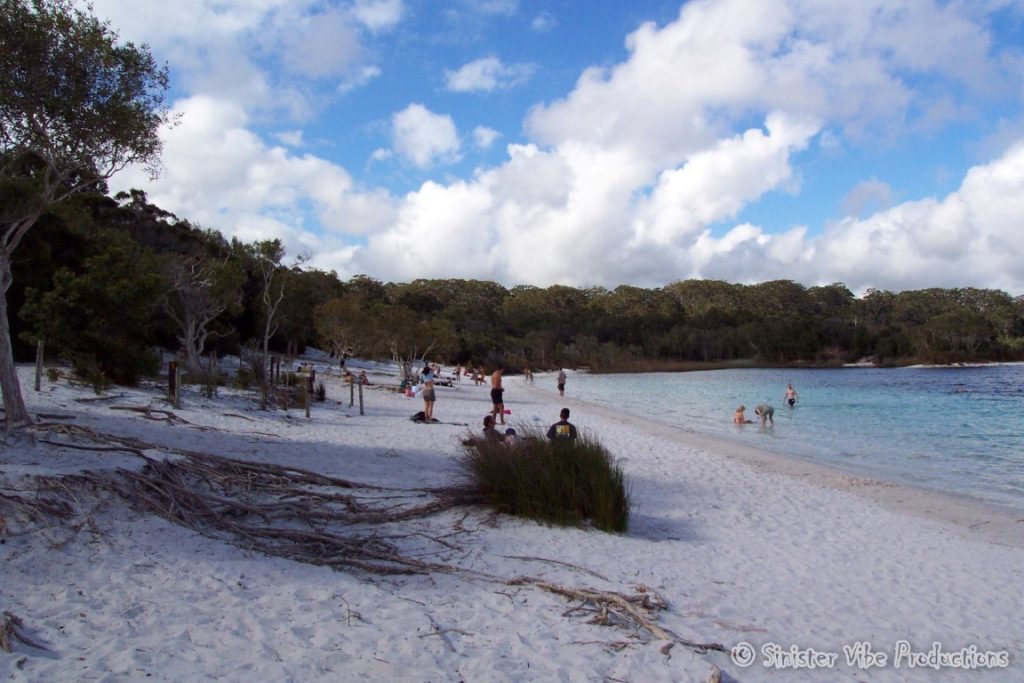
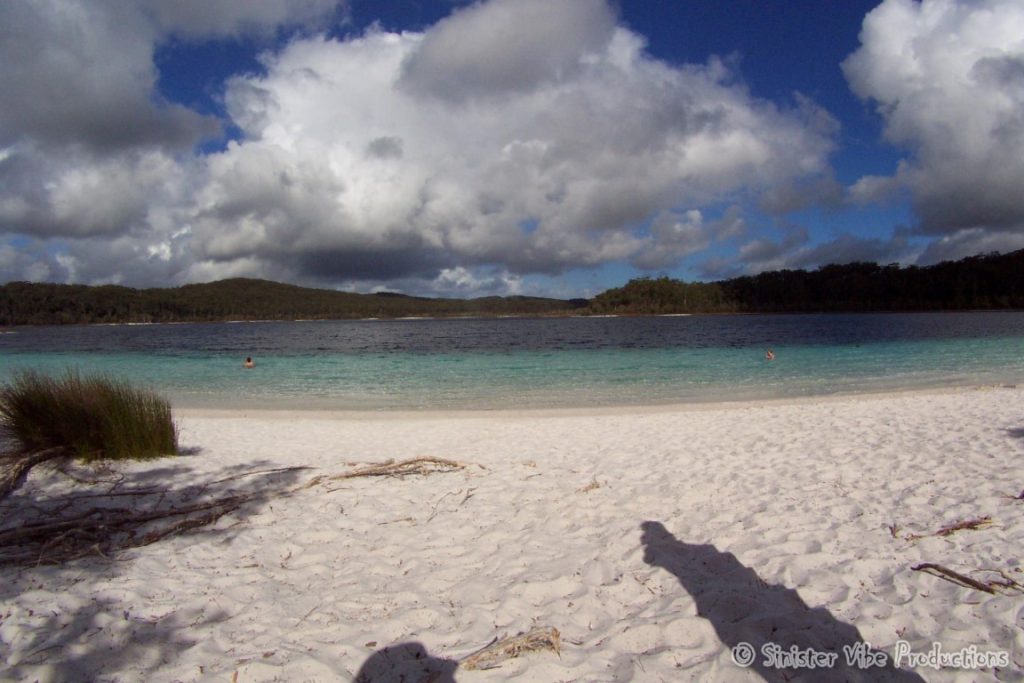
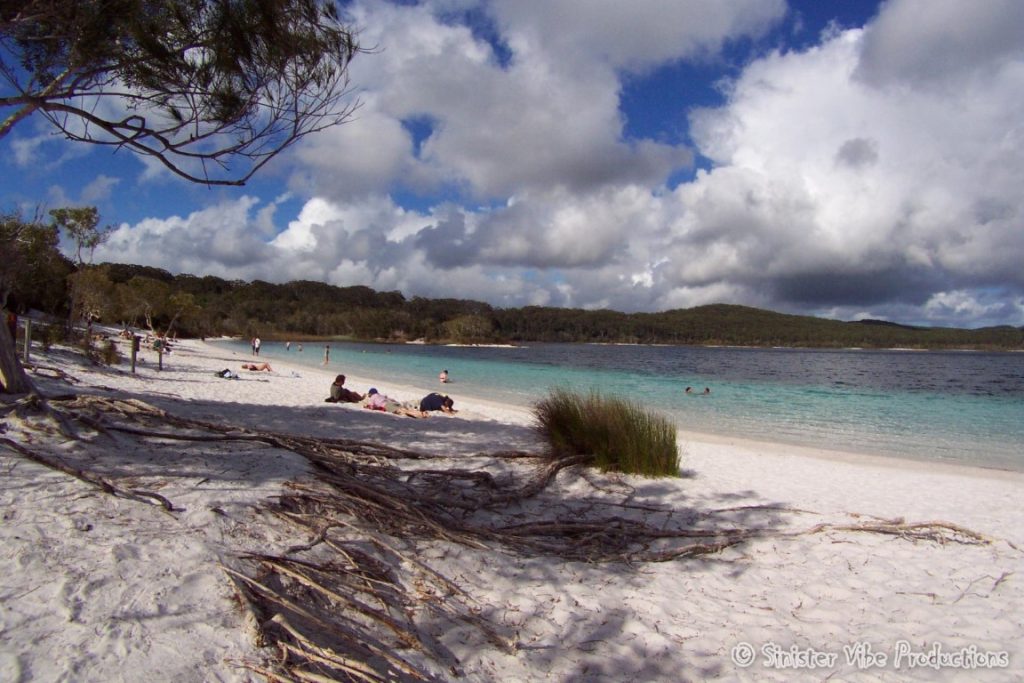
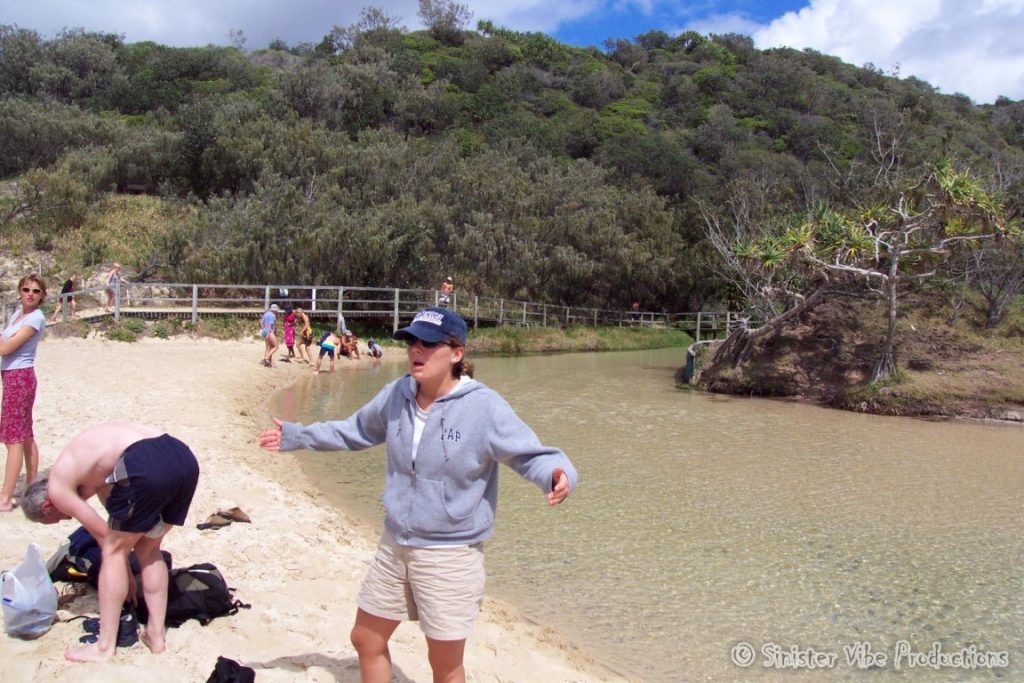
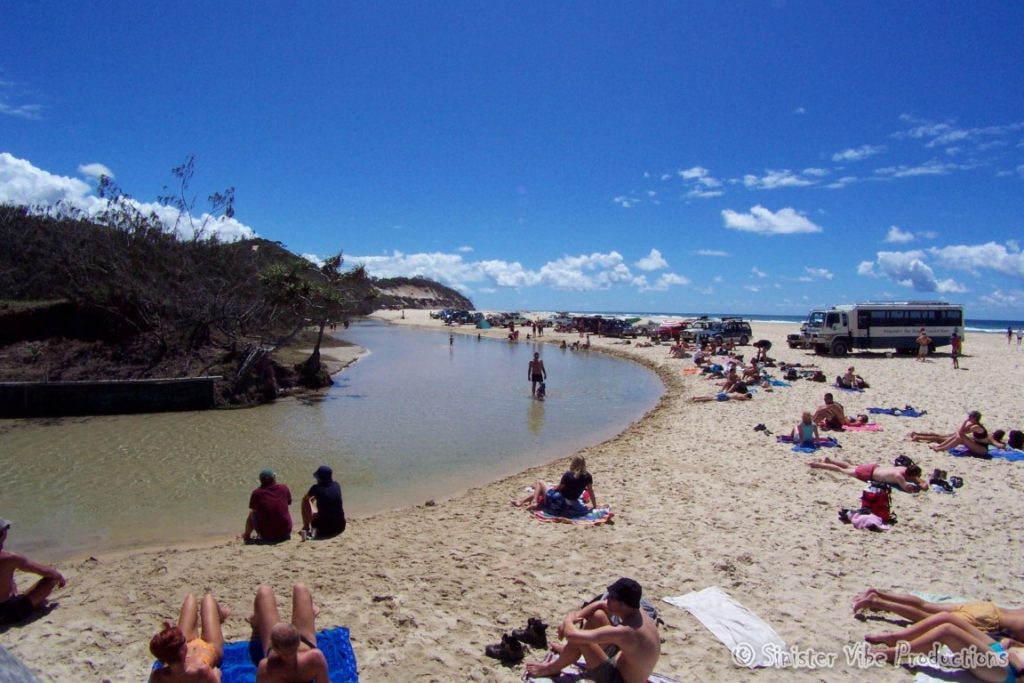
What amazed me most about Fraser Island, even during that first day, was its diversity. After more hiking and bouncing around in the big sand bus, we arrived at Lake McKenzie — now also known by its traditional Butchulla name, Boorangoora. Here was an extraordinarily clear freshwater lake sitting on an island made almost entirely of sand, surrounded by the Pacific Ocean. Kind of mind-blowing, eh? Ranger Peter kept the entire group belly-laughing with his sharp Aussie wit, and I’ll never forget climbing into the big sand bus at the beginning of the adventure and hearing Wagner’s Ride of the Valkyries blasting from the speakers. Very fitting music indeed.
“It’s a beautiful day.”
— U2
Like everything else on this trip, each day somehow seemed more wonderful than the one before it. Fraser Island elevated that feeling to an entirely new level. Our accommodations were hostel-style lodges that reminded me a little of summer camp. Breakfast and dinner were pretty mean buffets, while lunch was packed for us because our days were spent exploring the island.
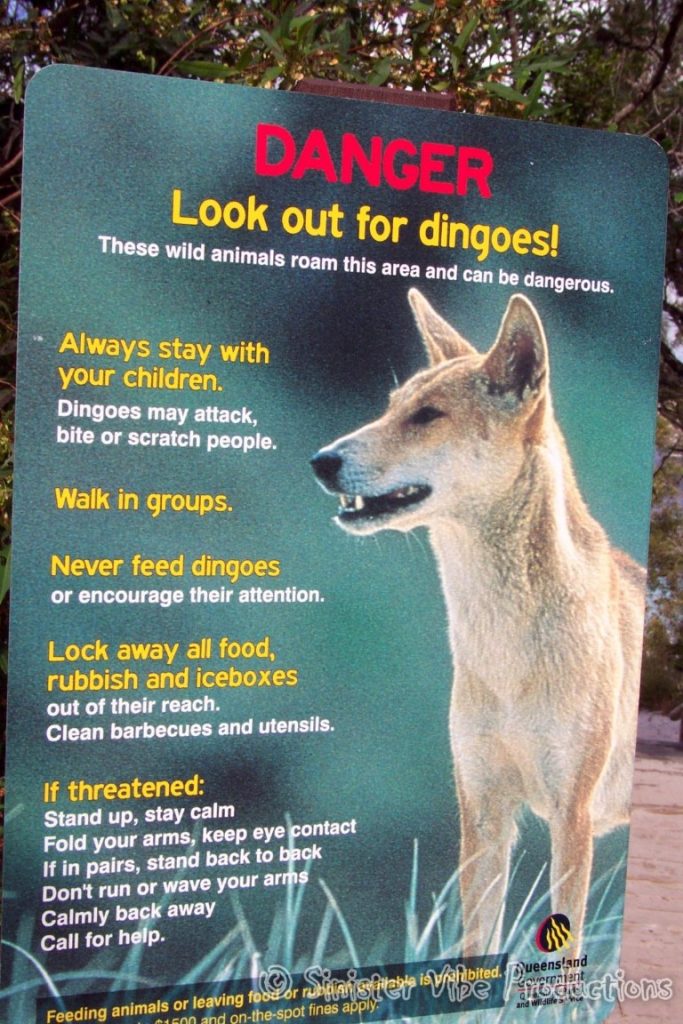
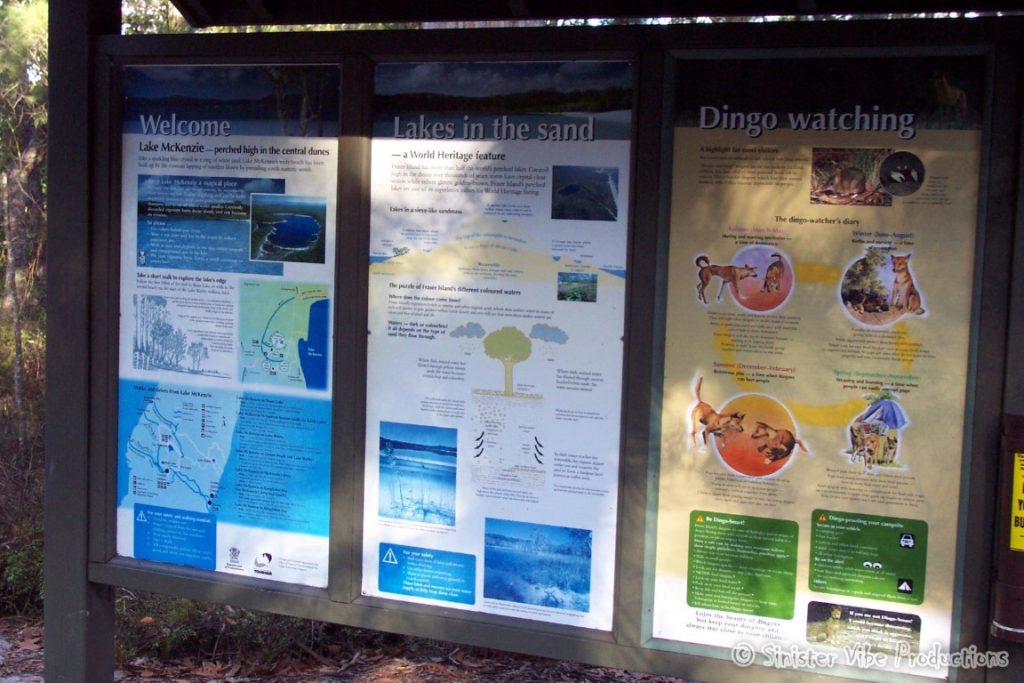
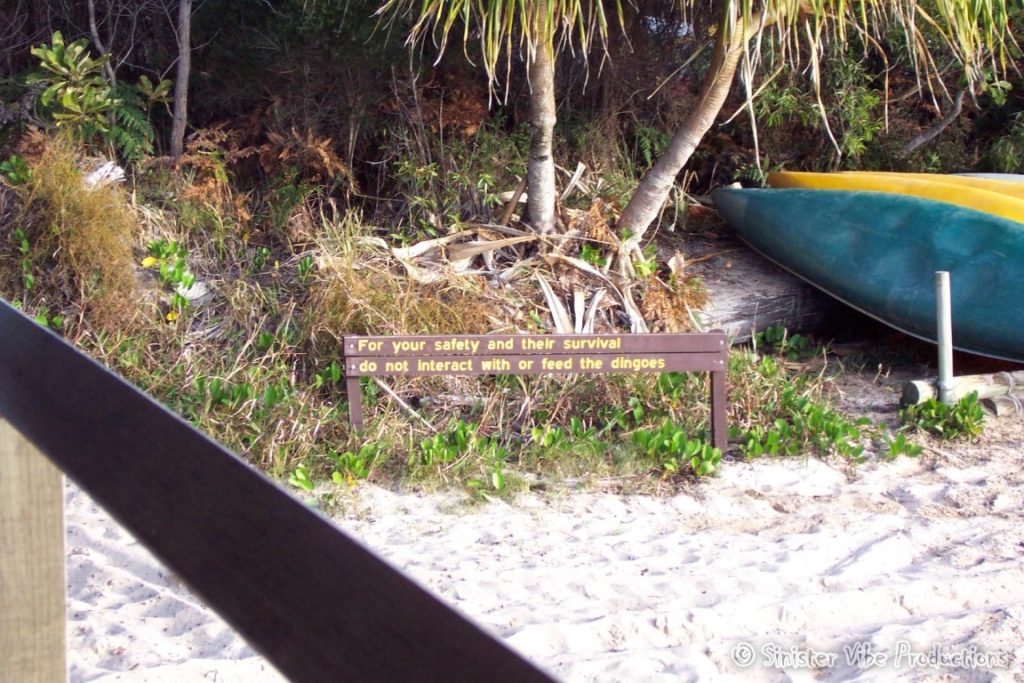
On my way to breakfast the second morning, I saw my first — but definitely not my last — Fraser Island dingo. It ran directly in front of me. I scrambled for my camera, but naturally, by the time I got it out, the dingo had disappeared. I had already read about the dangers of interactions between people and dingoes on Fraser Island, so I treated them with considerable respect whenever I encountered one. Human interaction had become a serious issue, and feeding dingoes or leaving food and rubbish accessible can encourage them to associate people with food and alter their natural behaviour. The rules were simple: don’t feed them, don’t approach them, don’t leave food or rubbish around, and don’t run if one approaches.
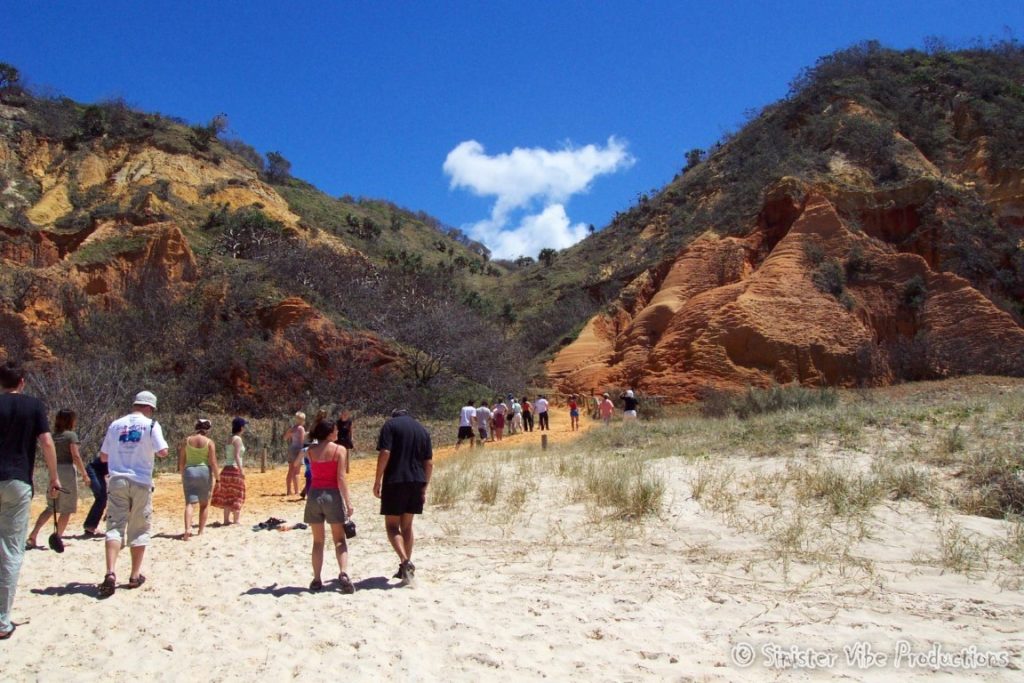
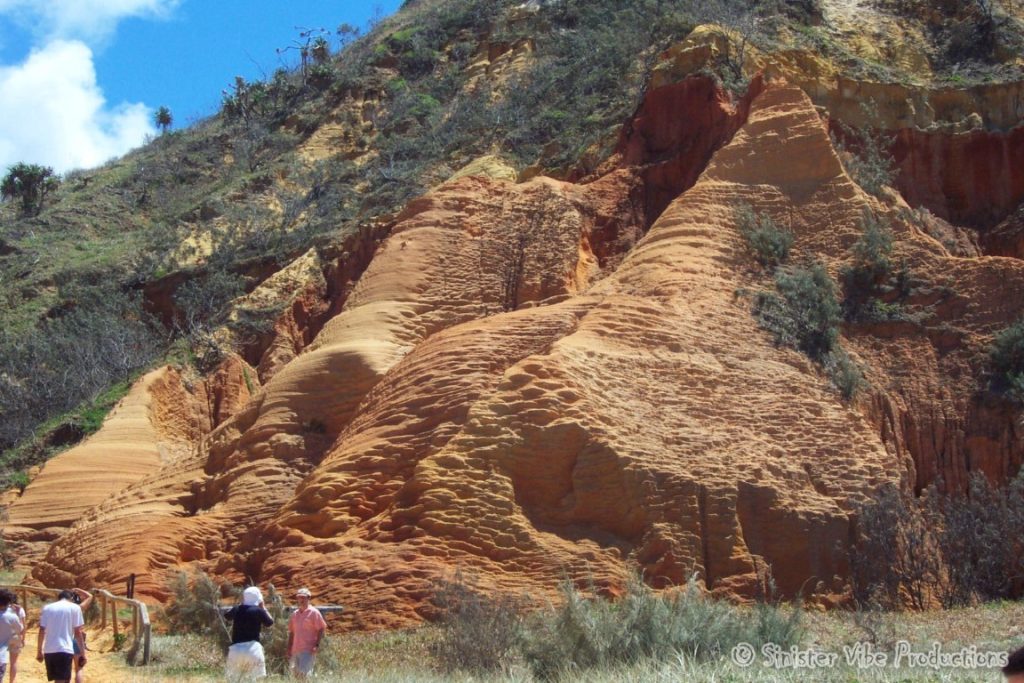
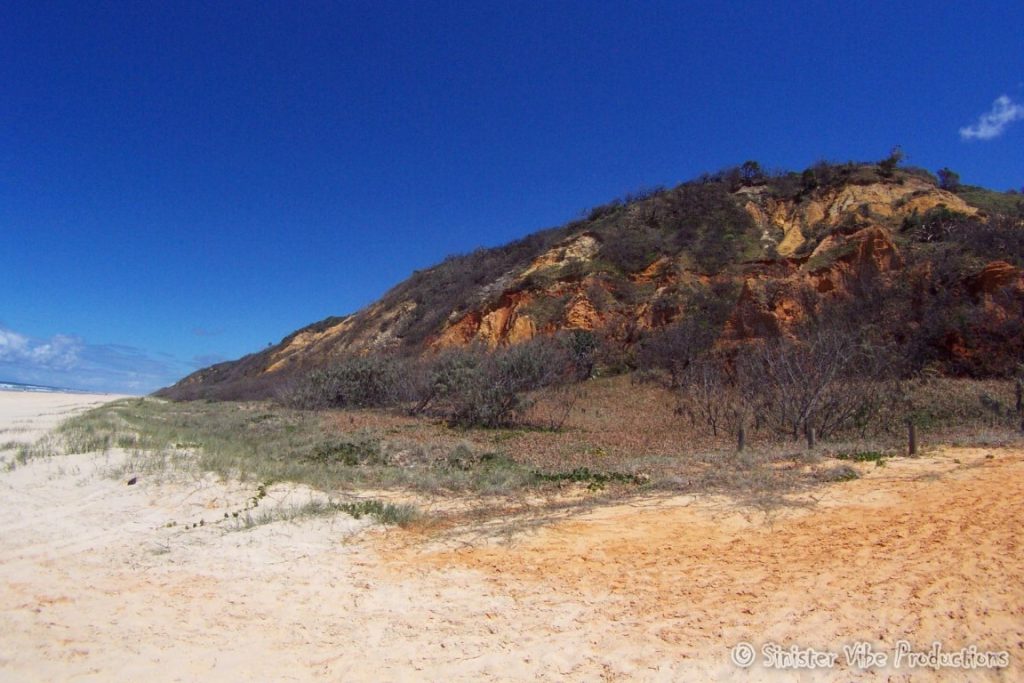
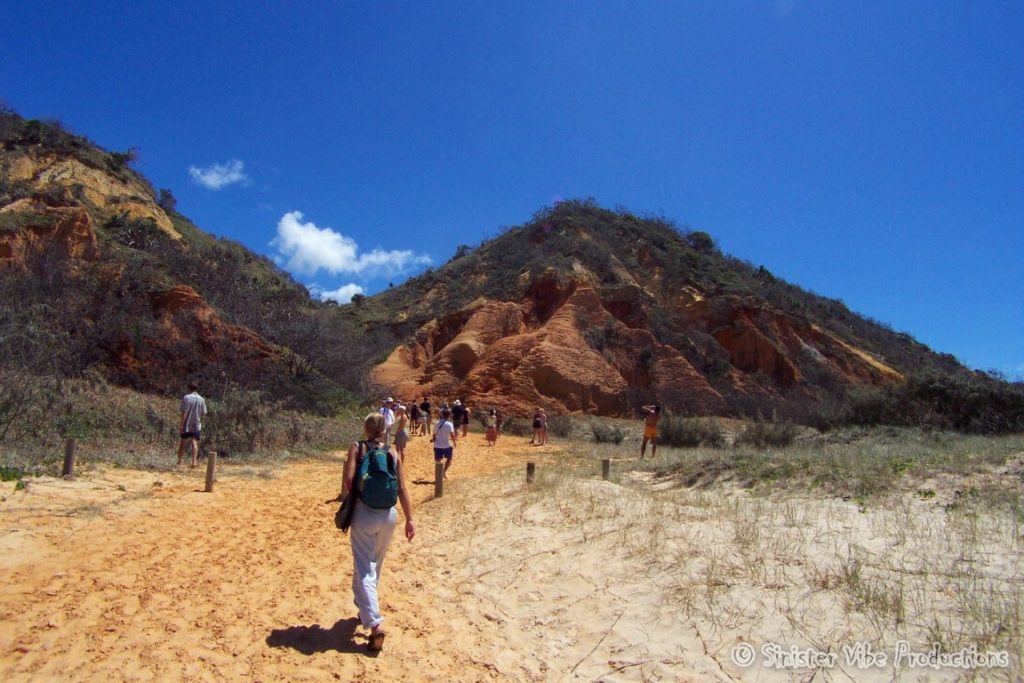
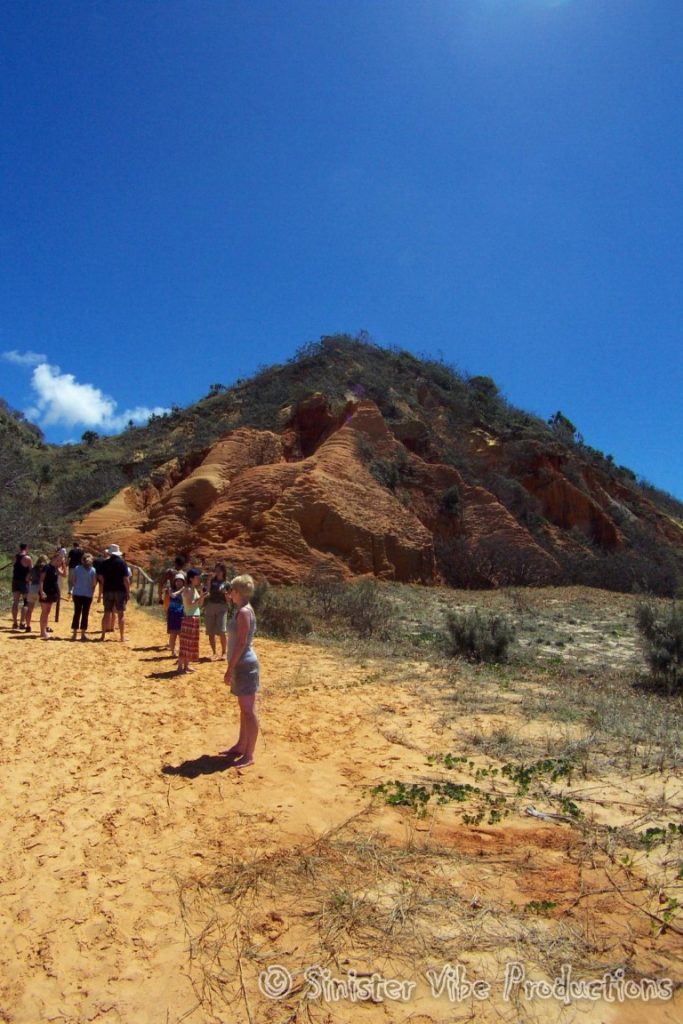
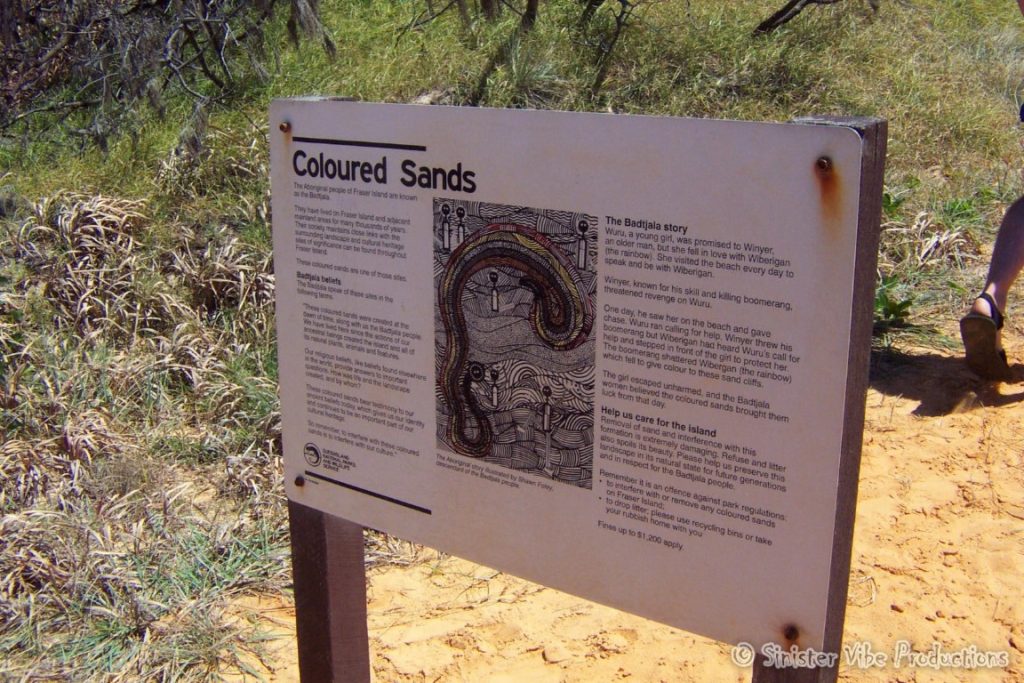
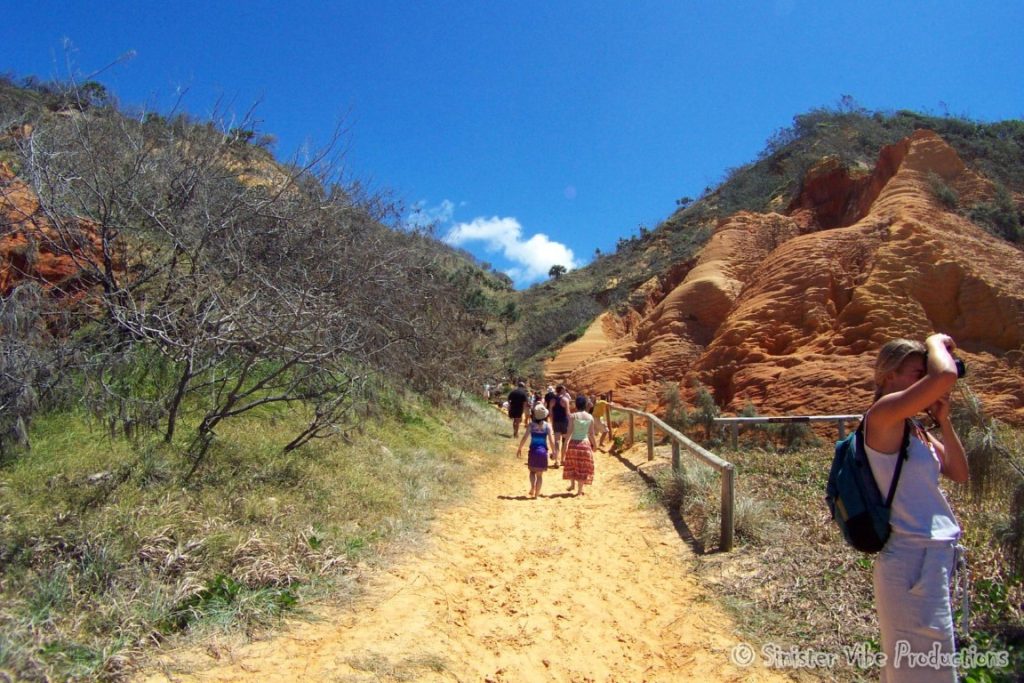
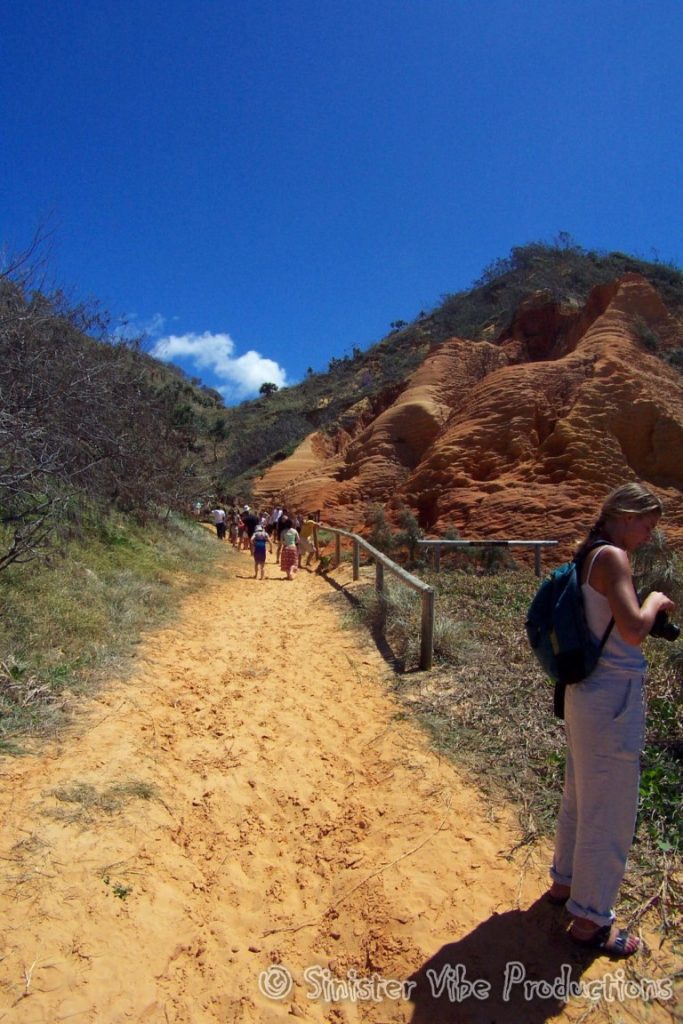
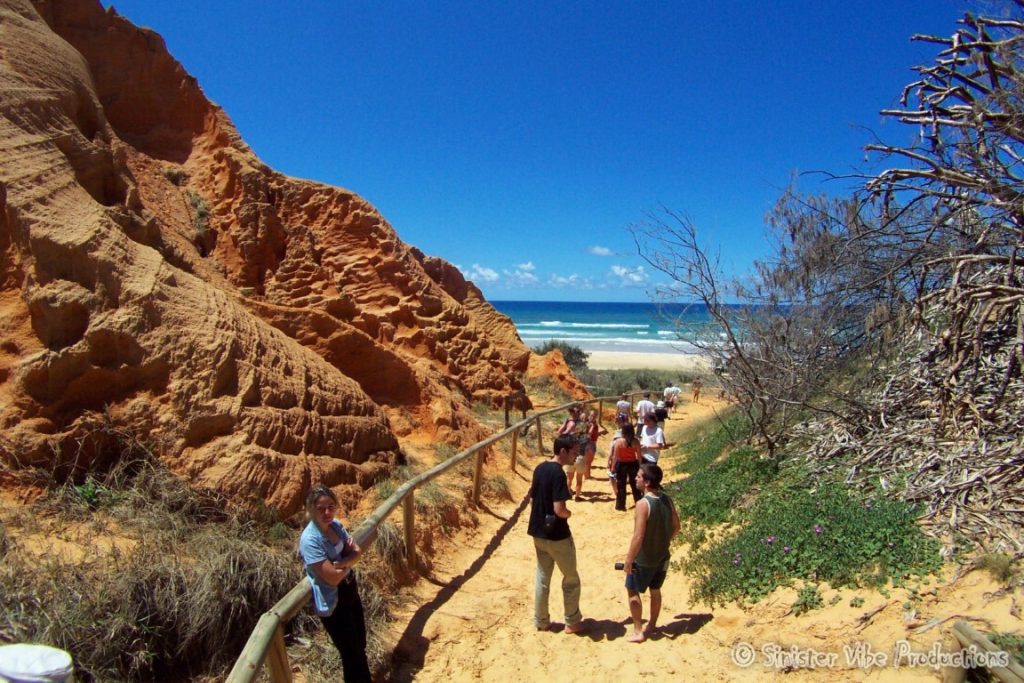
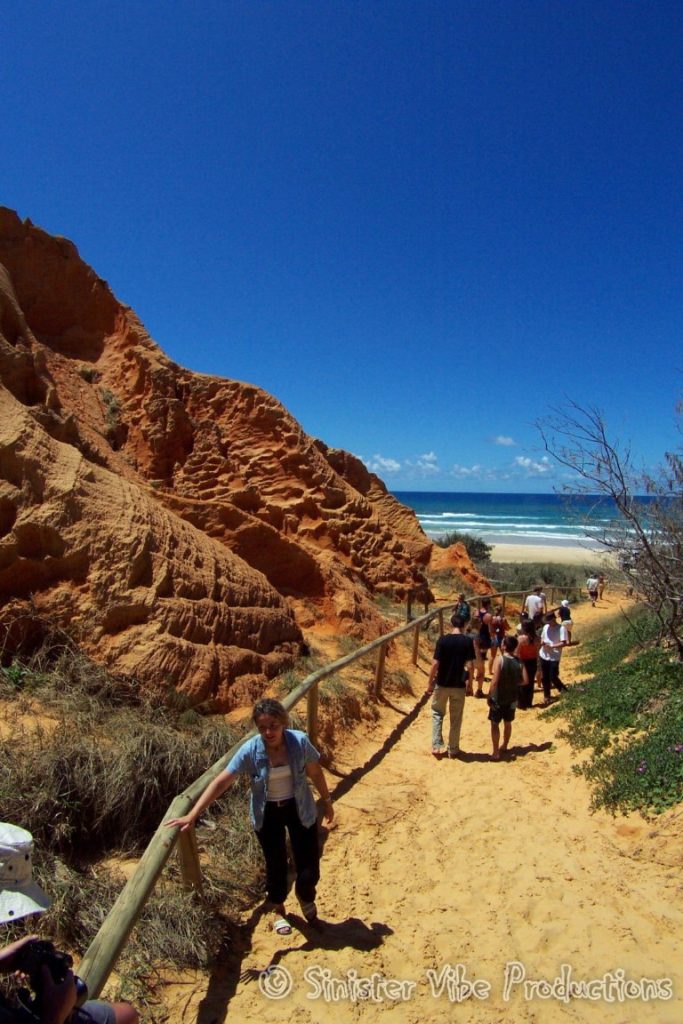
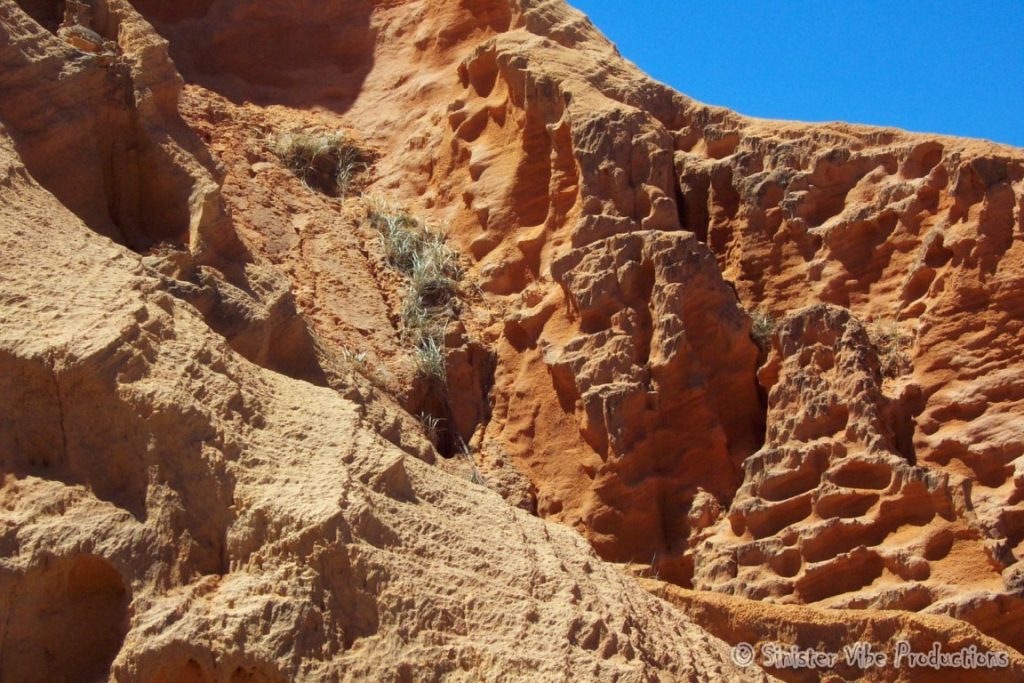
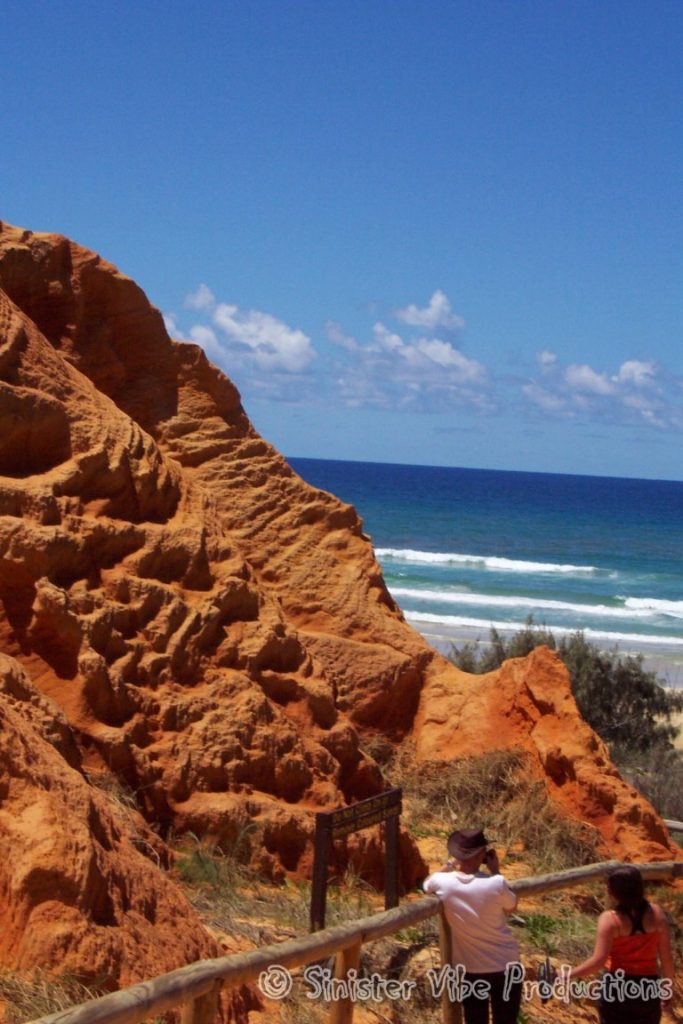
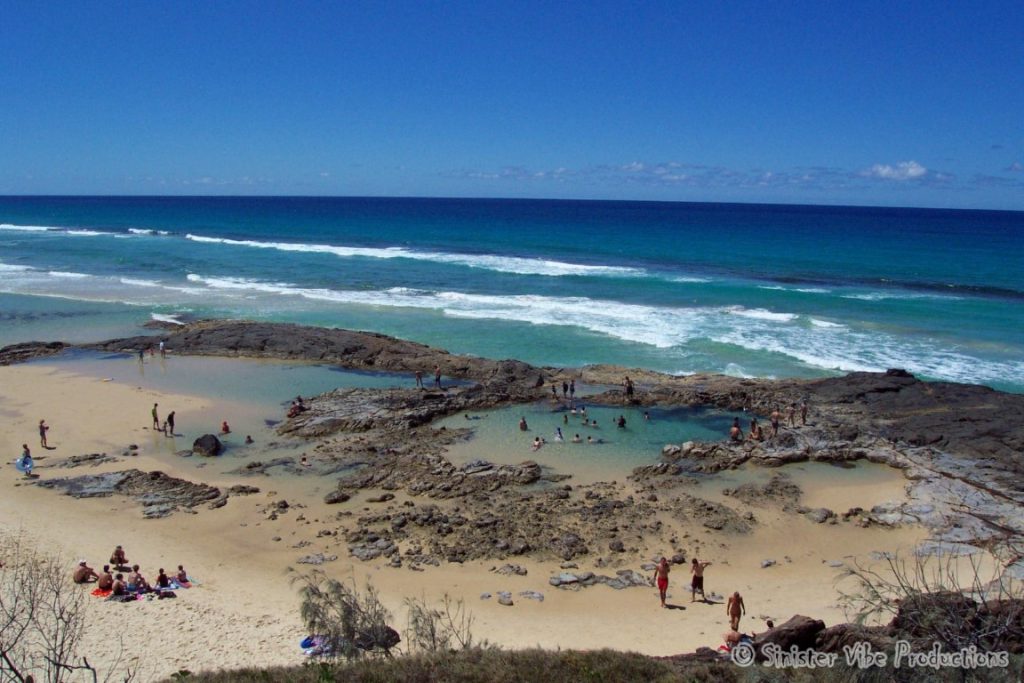
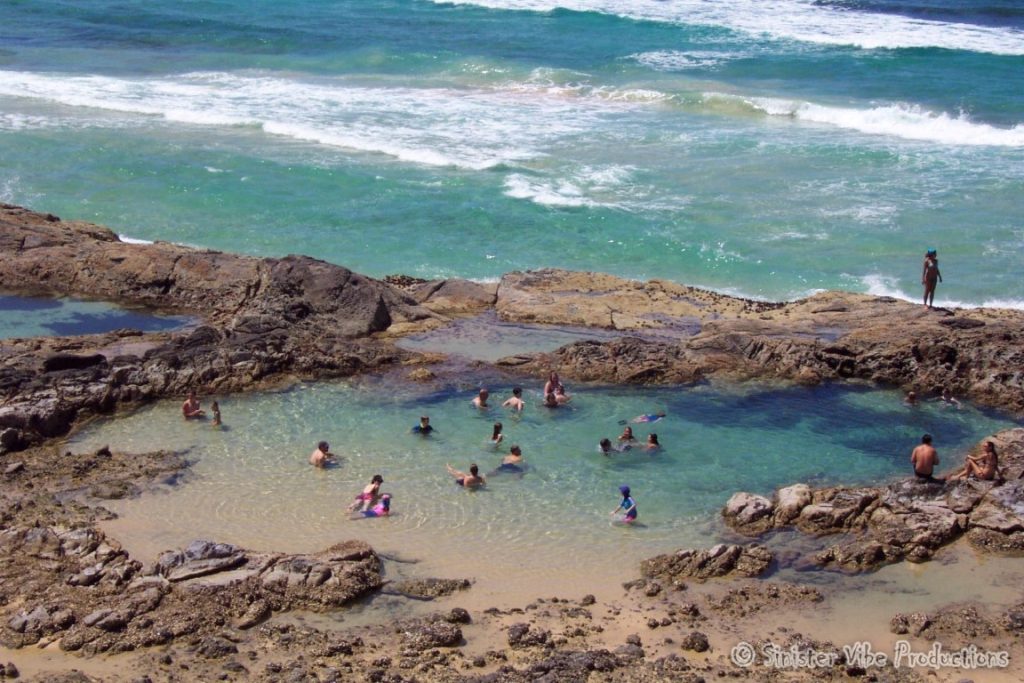
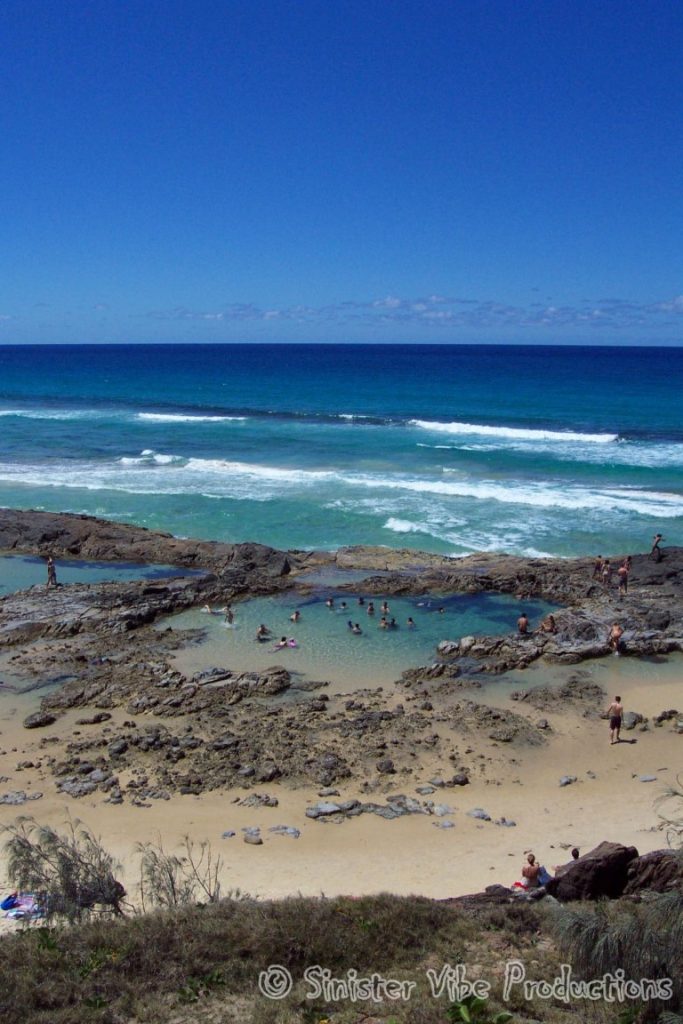
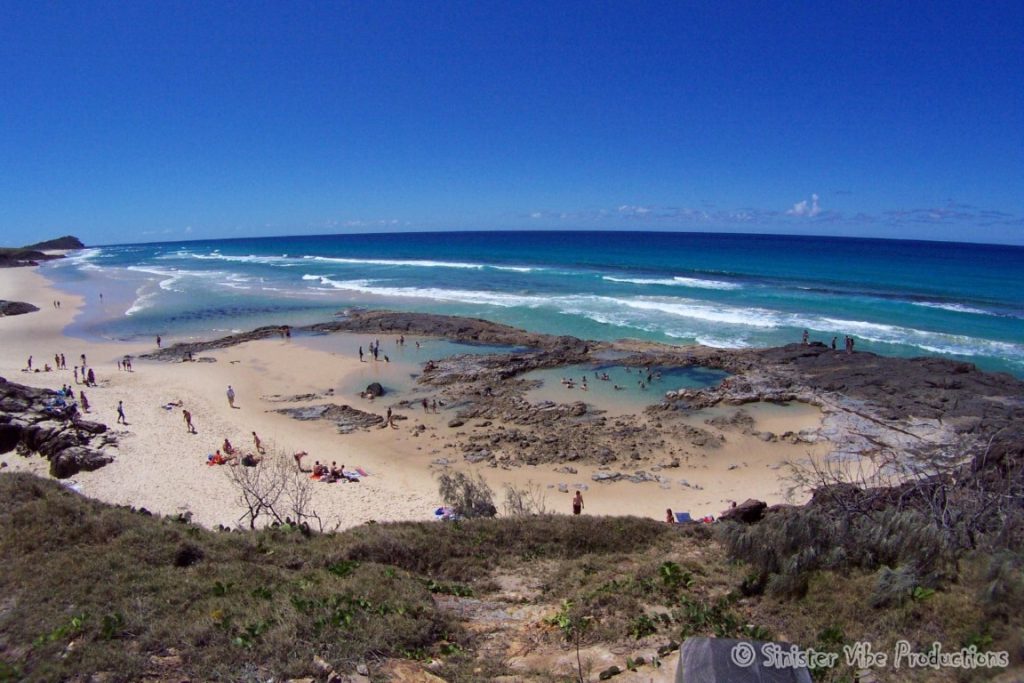
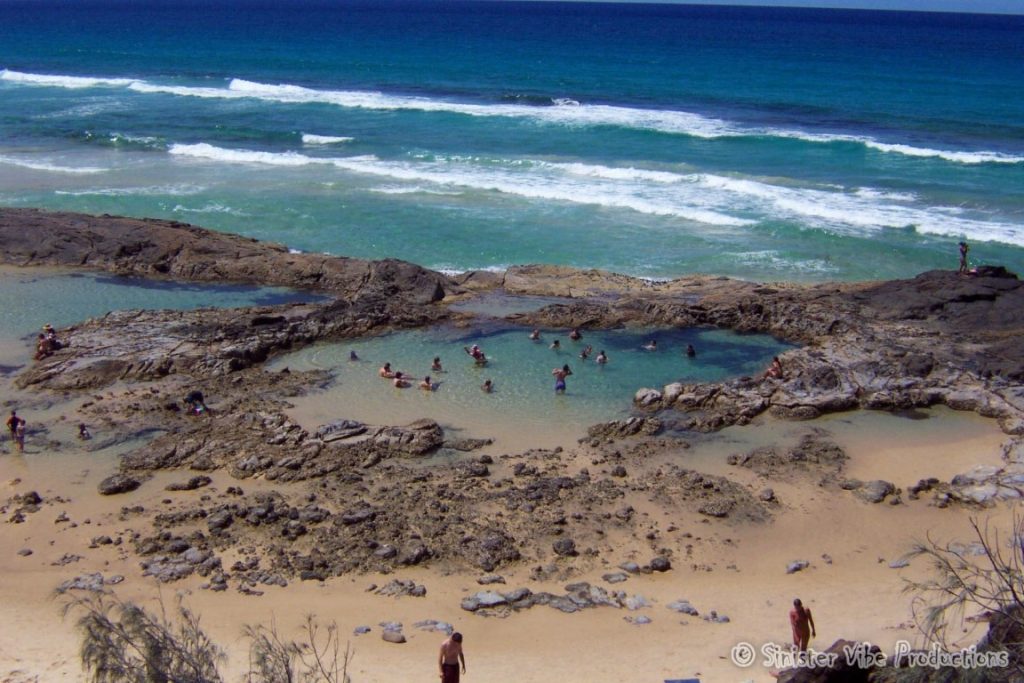
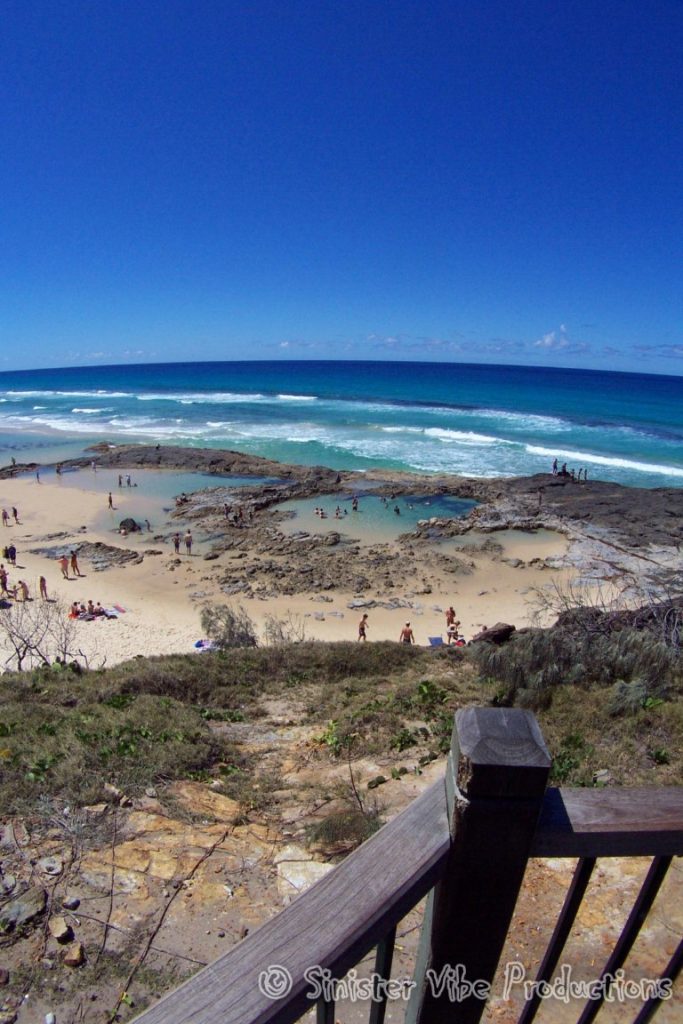
Another spectacular stop was the Coloured Sands. The layers of differently coloured sand were brilliant, ranging through shades of red, orange, yellow and brown. Photographs really don’t capture how striking they looked in person. Next came the Champagne Pools, natural rock pools along the coast where waves break over the surrounding rocks. I waded into the pools and looked down to find colourful little fish swimming around me.
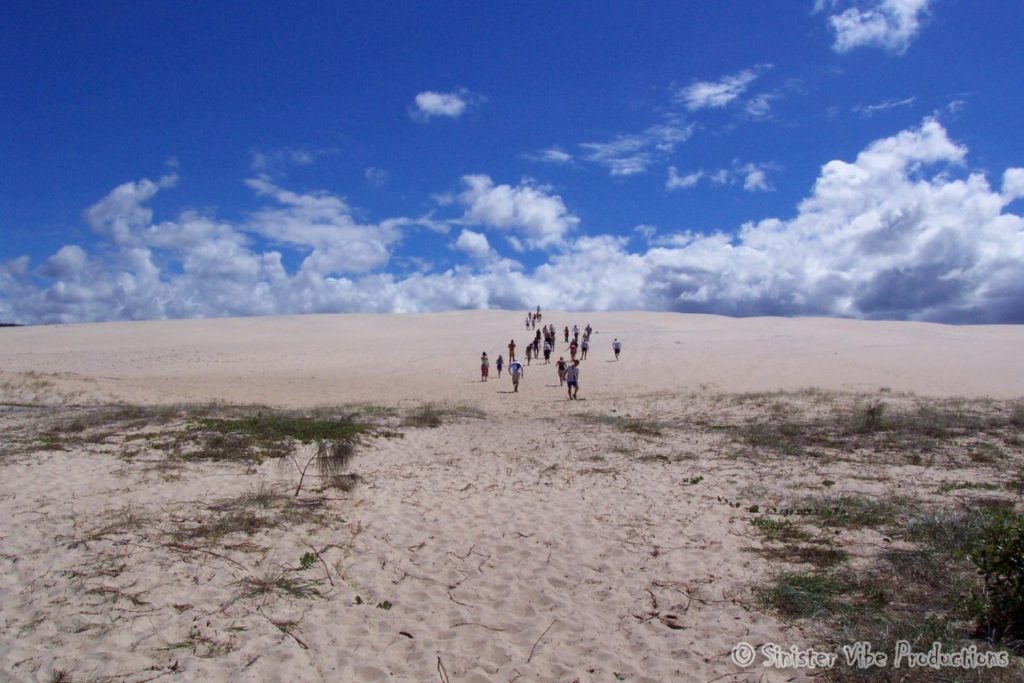
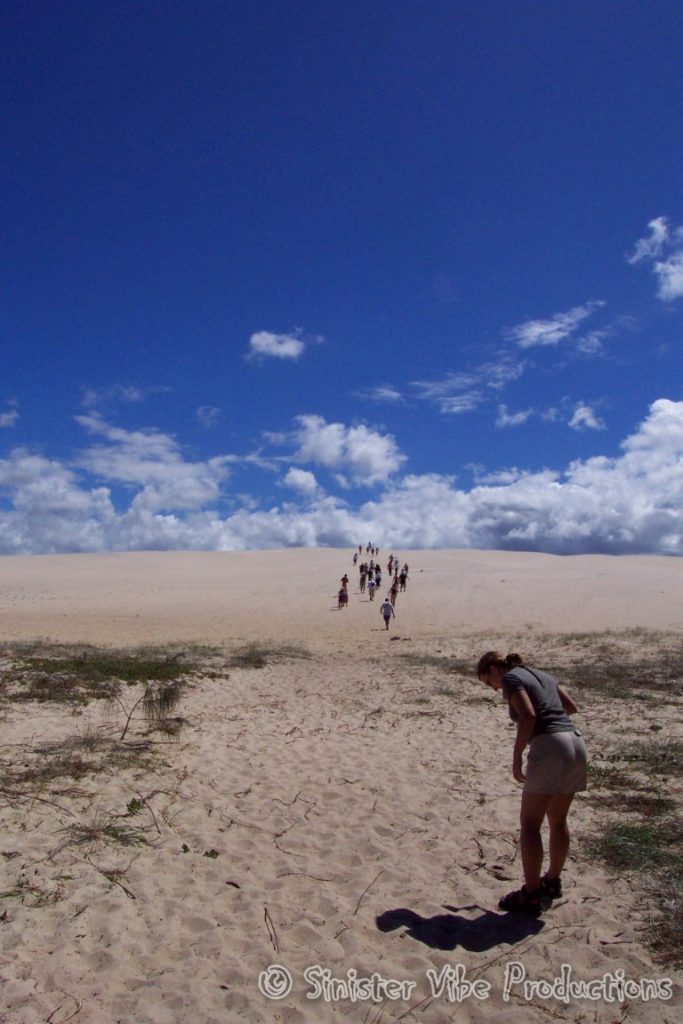
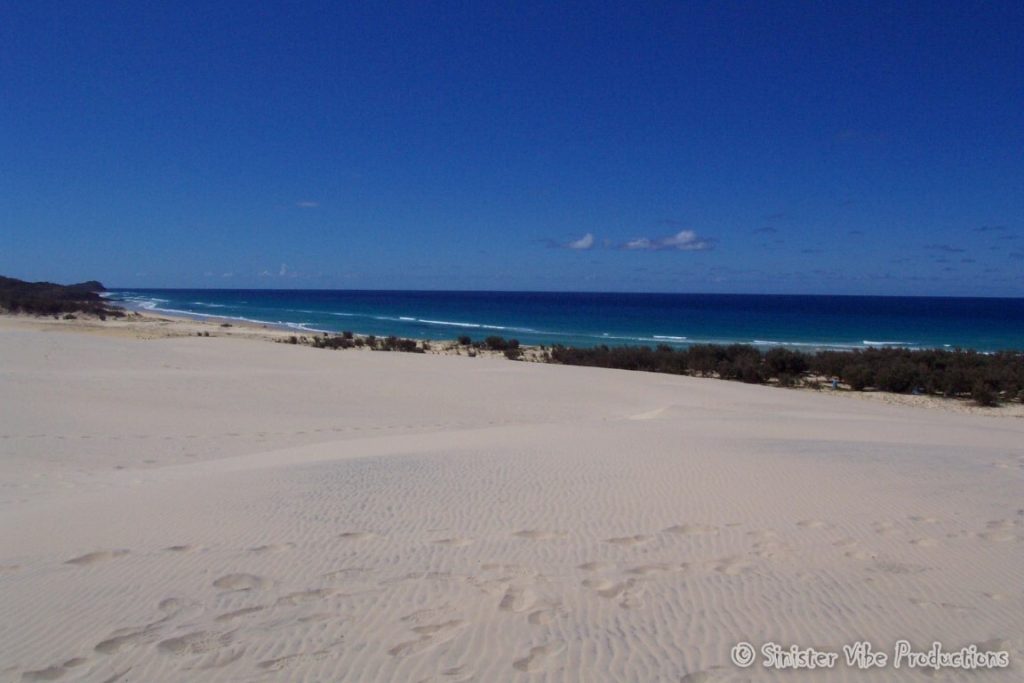
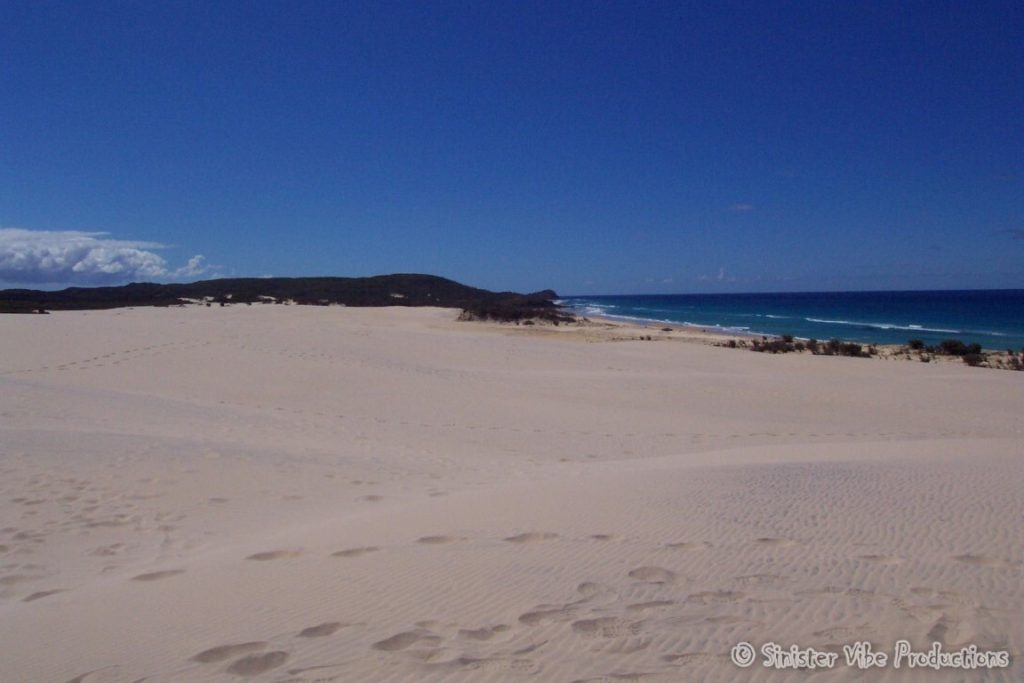
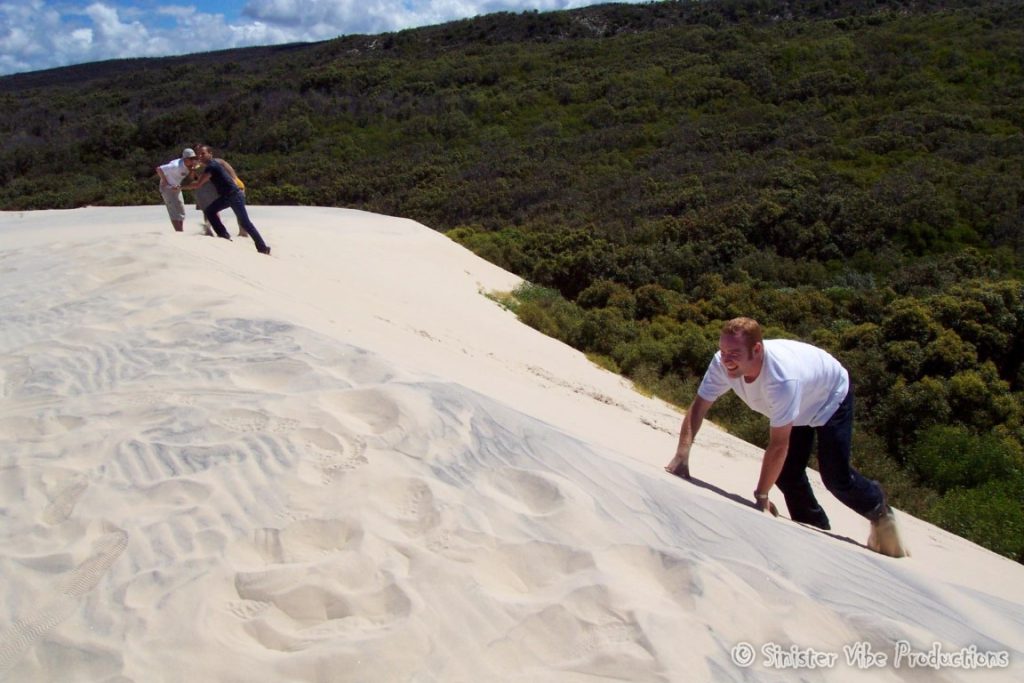
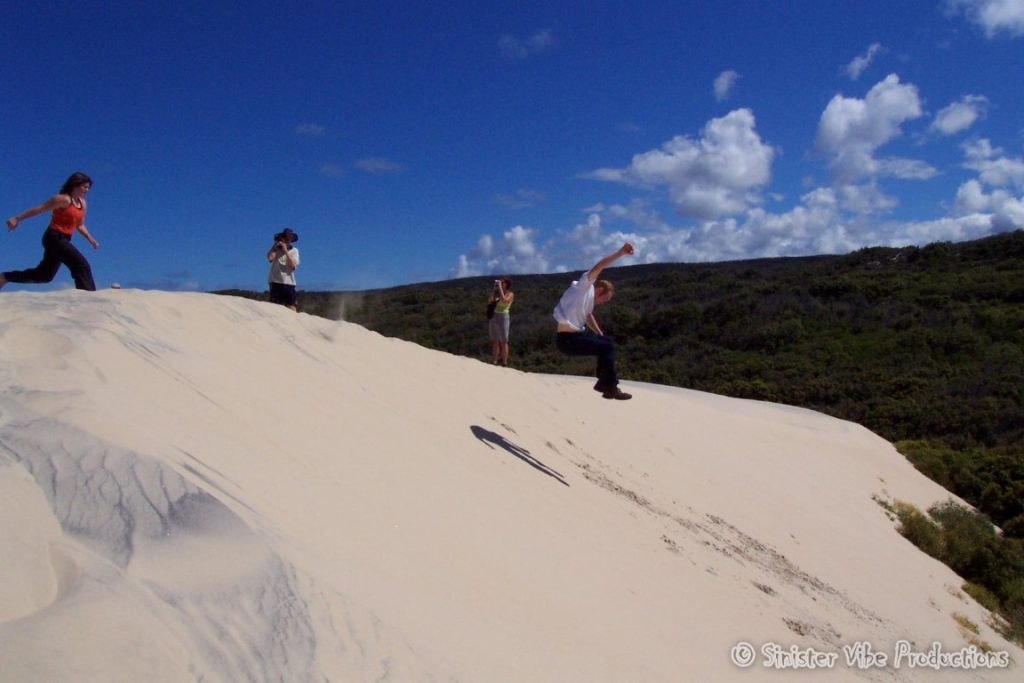
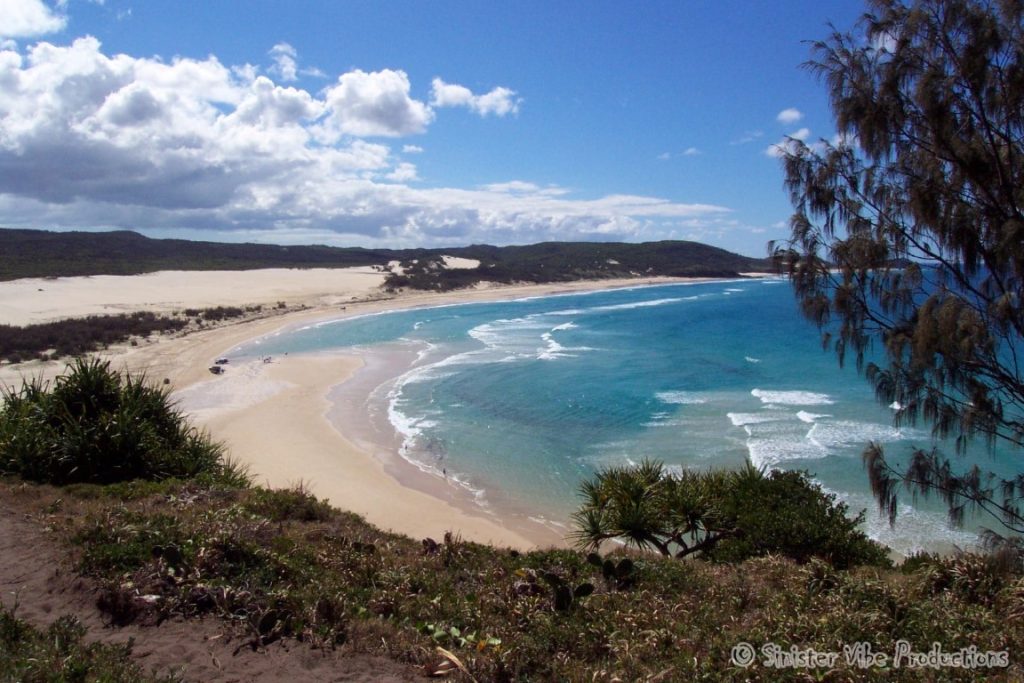
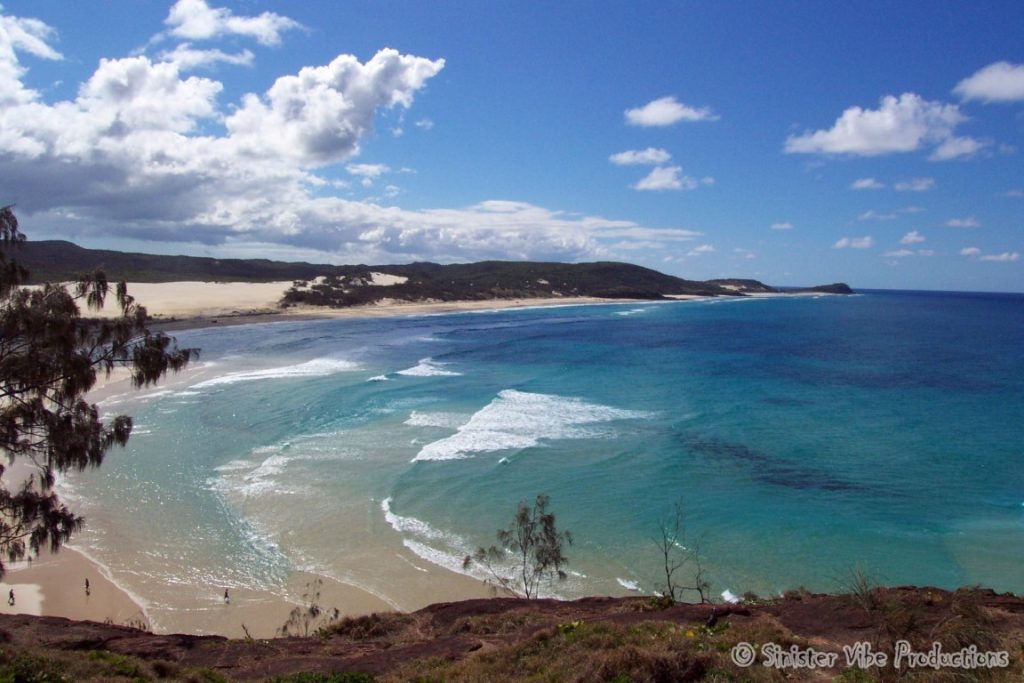
Then came a huge sand dune, and now it was official: I realized just how out of shape I was. I struggled my way up while seemingly everyone else in the group reached the top before me — and still had enough energy left to start jumping off it. Our next stop became one of the absolute highlights of Fraser Island and ranks right up there with the Whitsundays. Some of the photographs I took here remain among my favourite pictures from the entire trip. Even looking at them now, the place still seems dream-like.
“There were plants and birds and rocks and things.”
— America, A Horse with No Name
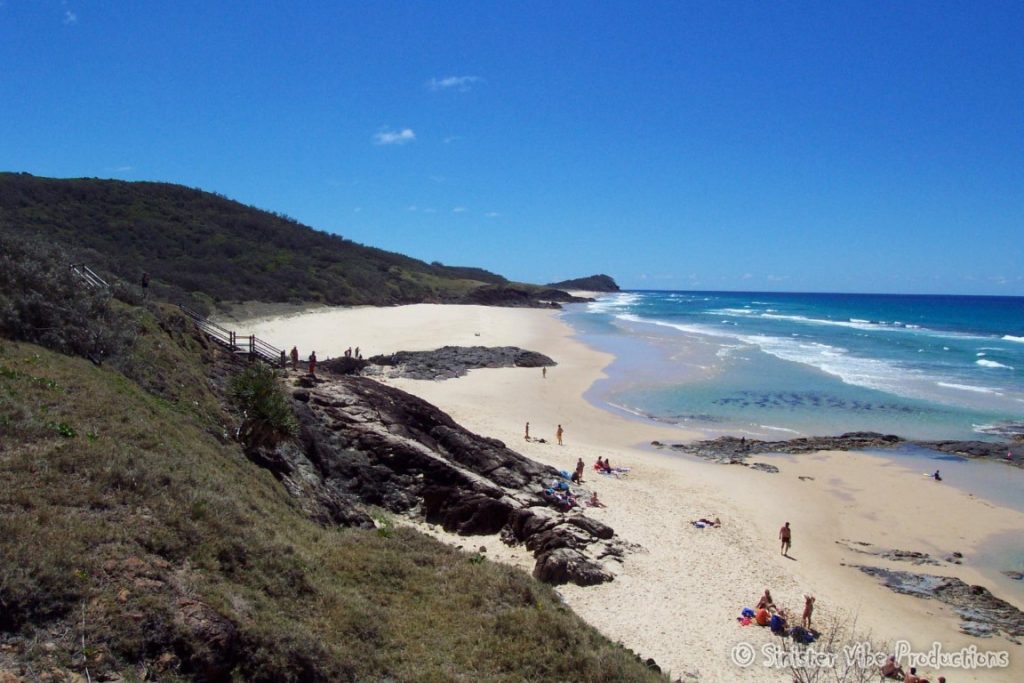
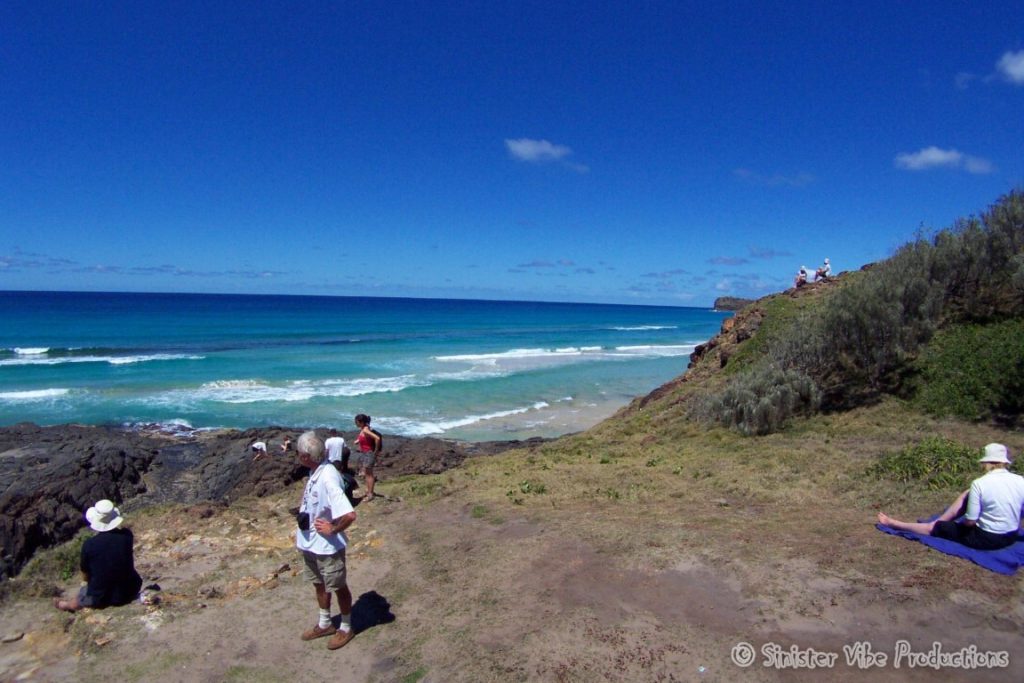
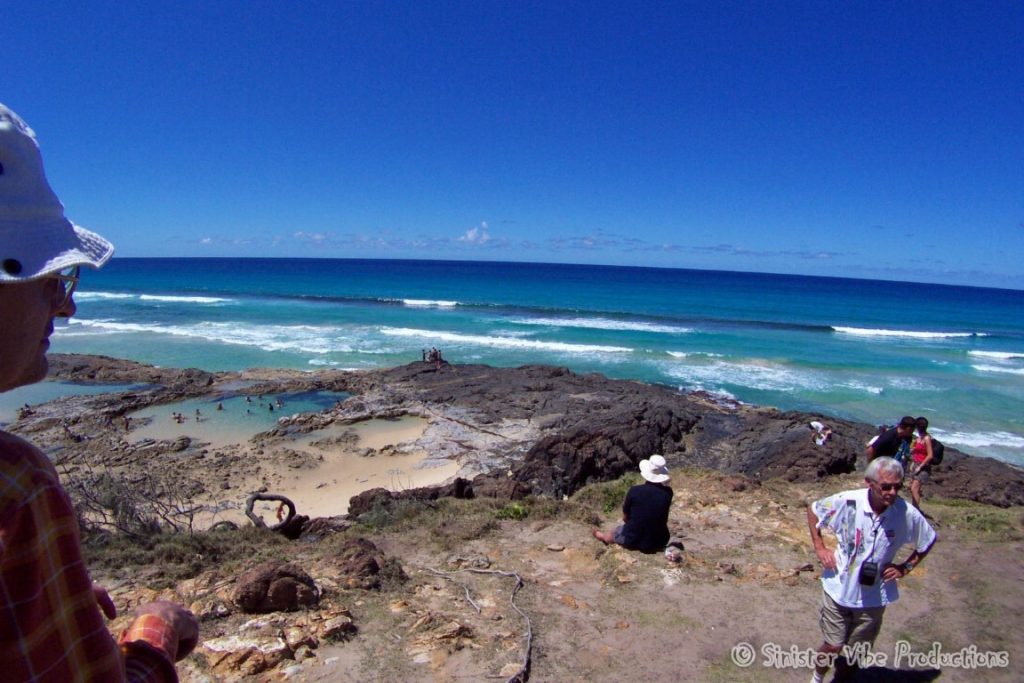
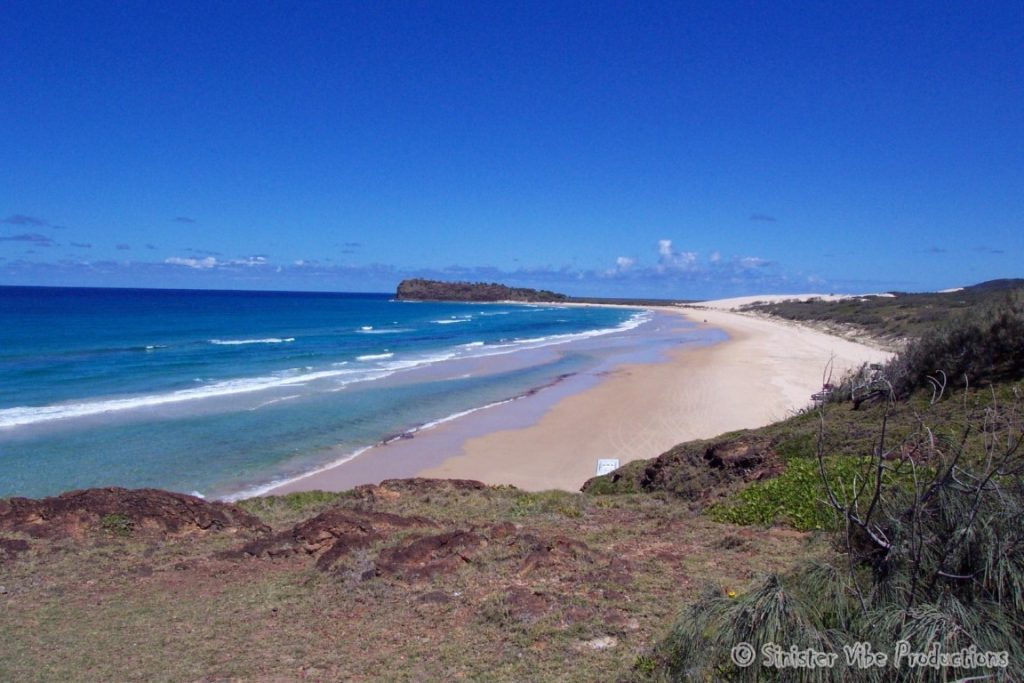
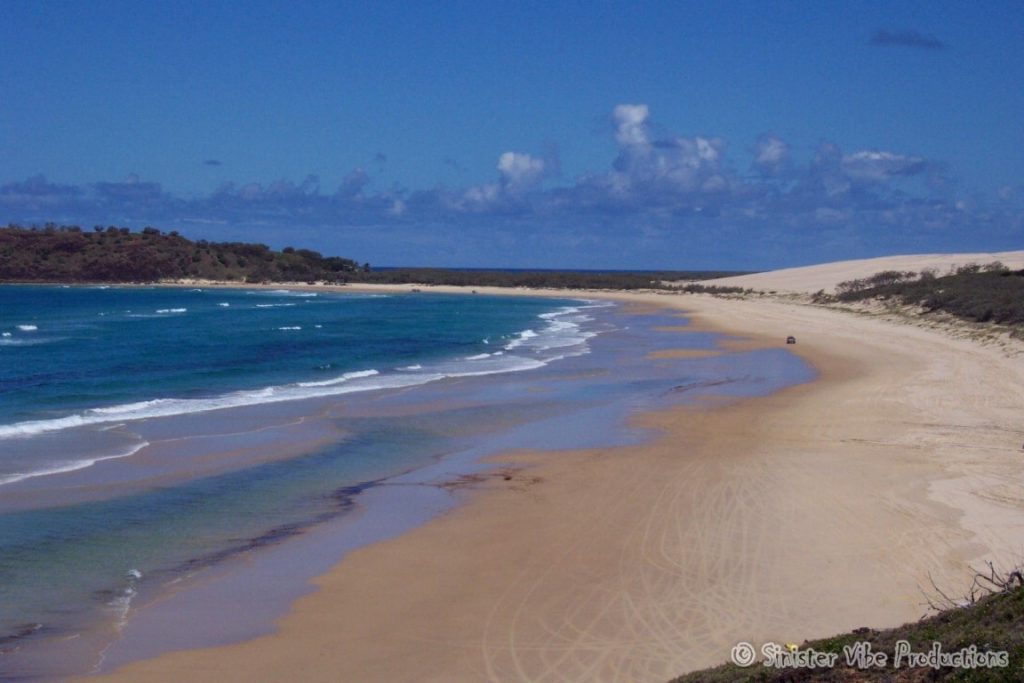
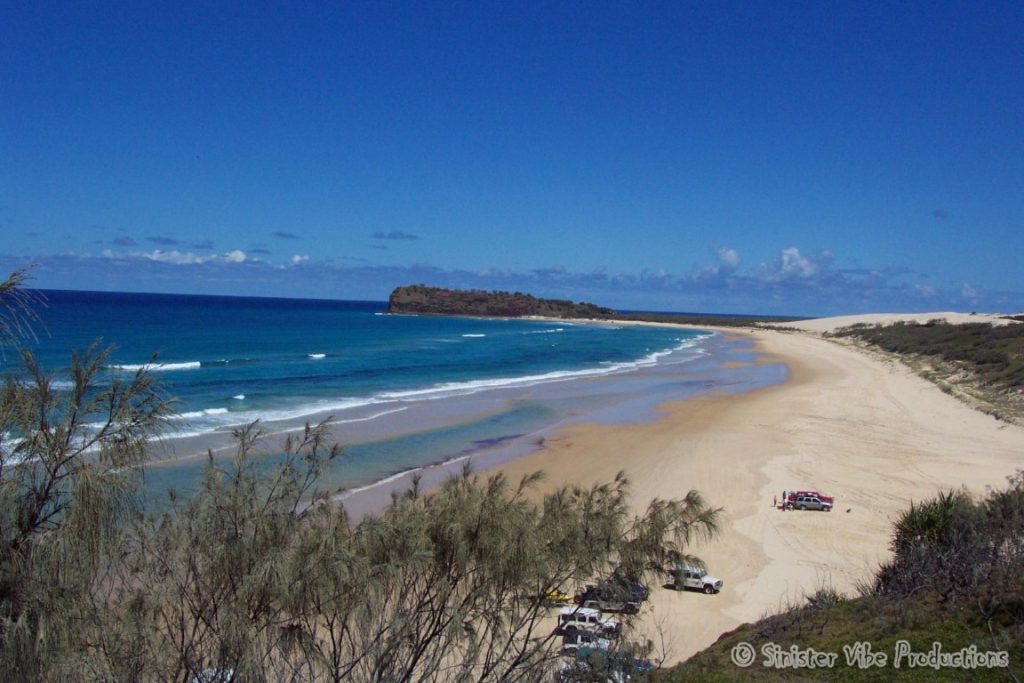
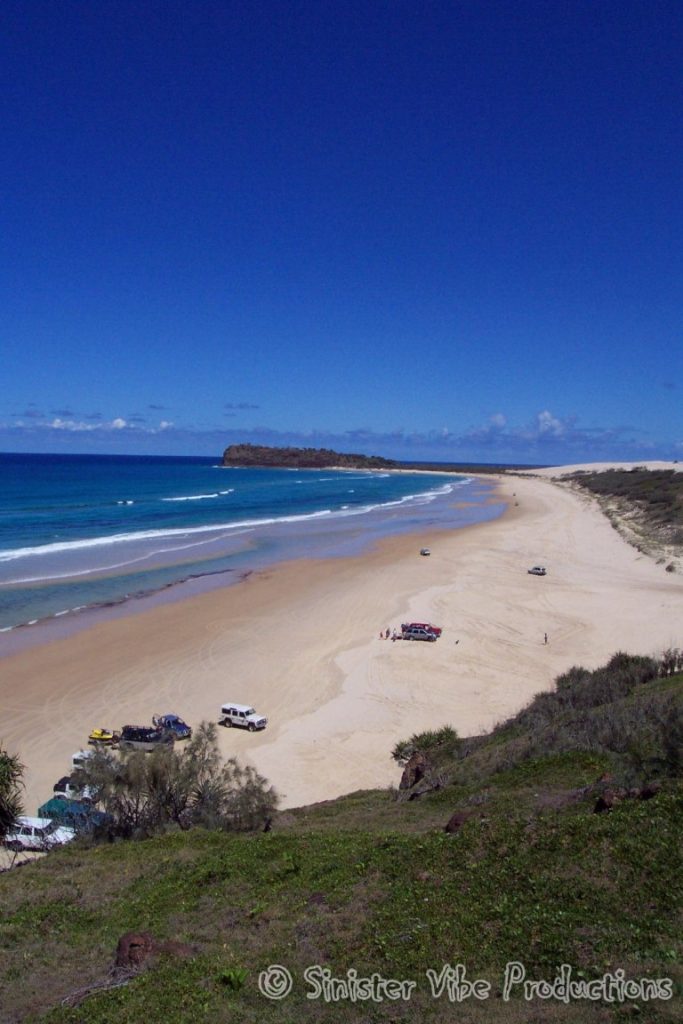
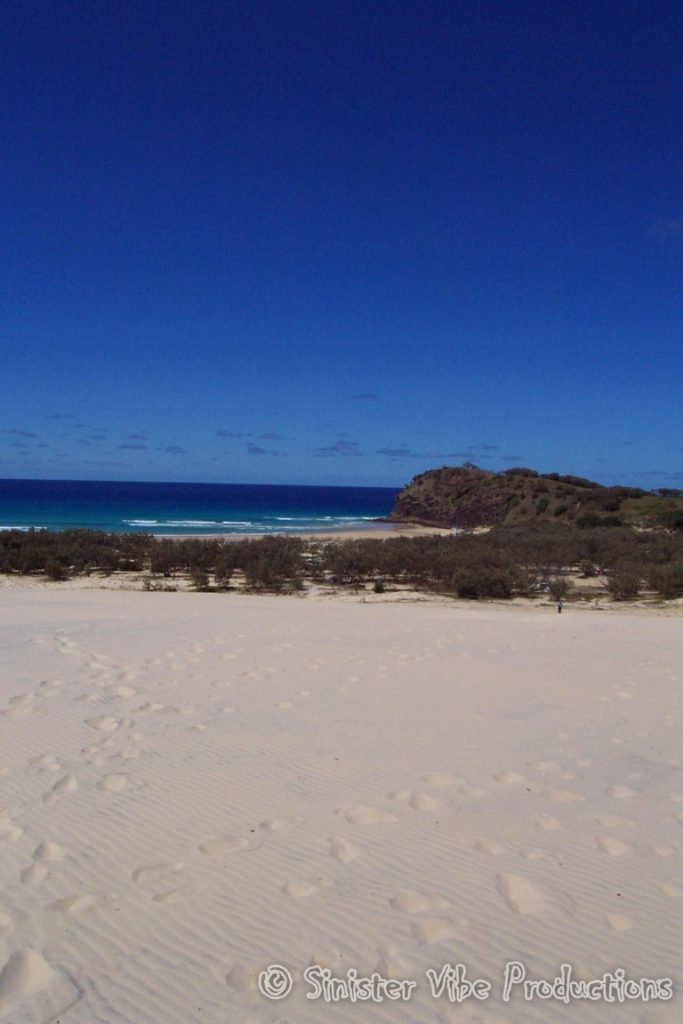
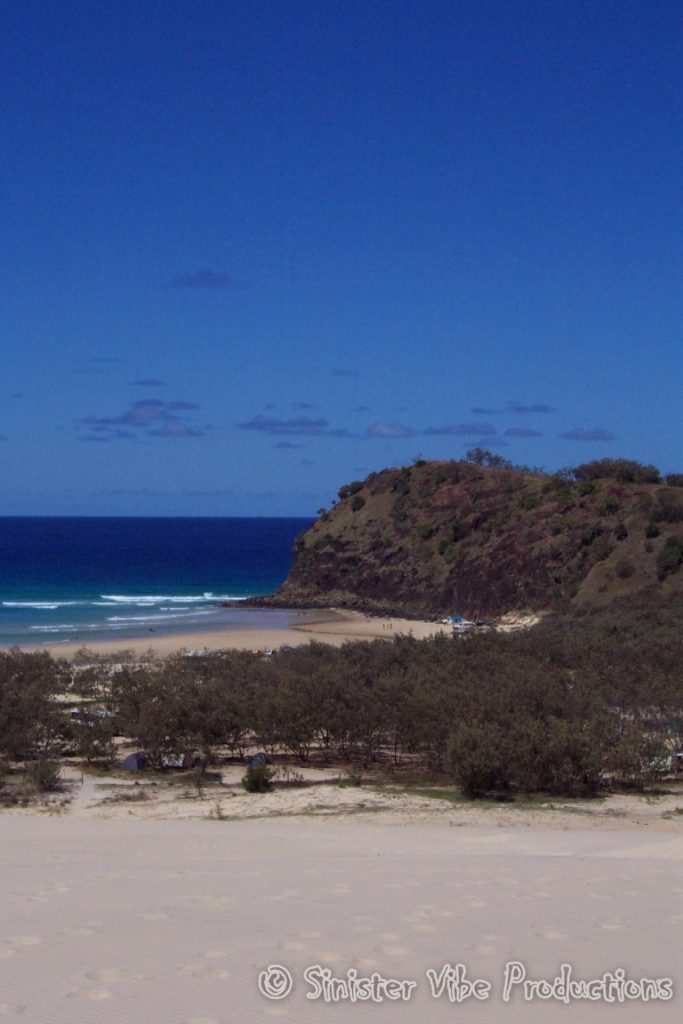
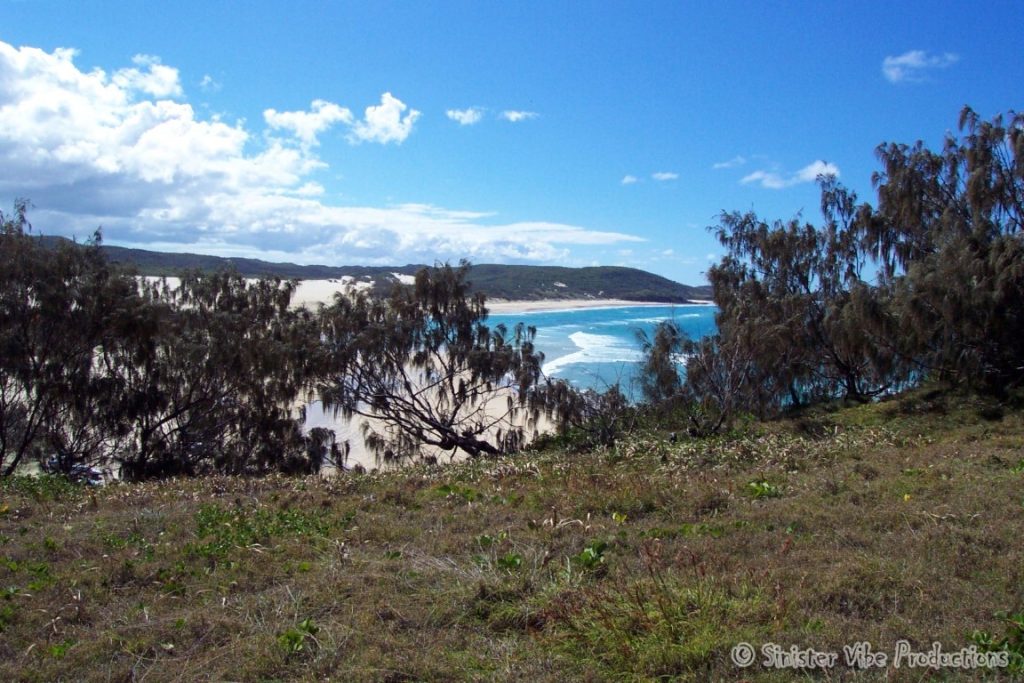
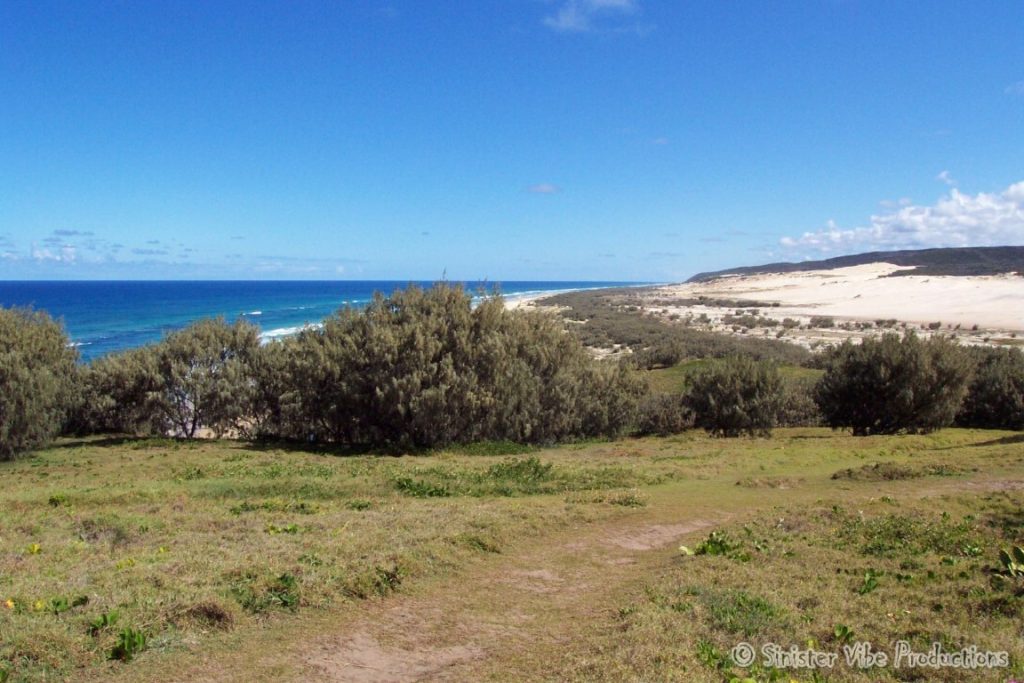
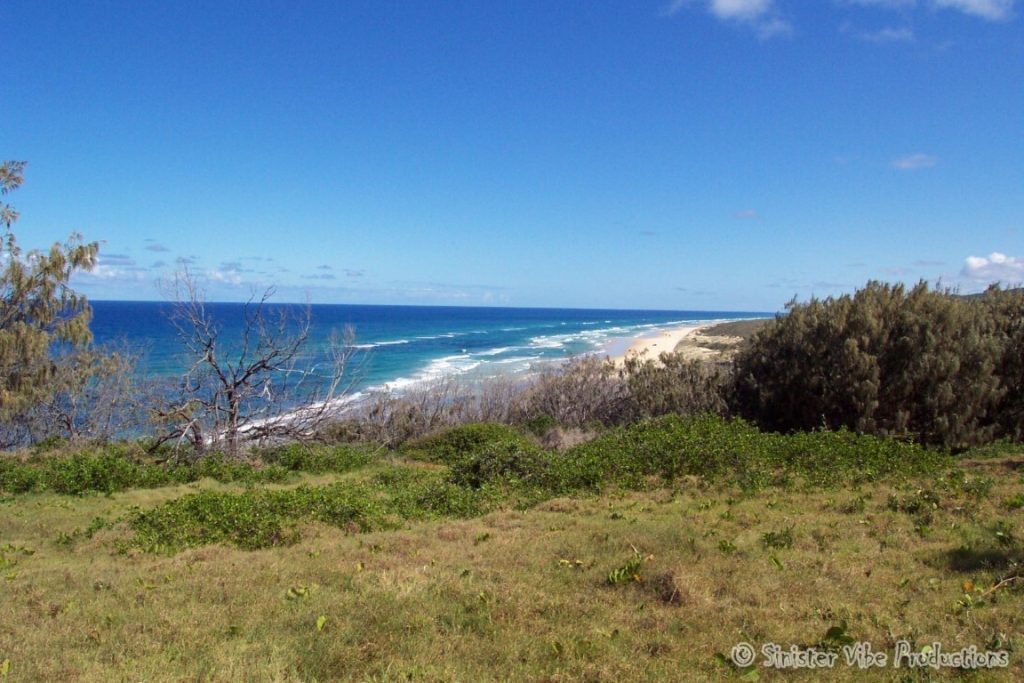
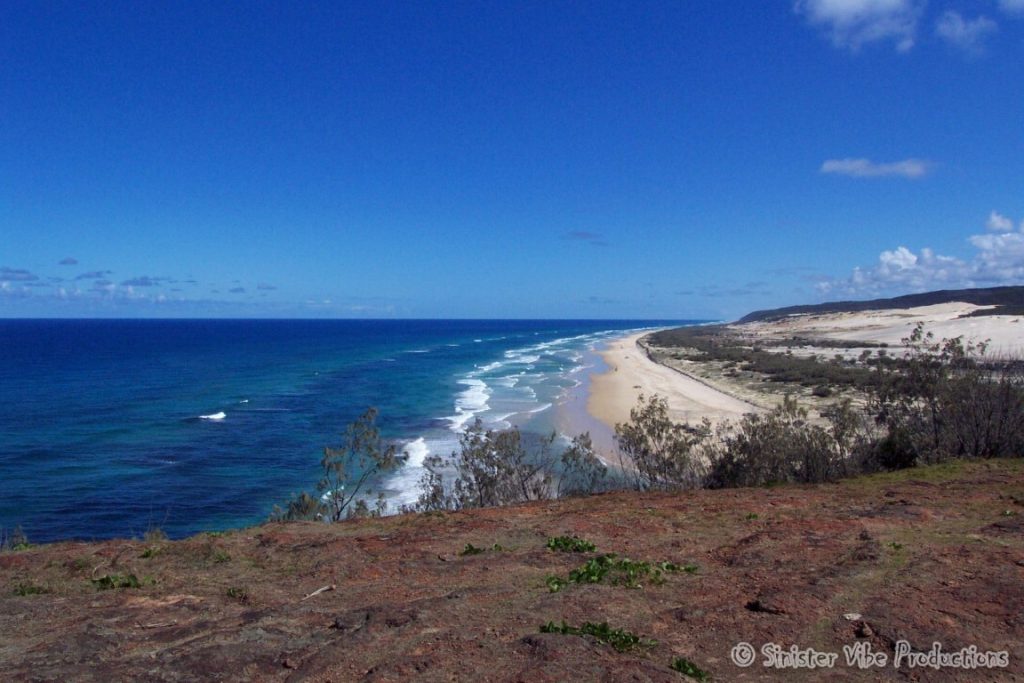
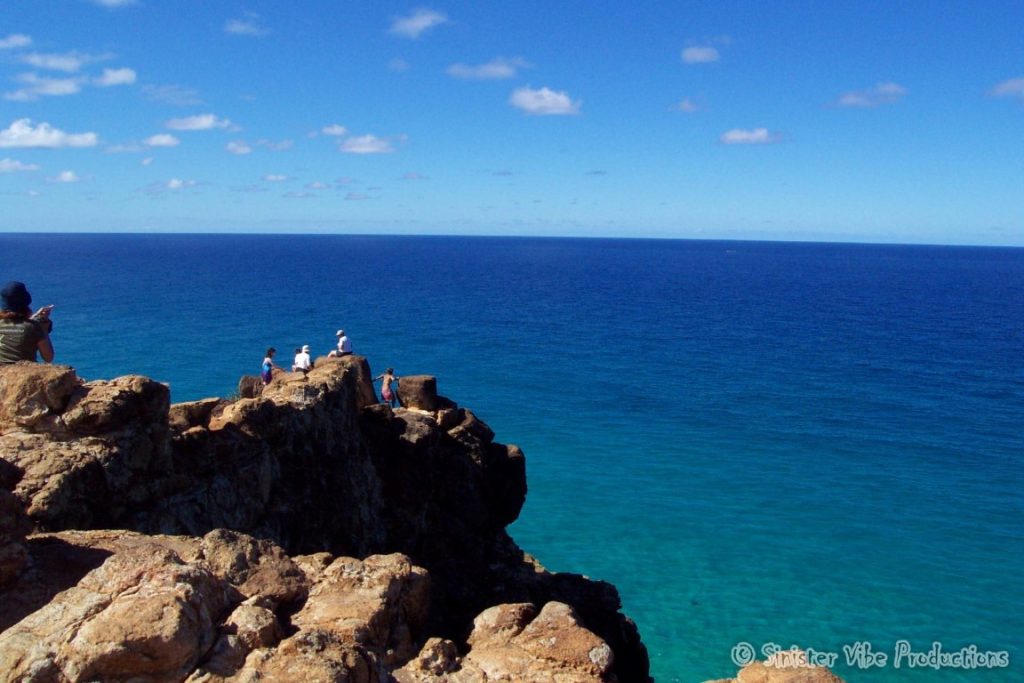
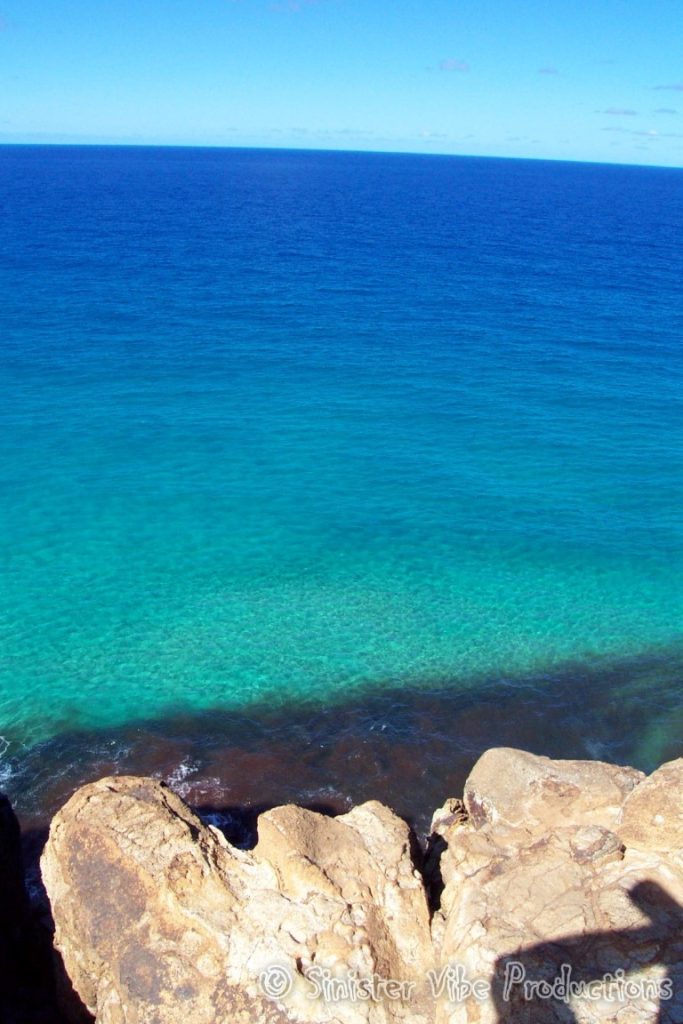
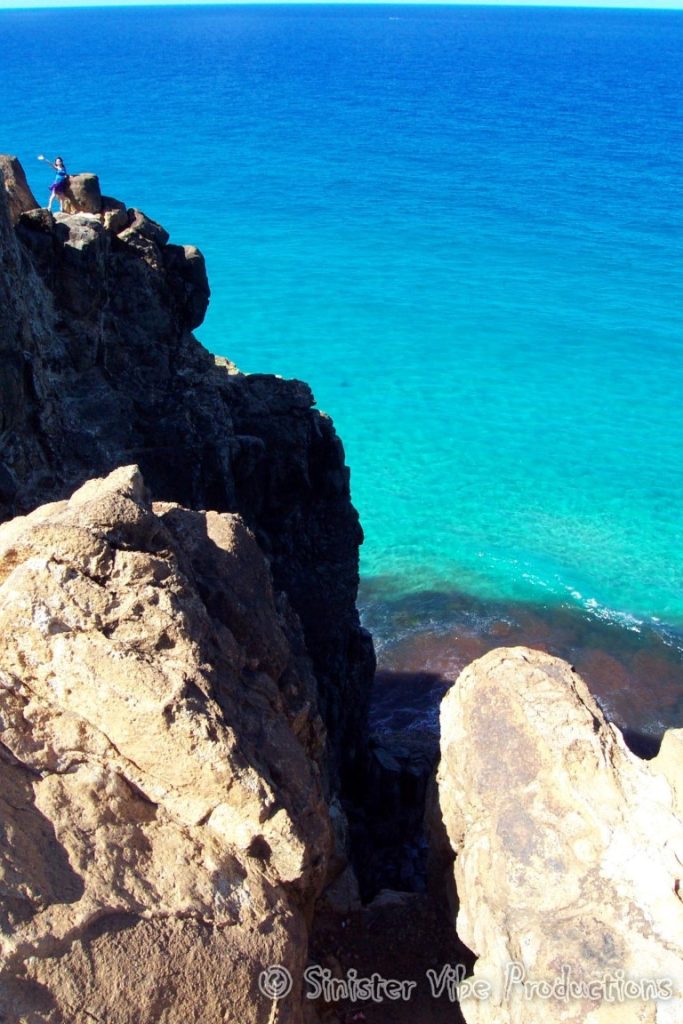
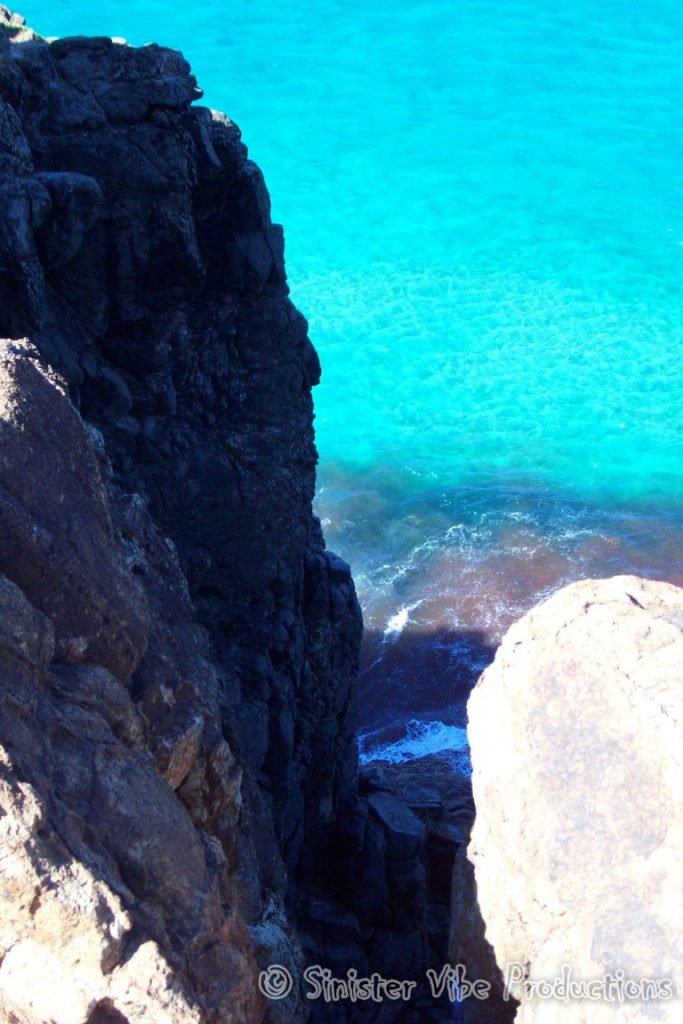
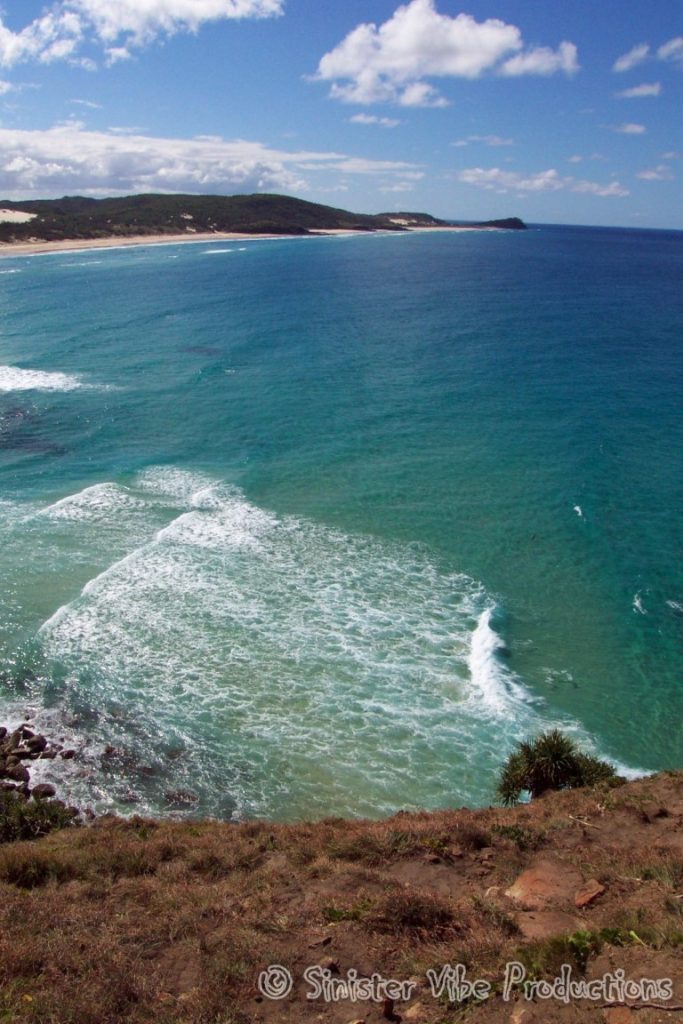
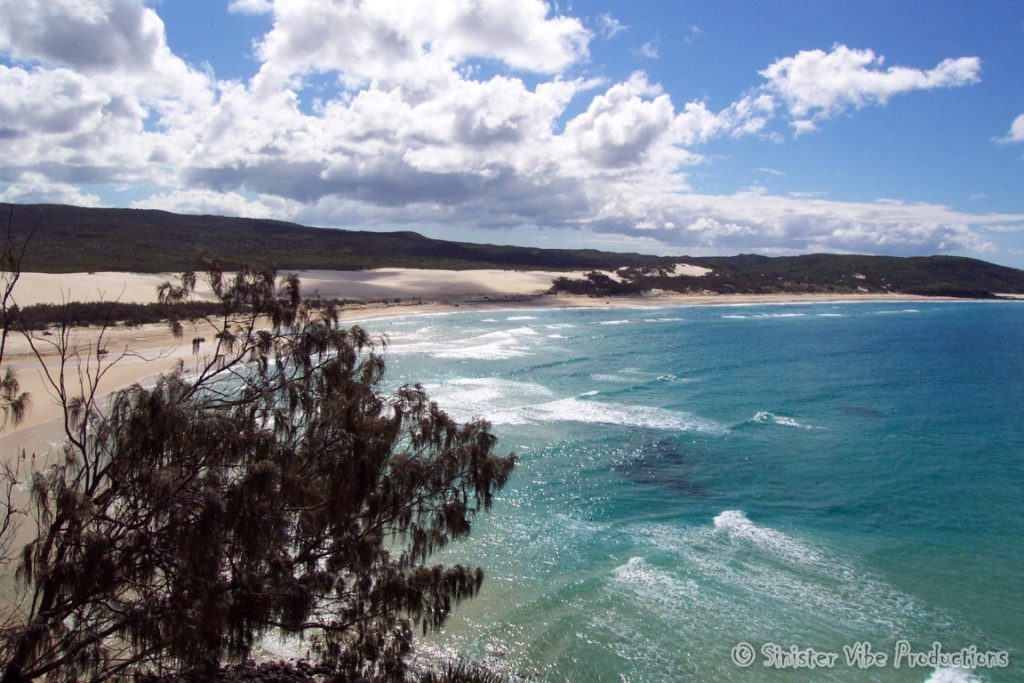
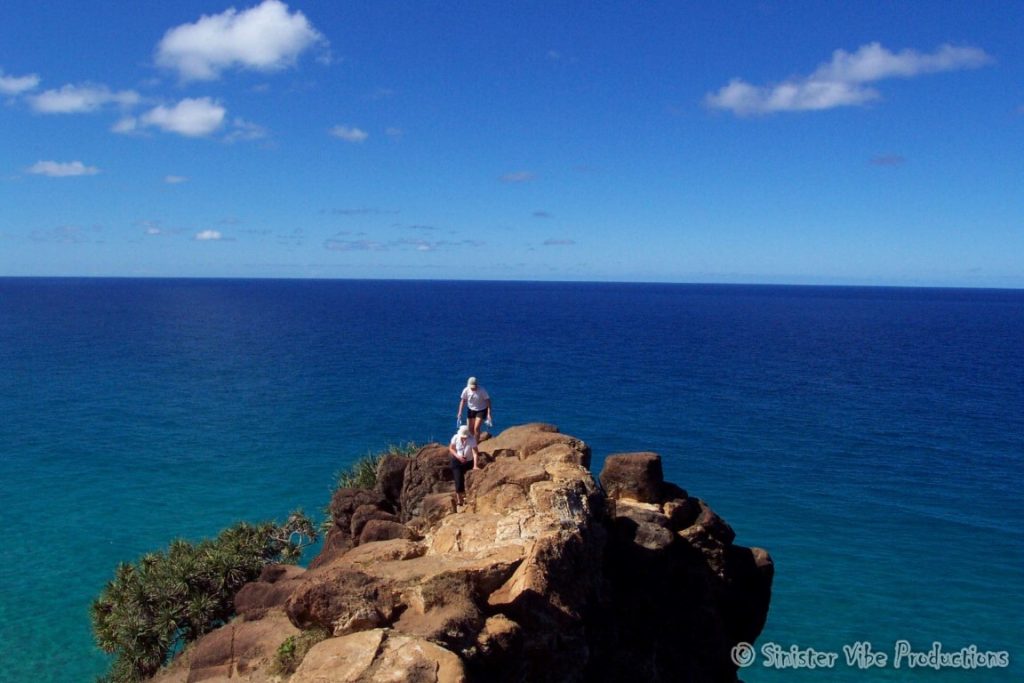
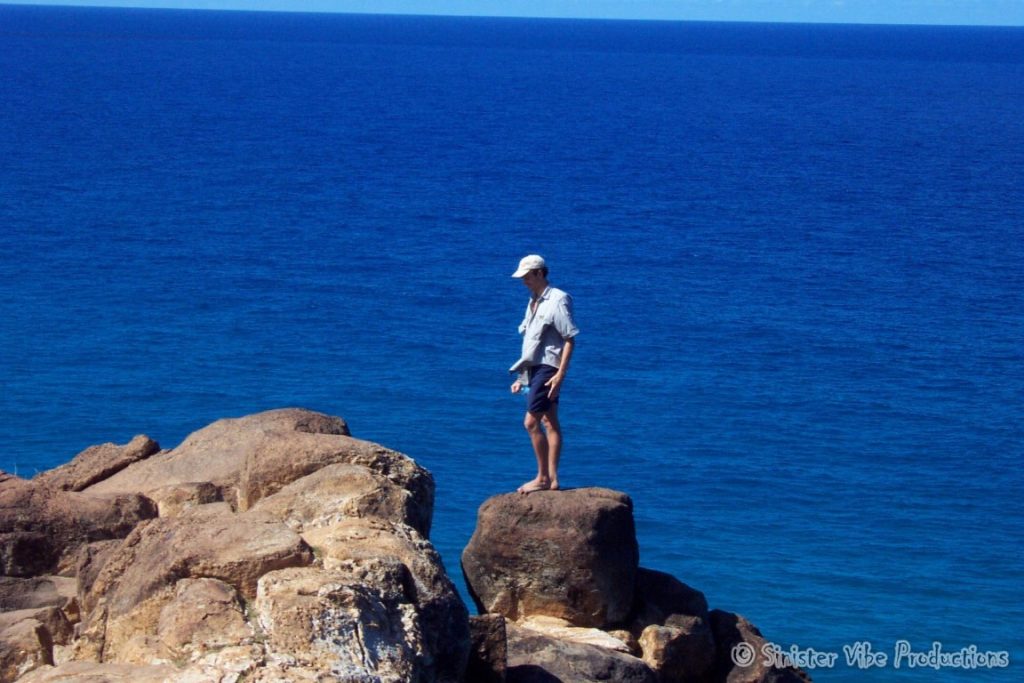
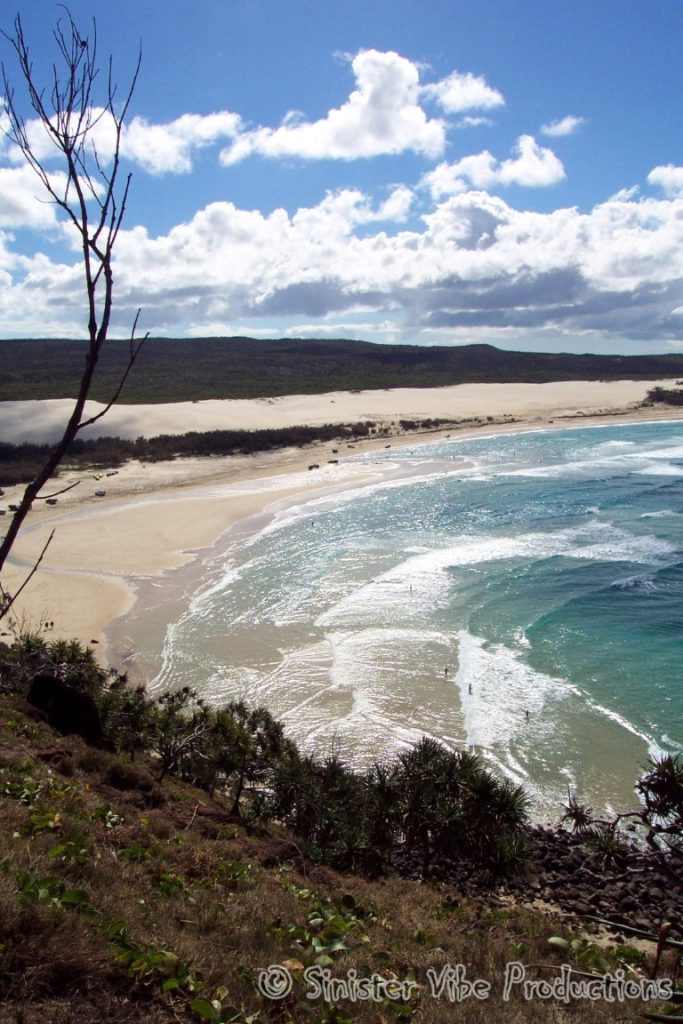
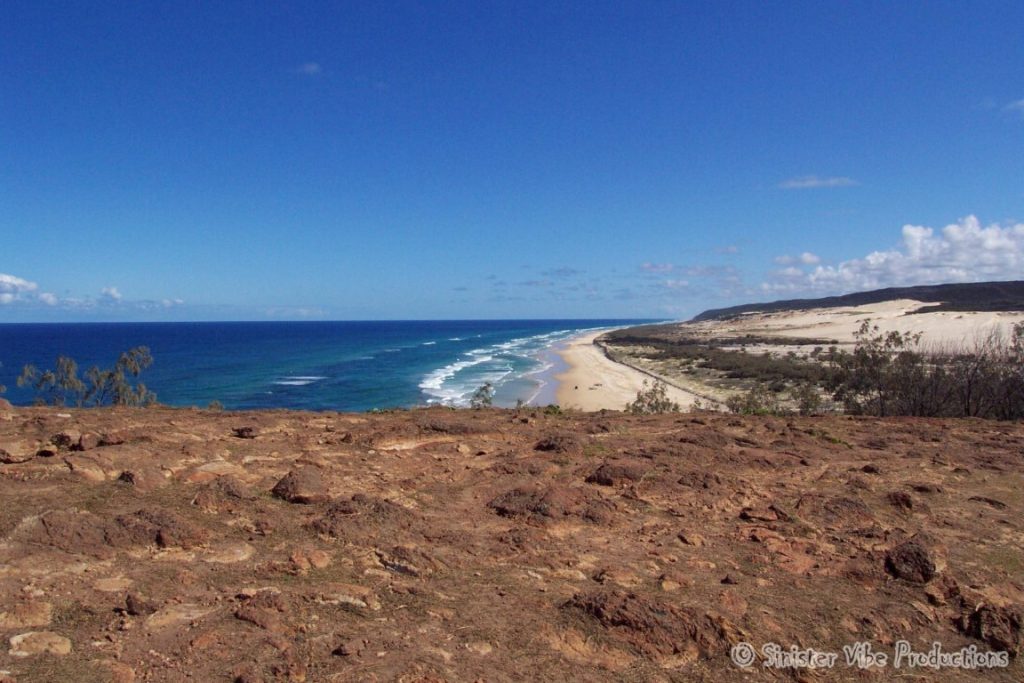
We climbed Indian Head, the massive rocky headland on Fraser Island’s eastern coast. Captain James Cook sailed past this coast in May 1770 and mistakenly believed Fraser Island was connected to the mainland. He named the headland Indian Head after seeing Aboriginal people gathered there. Whatever the history of the name, the view from the top was extraordinary.
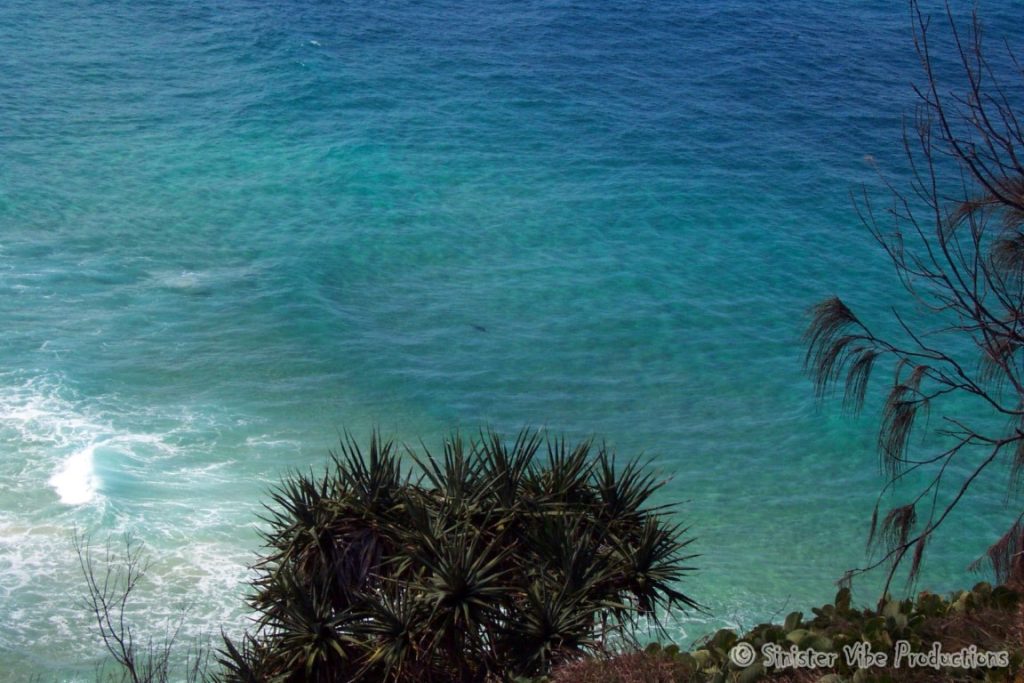
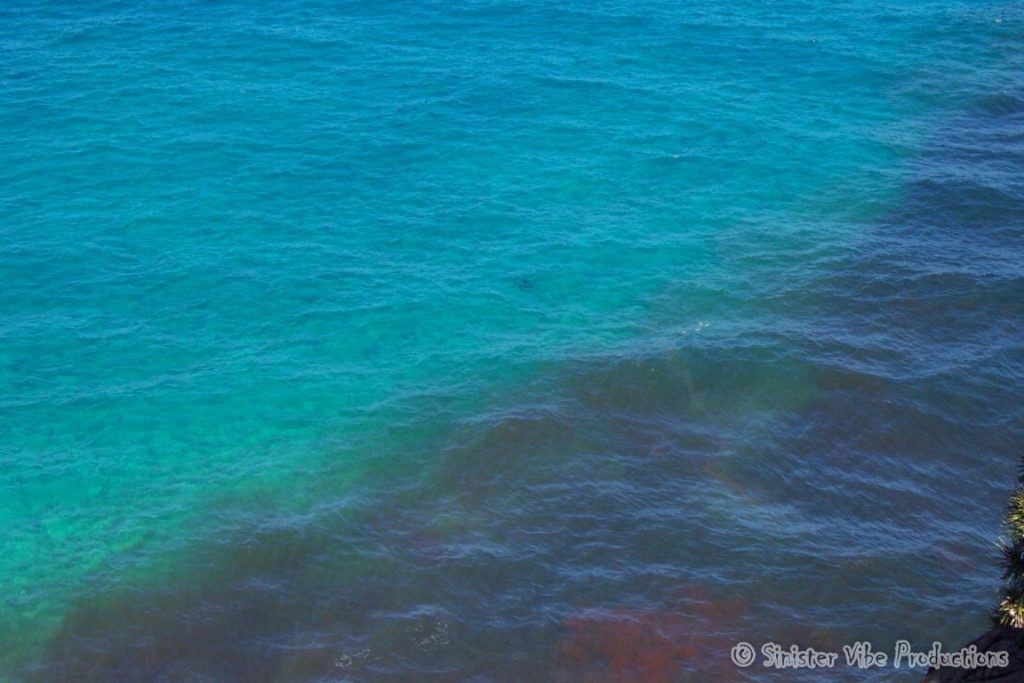
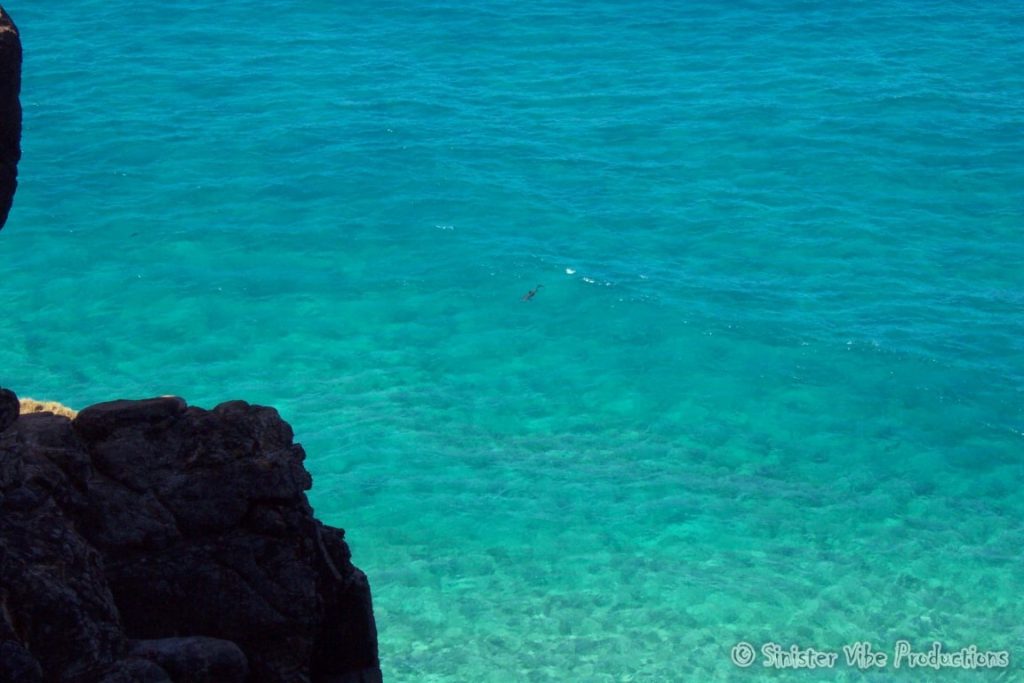
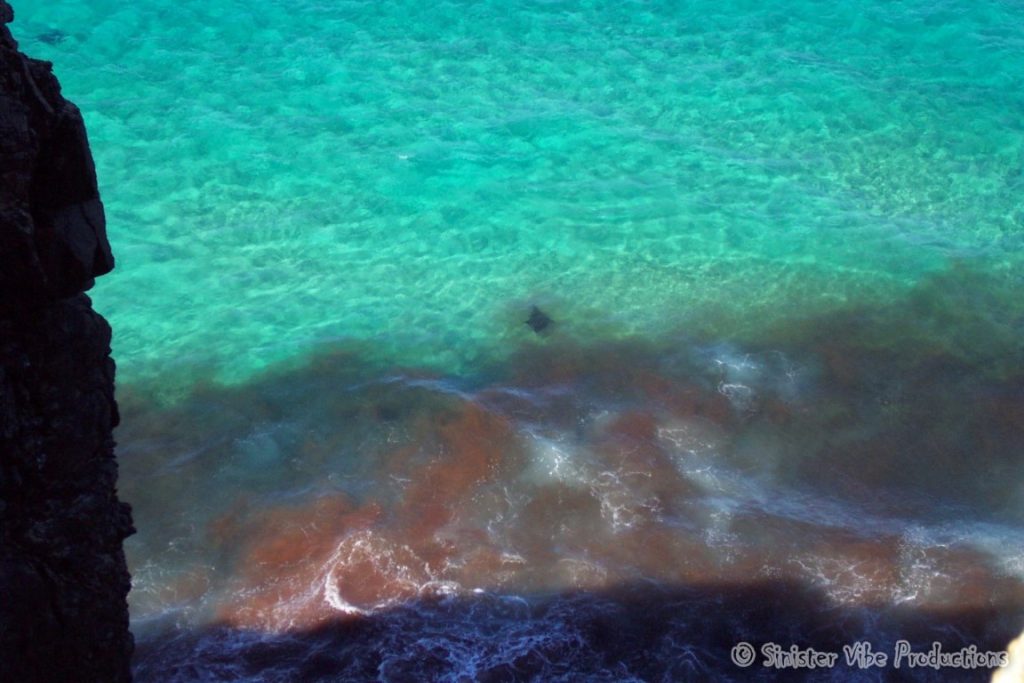
From the headland we could look directly down into the clear ocean and watch marine life moving along the coast. I saw sea turtles, stingrays, dolphins and sharks. At one point a huge shark actually broke the surface of the water and twisted through the air almost like a dolphin. Even Ranger Peter seemed surprised. I could have sat on top of Indian Head forever. My only regret was not having a better zoom lens on my digital camera. In several photographs, these spectacular animals appear as little more than dark shapes beneath the water. The experience was considerably better than the photographic evidence.
Later I was walking along the beach when I spotted what looked like a couple of strange blue condoms lying in the sand. How disgusting, I thought. Then Ranger Peter yelled, “DON’T TOUCH!” They weren’t condoms. They were bluebottles — close relatives of the Portuguese man o’ war — and their tentacles can deliver a very painful sting. Could have been an interesting afternoon.
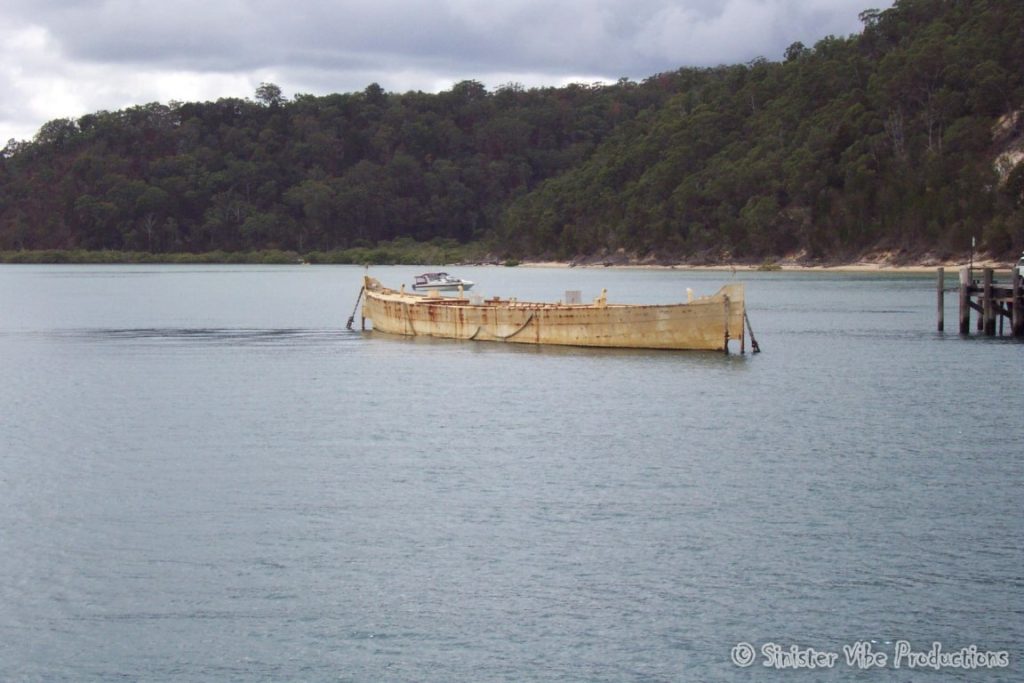
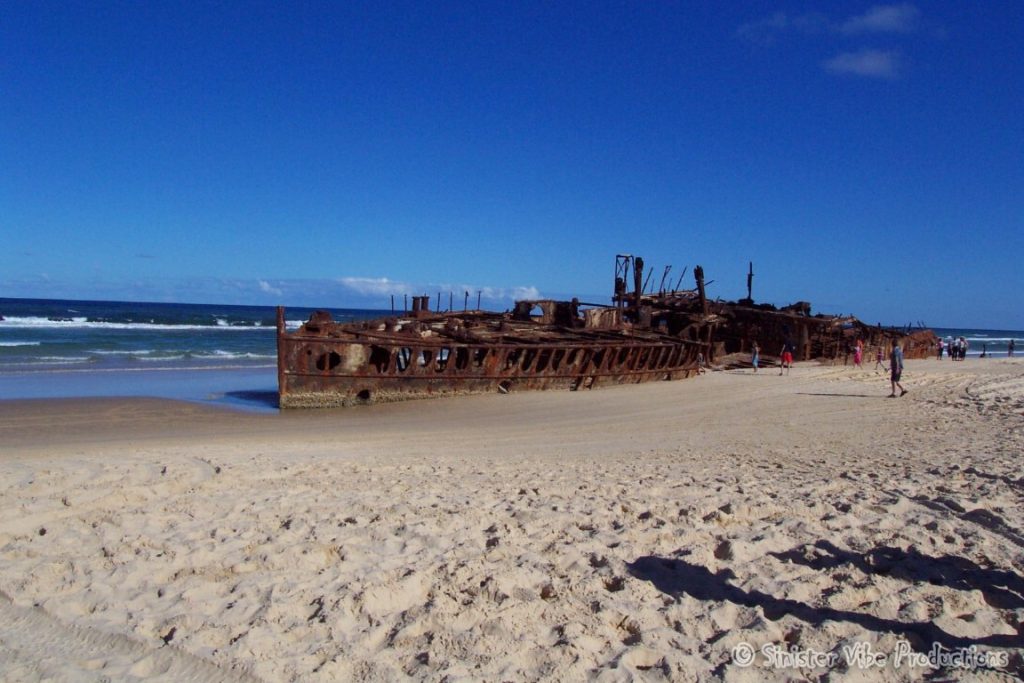
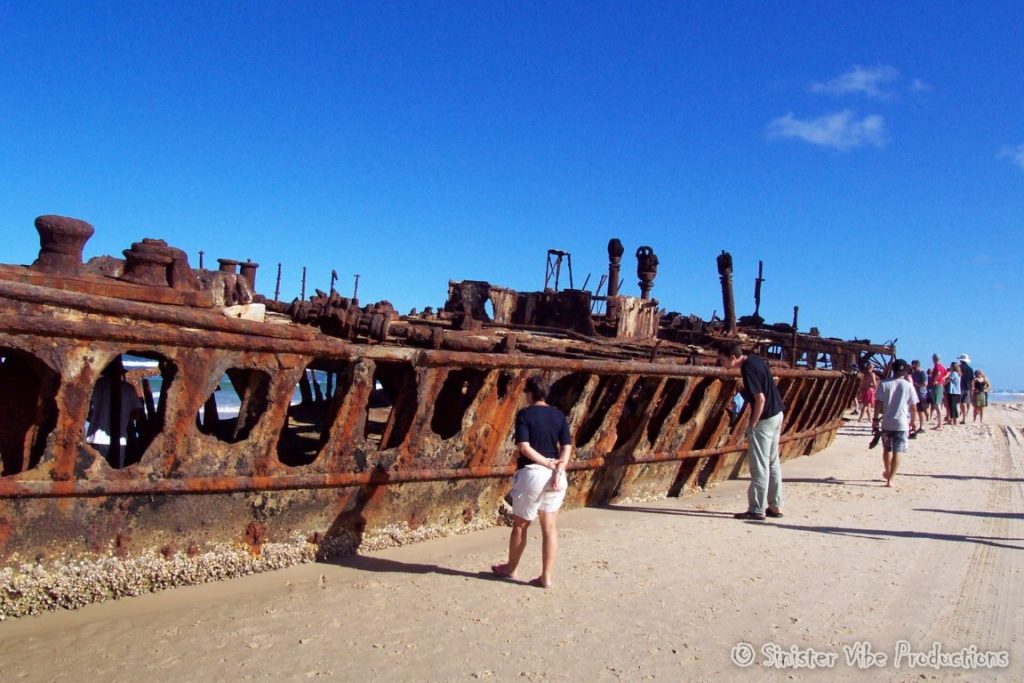
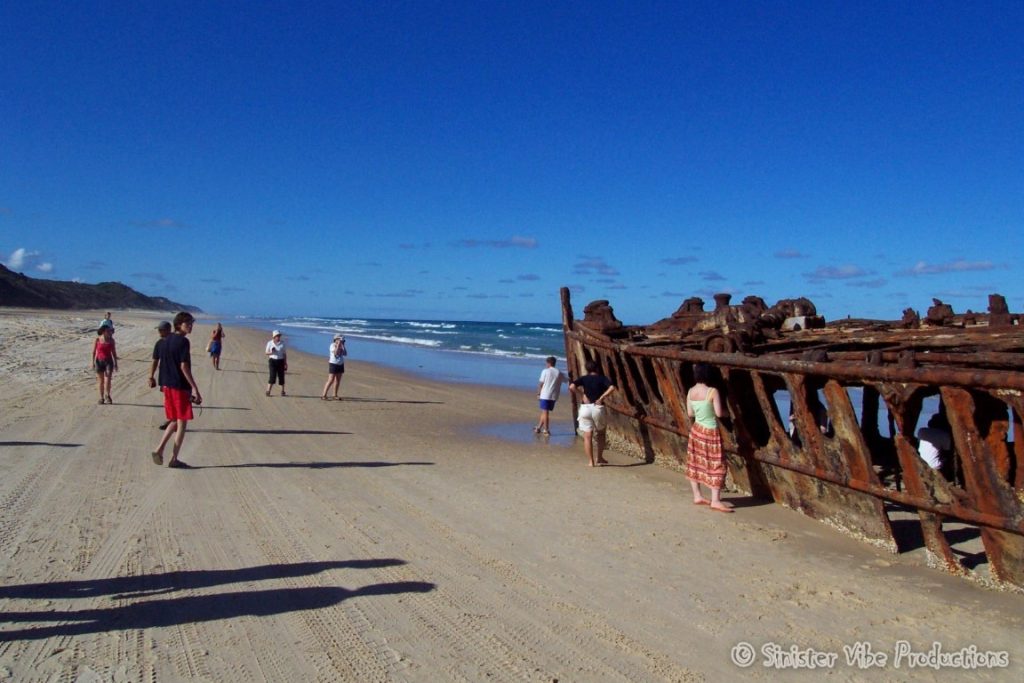
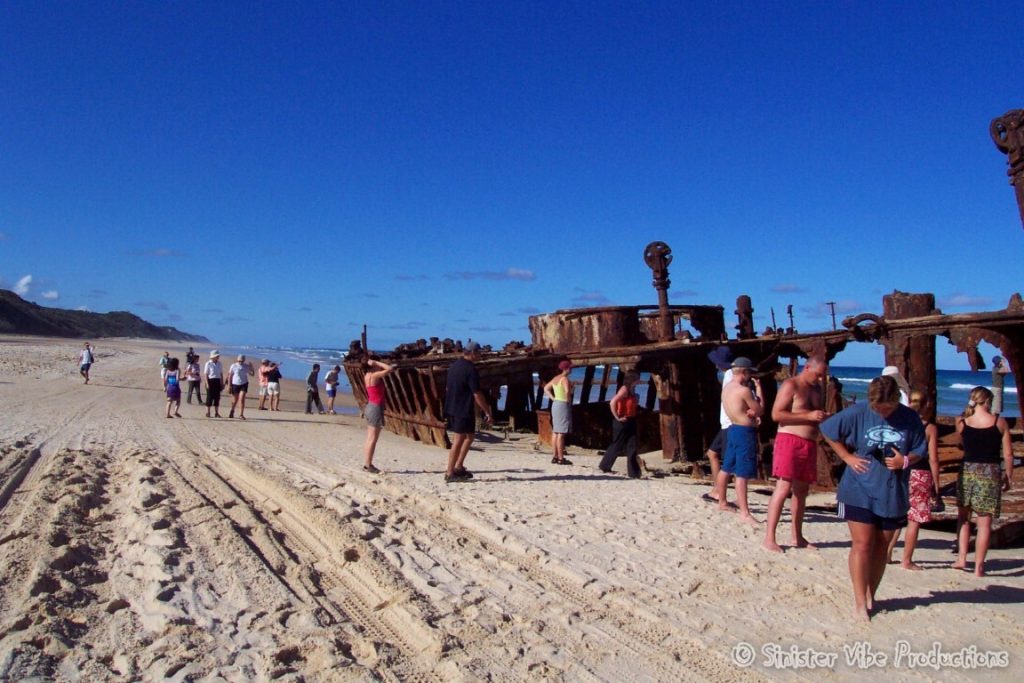
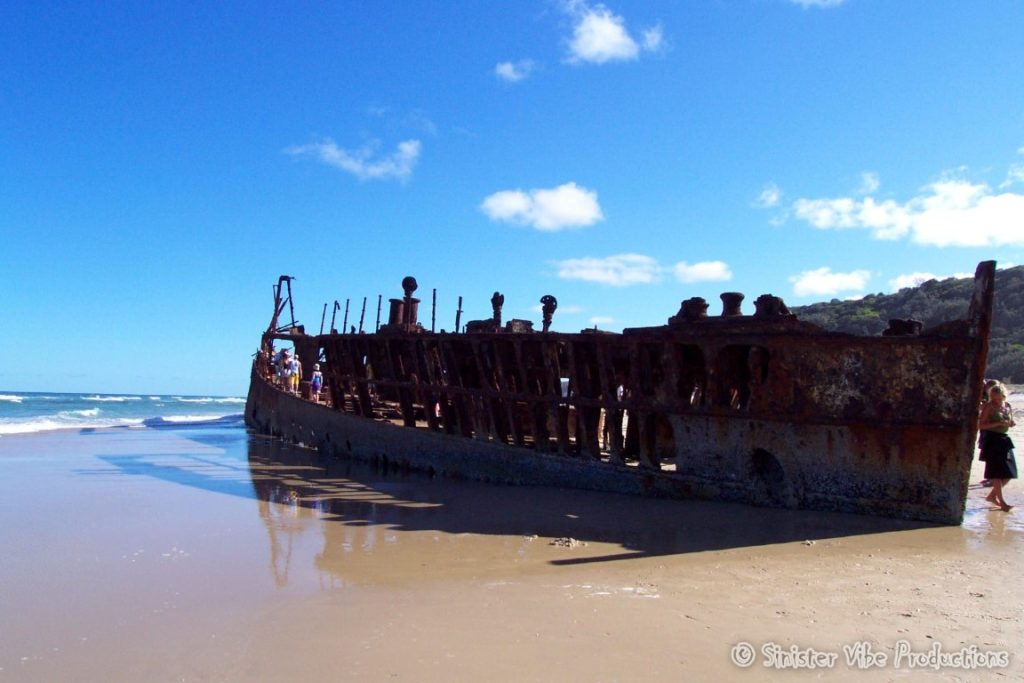
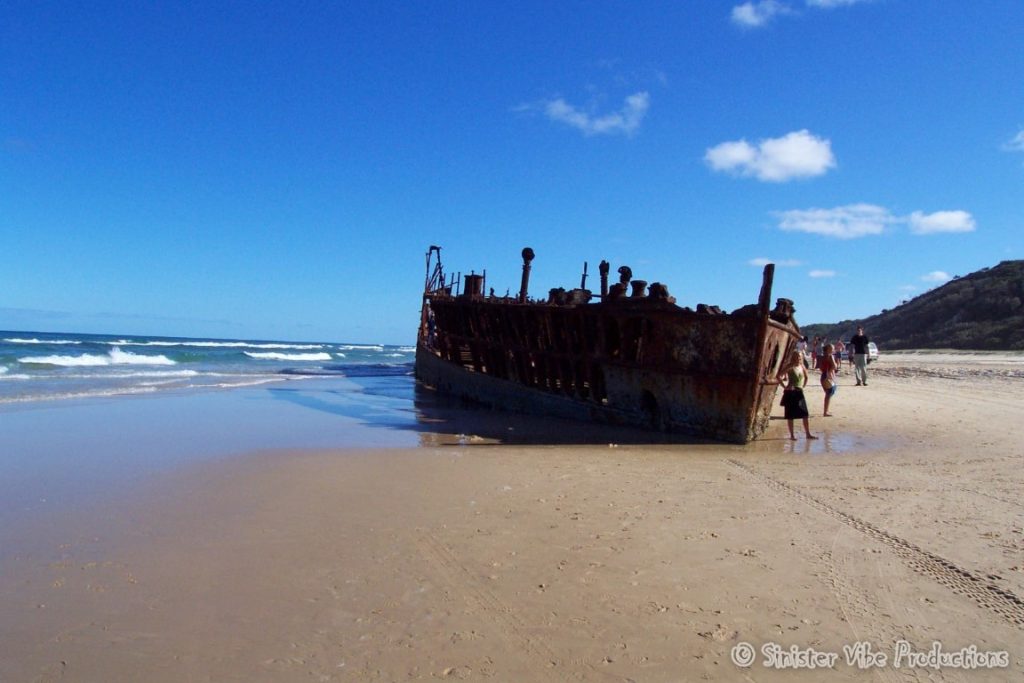
We continued along the beach to the wreck of the Maheno. The former passenger ship later served as a hospital ship during the First World War. In 1935, while being towed to Japan for scrap, it broke free during a cyclone and washed ashore on Fraser Island, where its rusting remains still sit on the beach. During the Second World War, the wreck was even used for military training exercises.
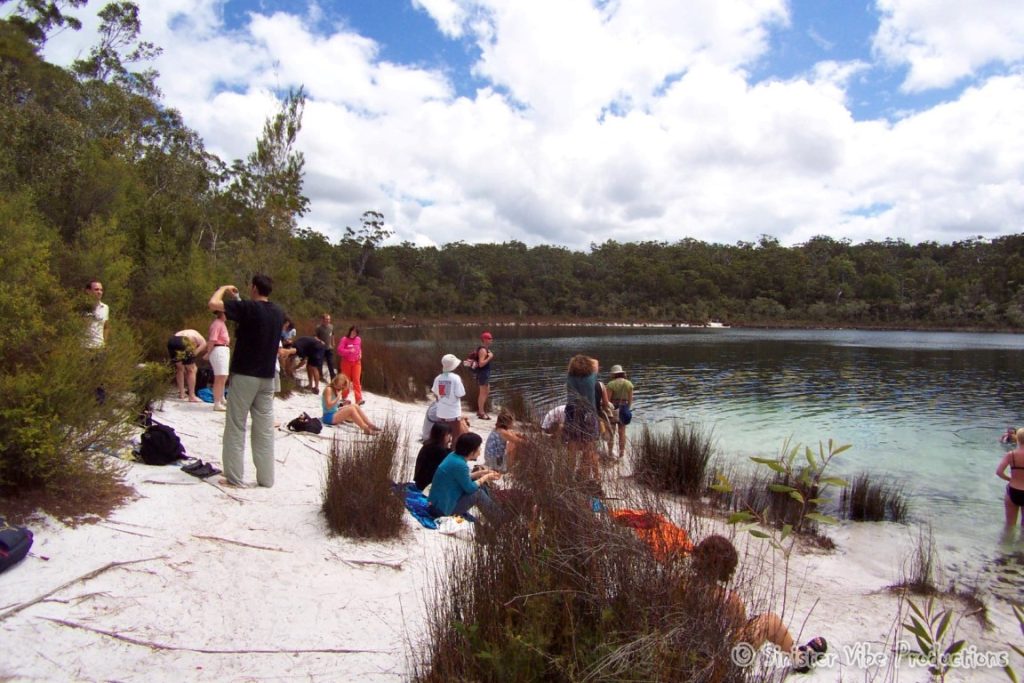
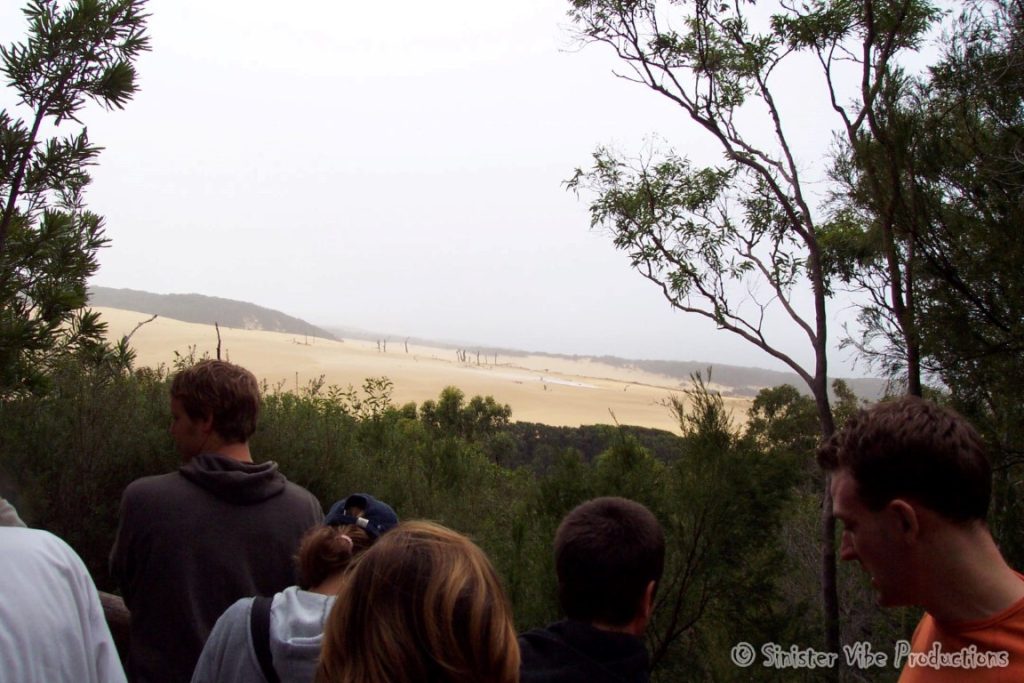
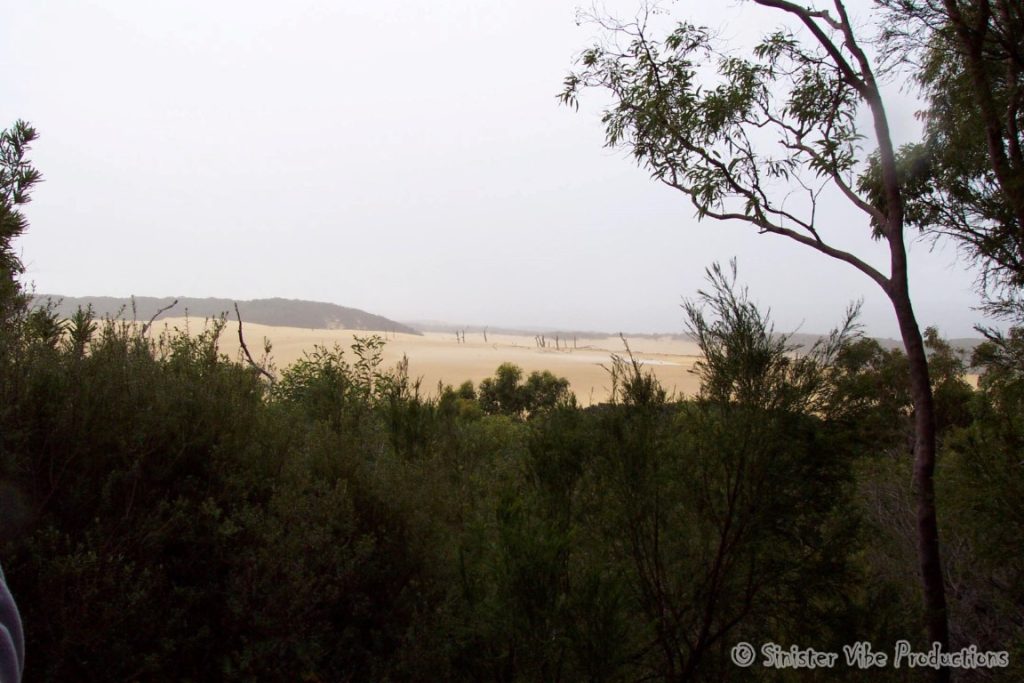
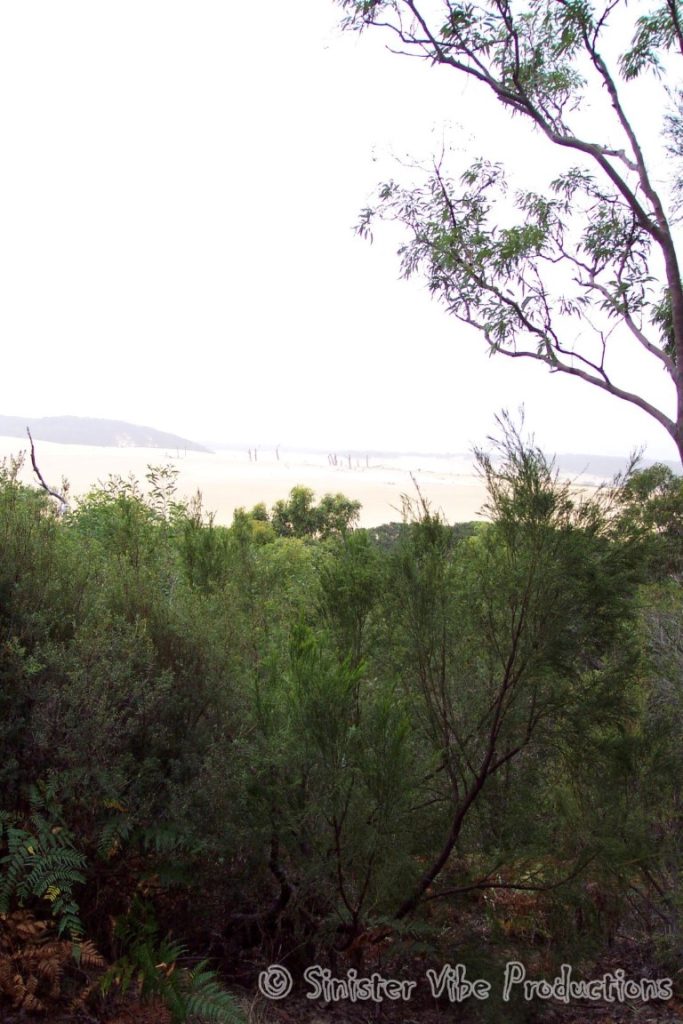
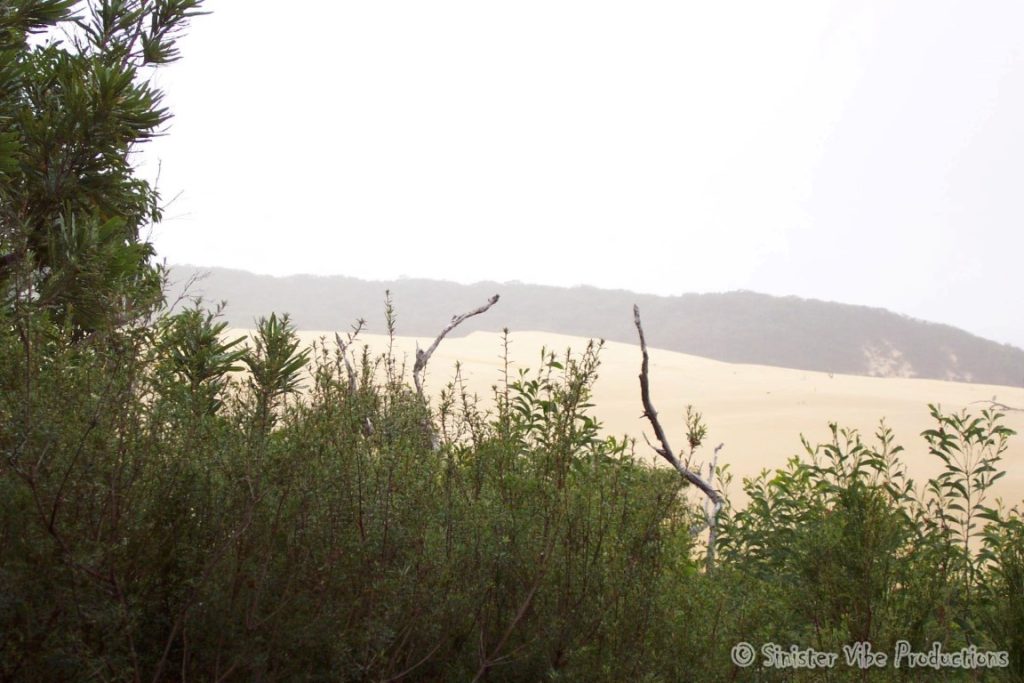
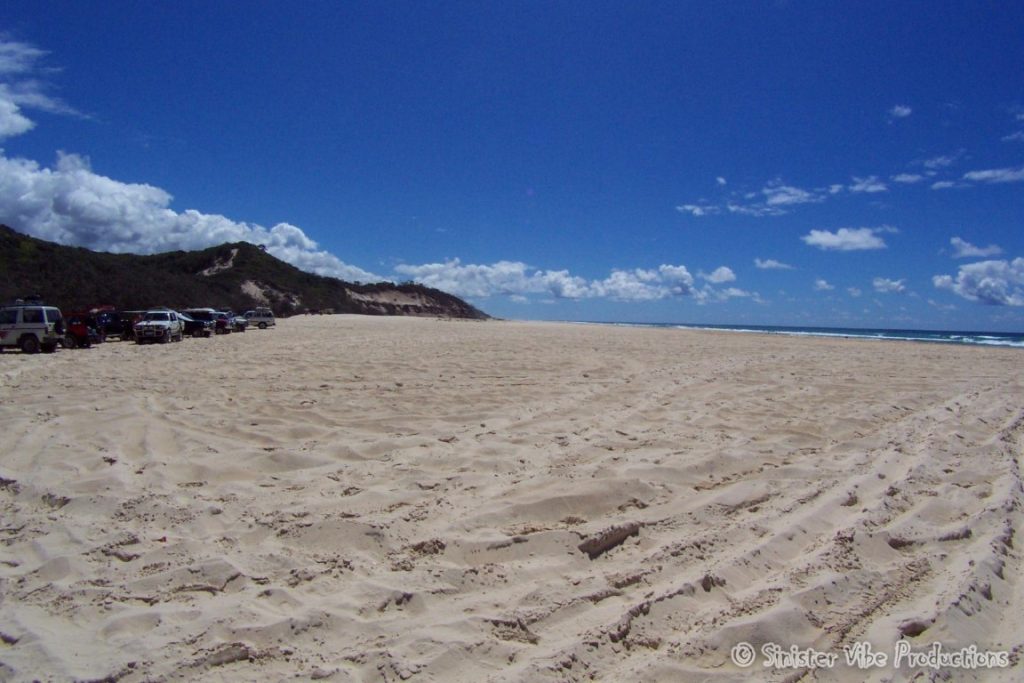
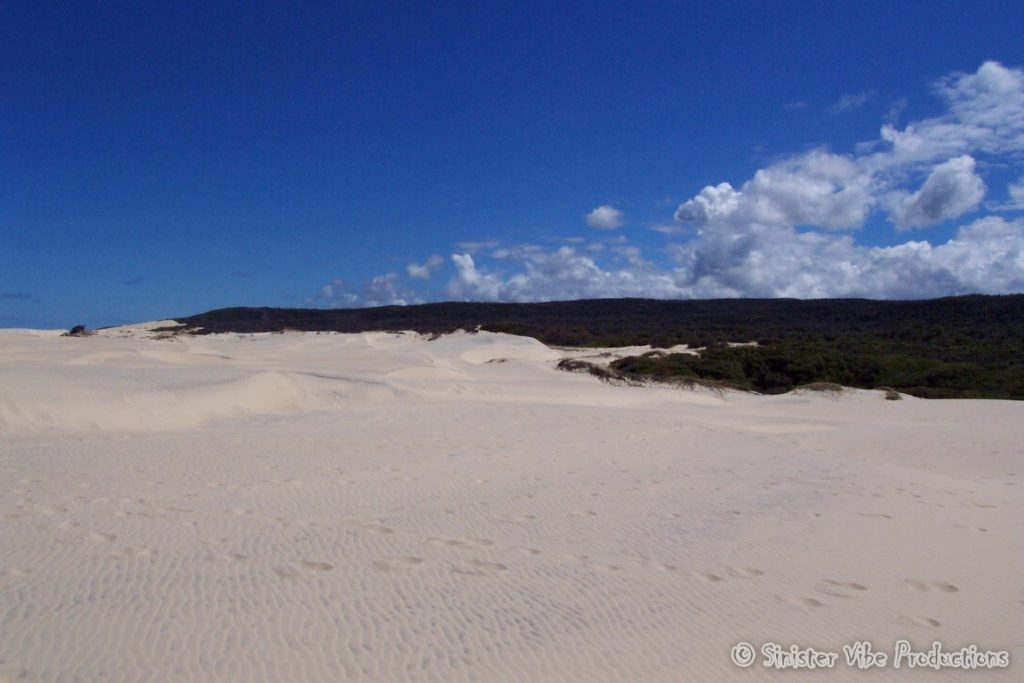
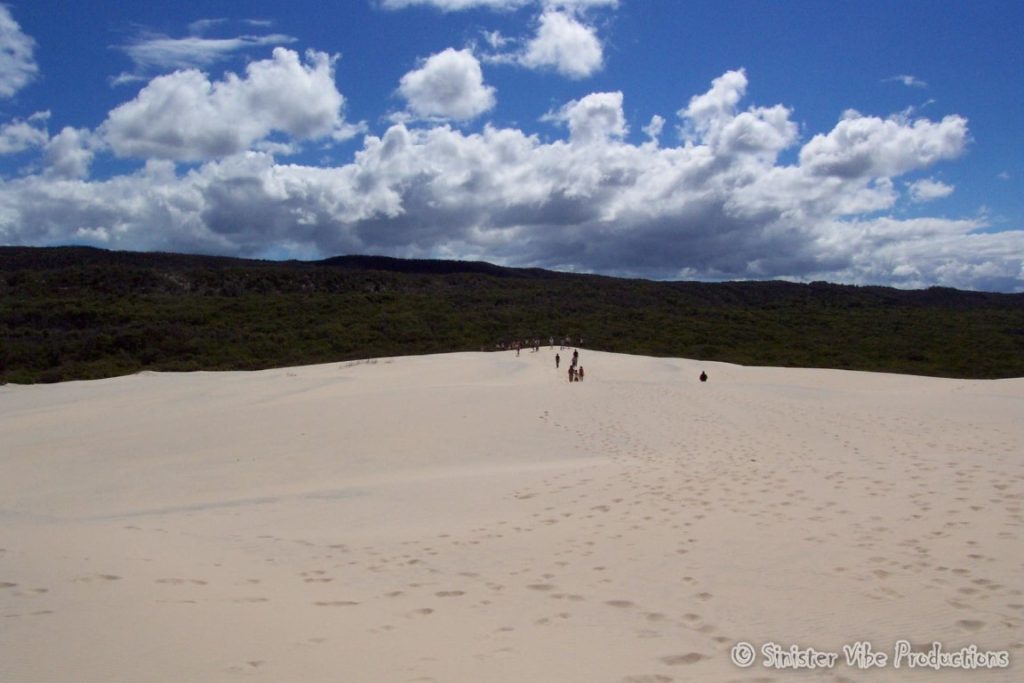
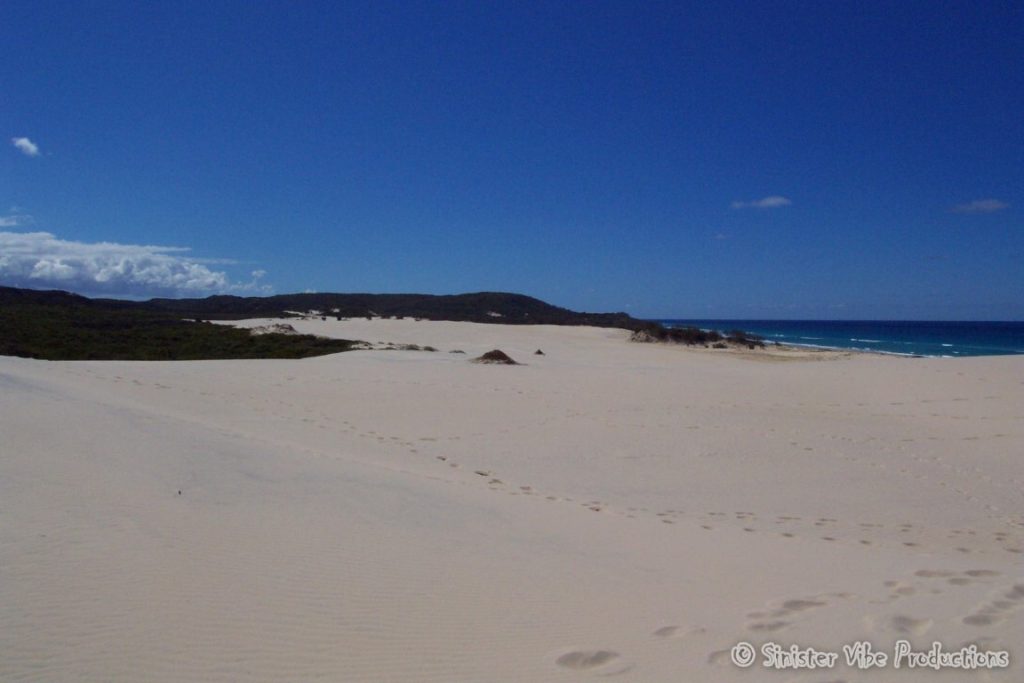
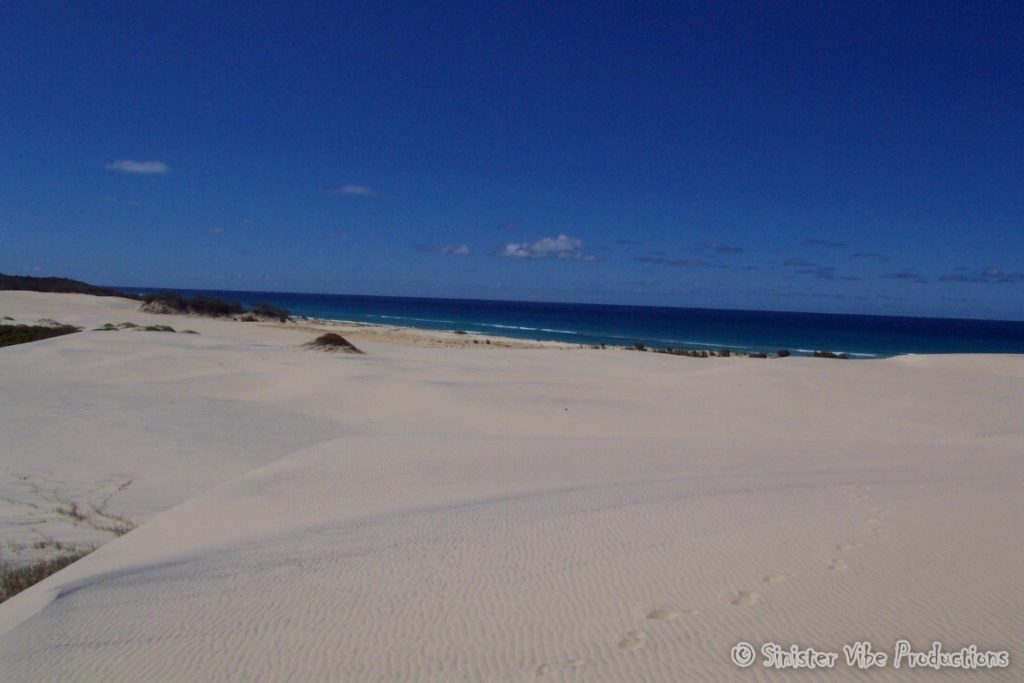
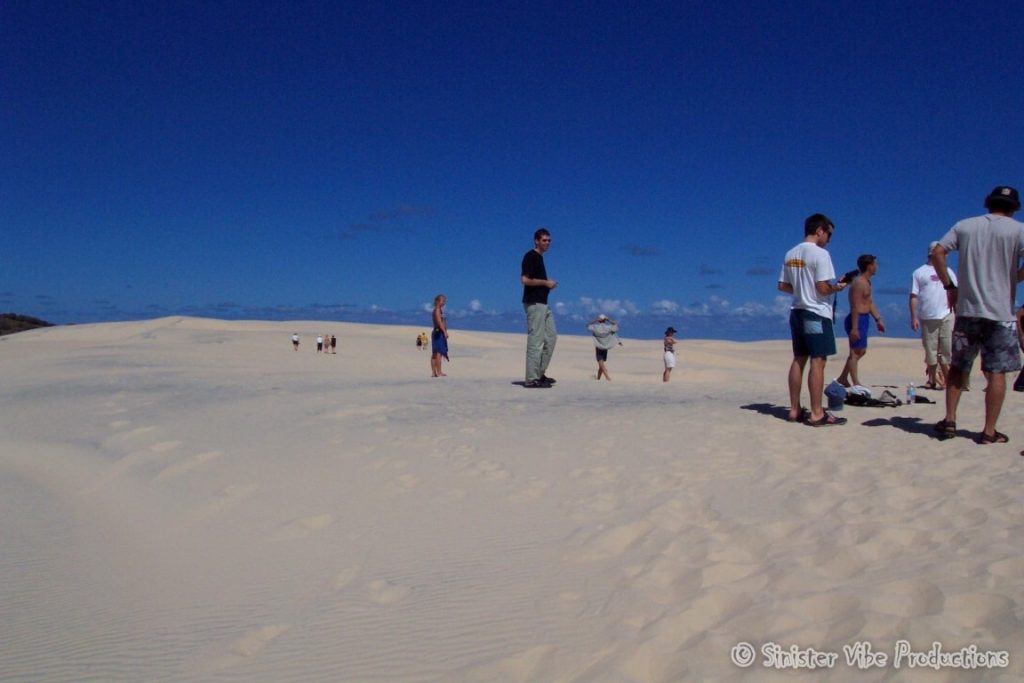
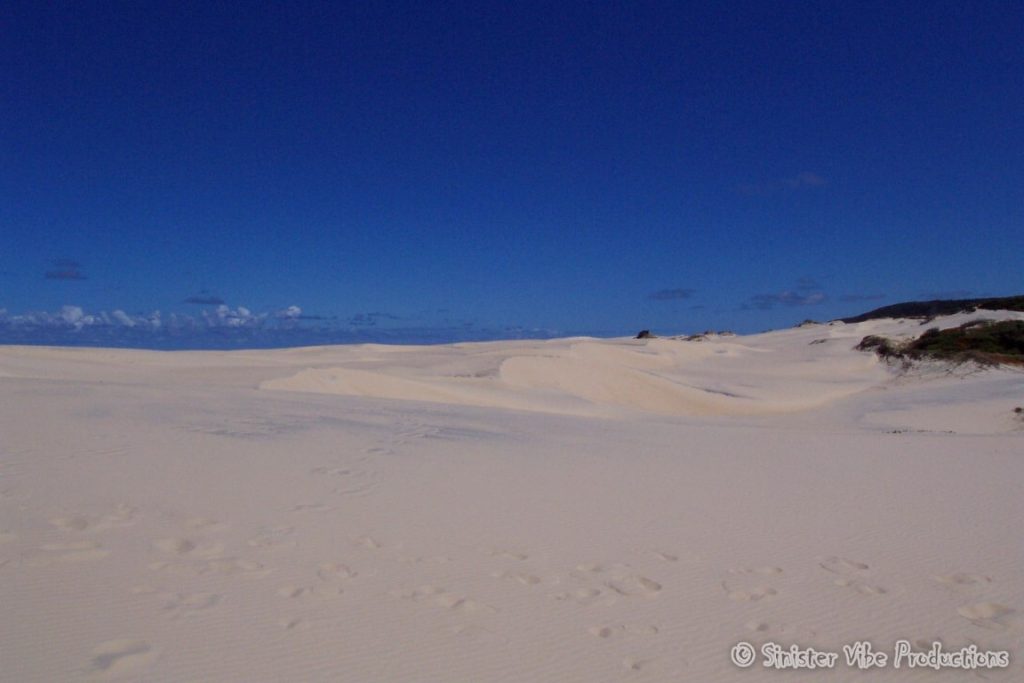
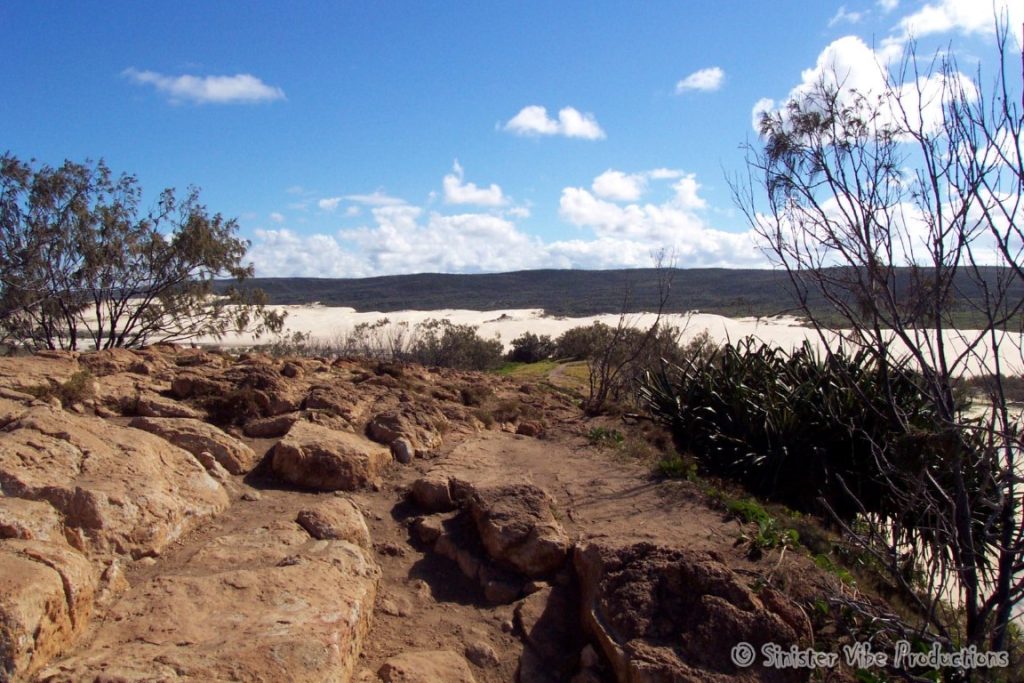
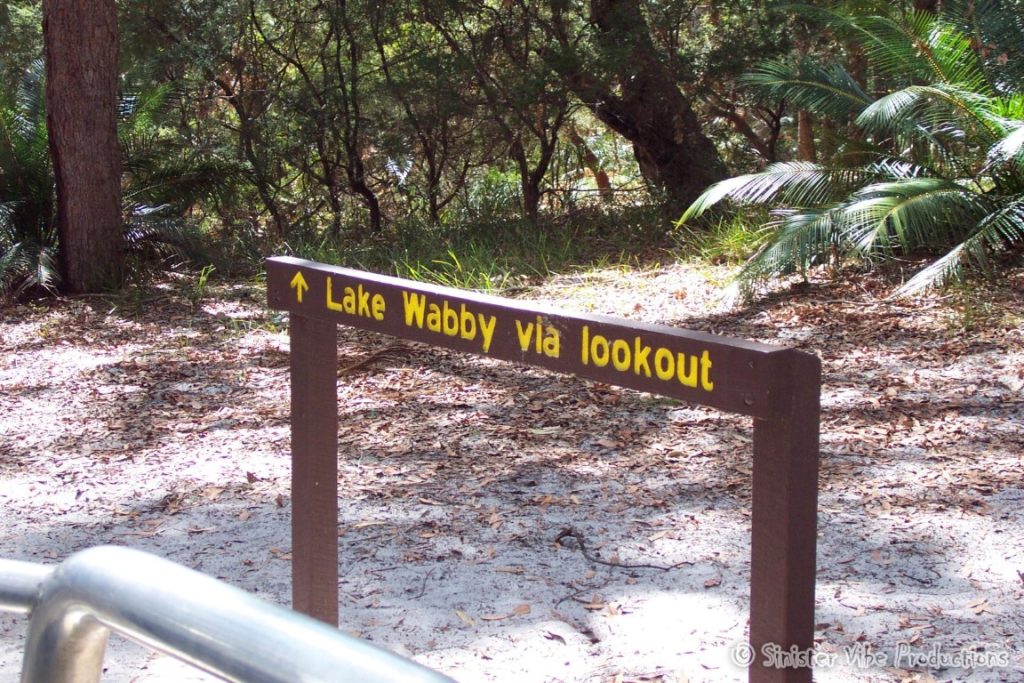
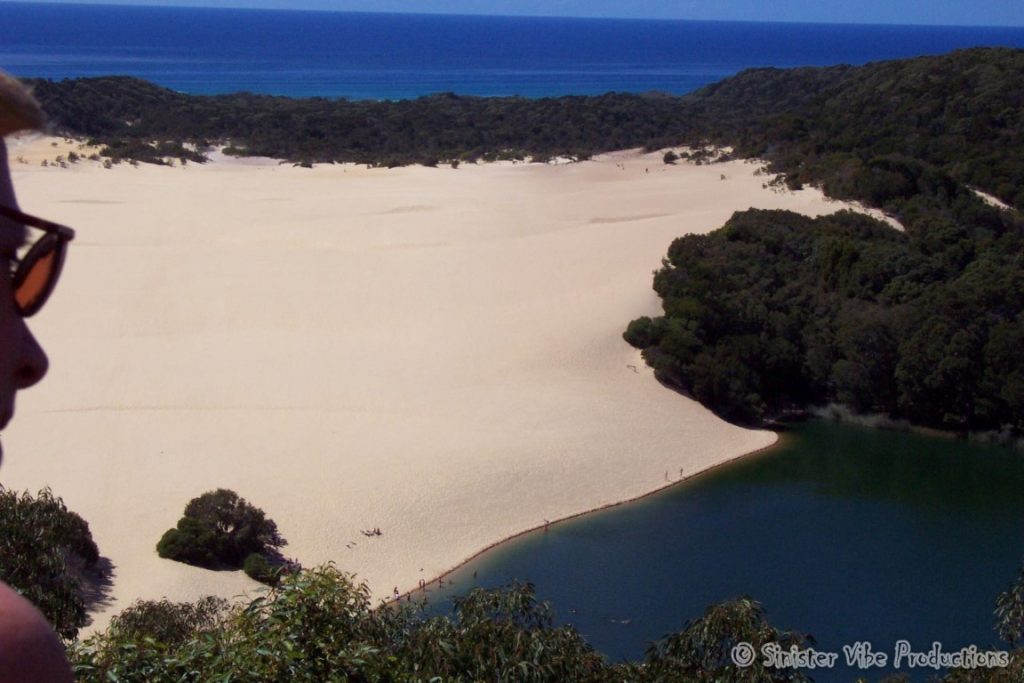
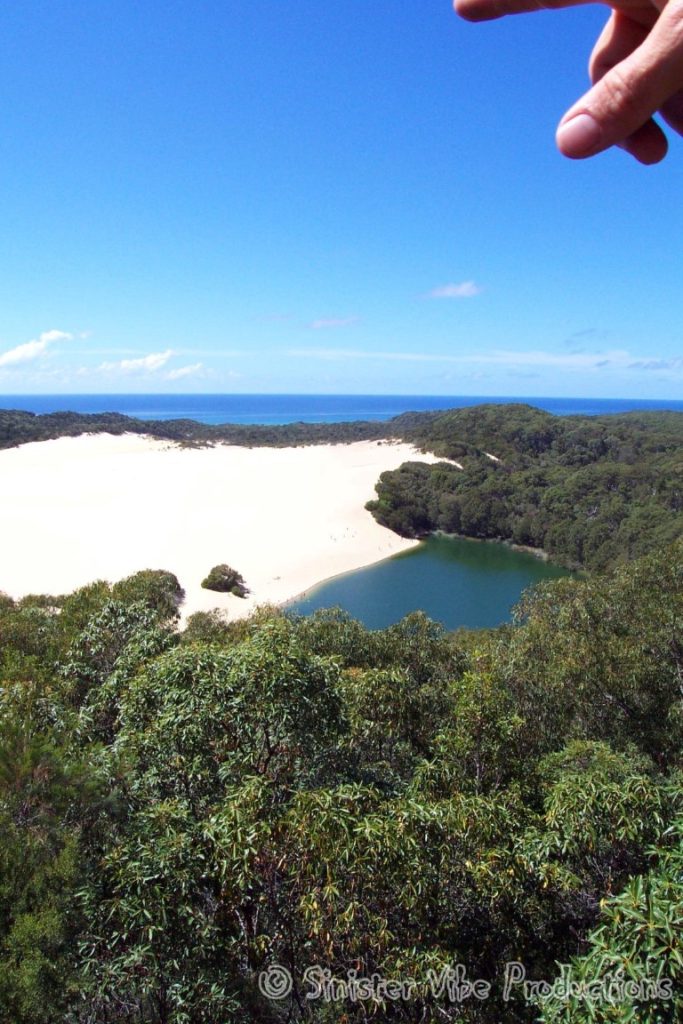
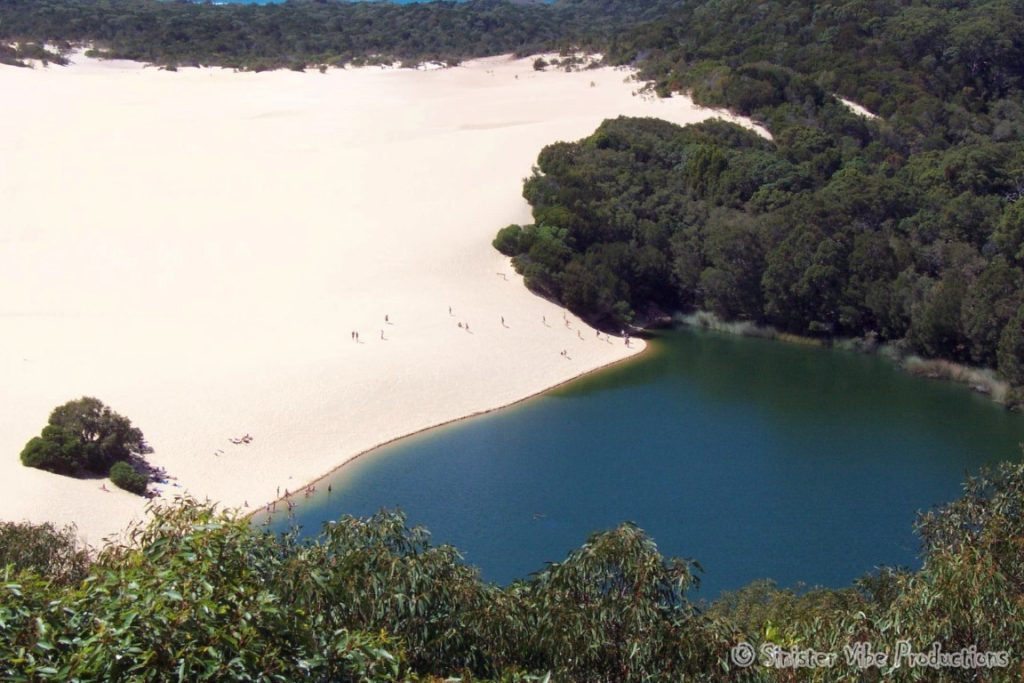
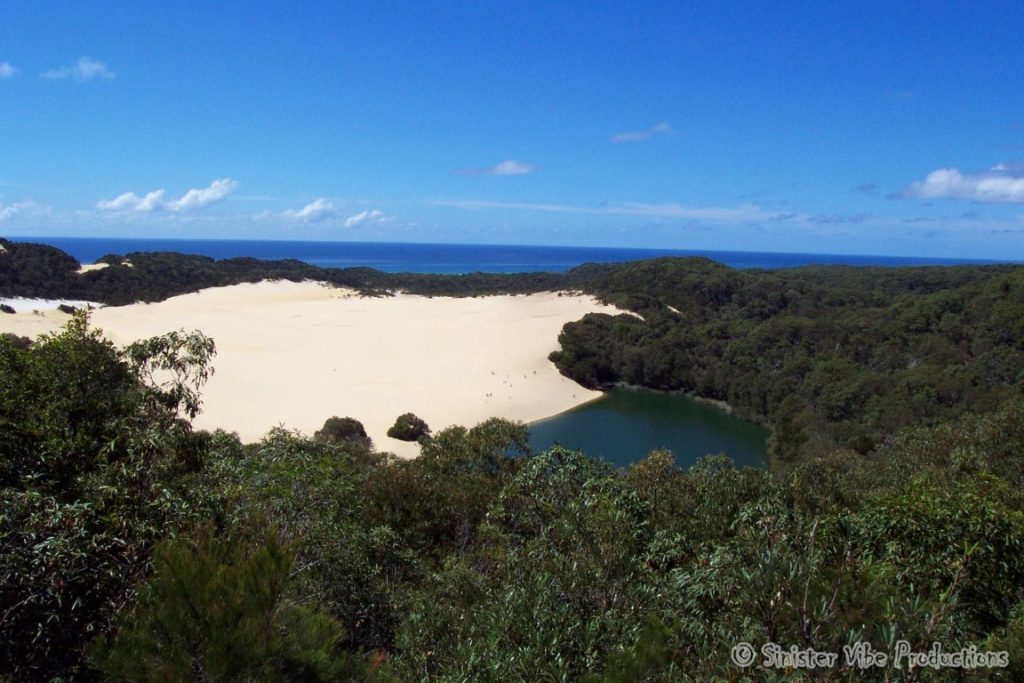
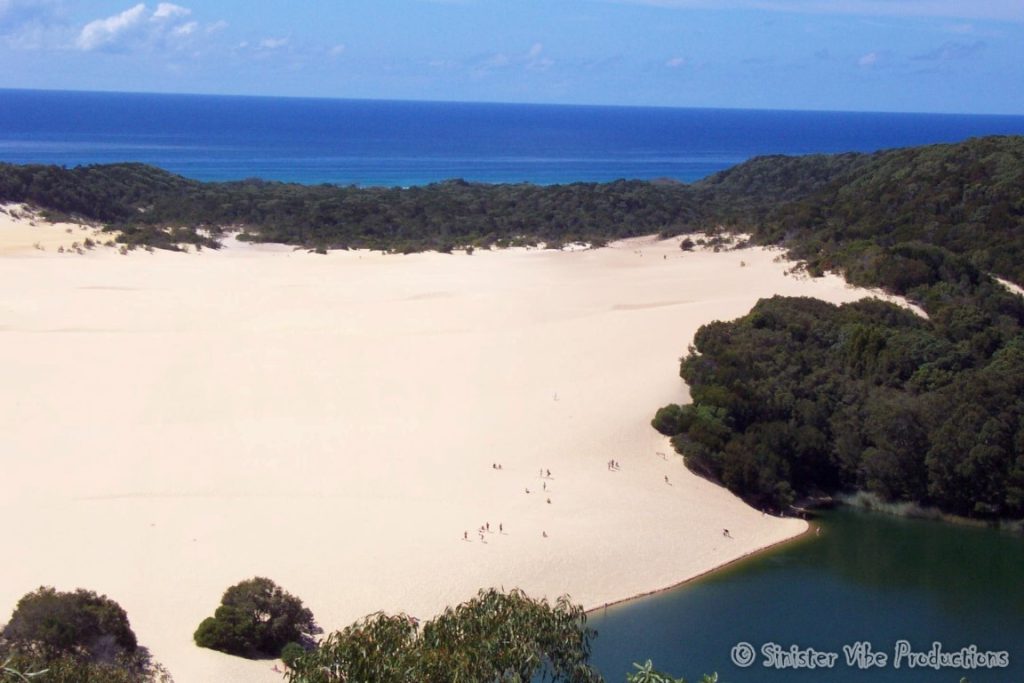
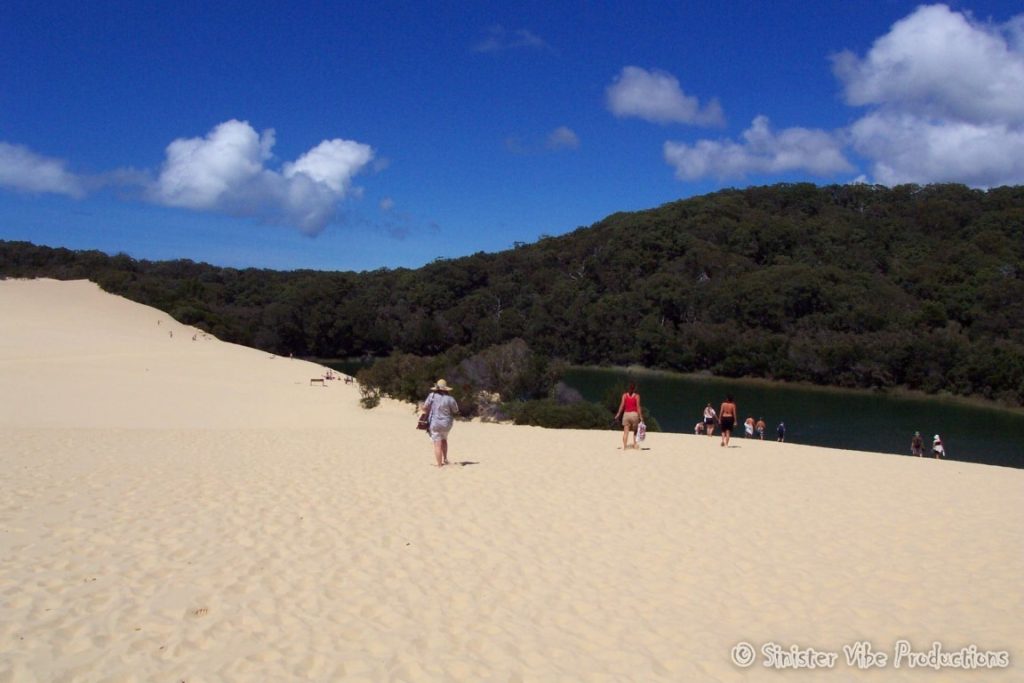
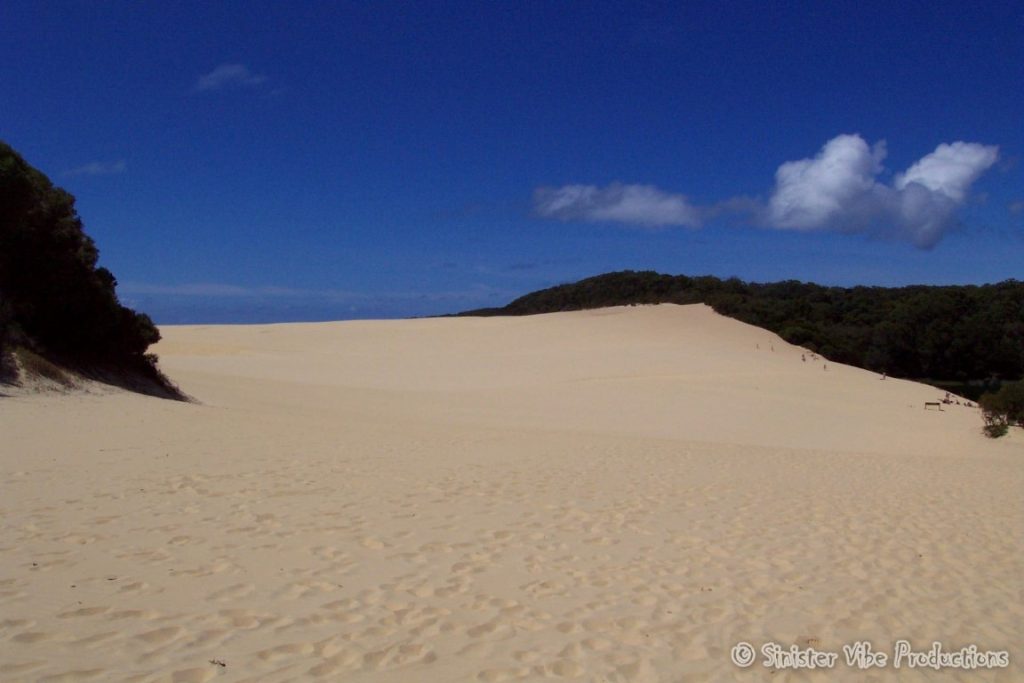
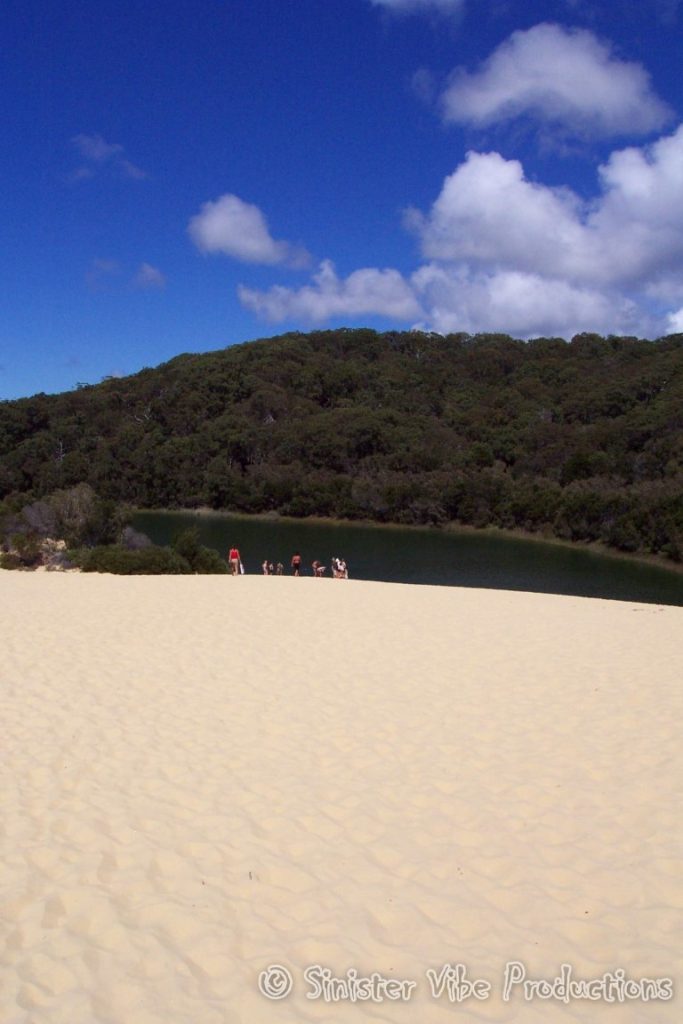
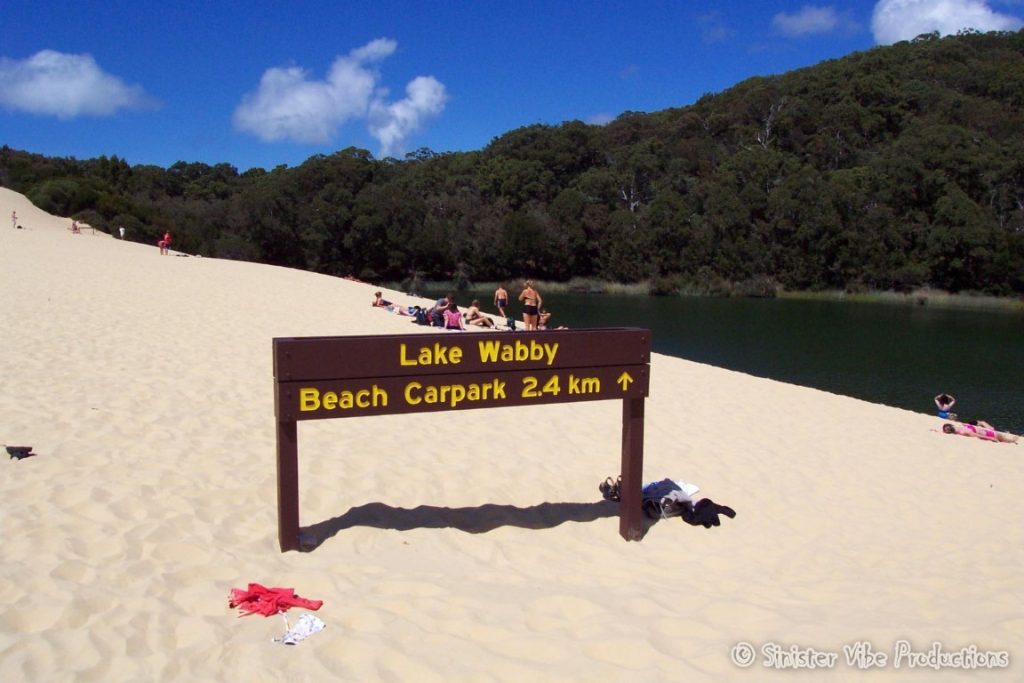
One of our final stops was Lake Wabby. The freshwater lake sits beside the enormous Hammerstone Sandblow, which is slowly moving toward it and will eventually engulf the lake. Getting there meant walking across a huge expanse of sand. For a while it felt like a miniature hike across the Sahara, except I knew there was beautiful freshwater waiting for me on the other side.
And then, far too quickly, my Fraser Island adventure was over. I was genuinely sad to leave. I’d arrived after weeks on the road feeling increasingly homesick and left with a huge smile on my face, knowing I’d just experienced one of the most amazing places I’d ever seen. Hell, I’m still smiling thinking about it.