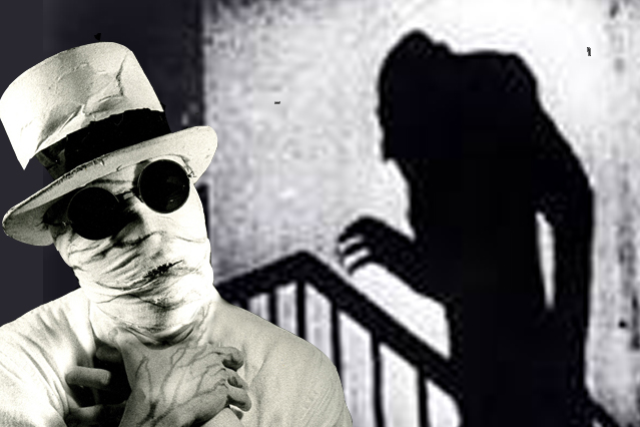
Nash the Slash composed original scores for Nosferatu, The Cabinet of Dr. Caligari, and several other silent film classics, performing them live during screenings. A legendary Canadian multi-instrumentalist, he was renowned for his mastery of the electric violin and mandolin, as well as for being the first Canadian artist to feature a drum machine on an album. His distinctive music fused progressive rock, art rock, new wave, and theatrical performance.
His stage persona was inspired by a murderous butler from the 1927 silent comedy Do Detectives Think?, starring Laurel and Hardy. Launching his solo career in 1975, he went on to co-found the progressive rock band FM in 1976. Instantly recognizable by the surgical bandages that concealed his face, Nash the Slash became one of Canada’s most original musical innovators. Following his passing in May 2014, his legacy was honored through the preservation of his instruments and costumes, with several pieces housed at Calgary’s National Music Centre and his custom skull-shaped mandolin displayed in the Canadian Music Hall of Fame.
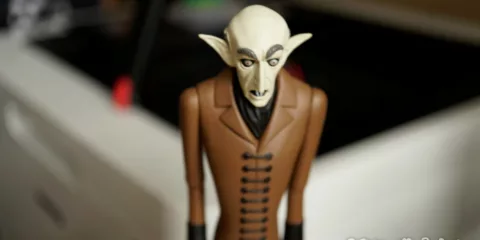
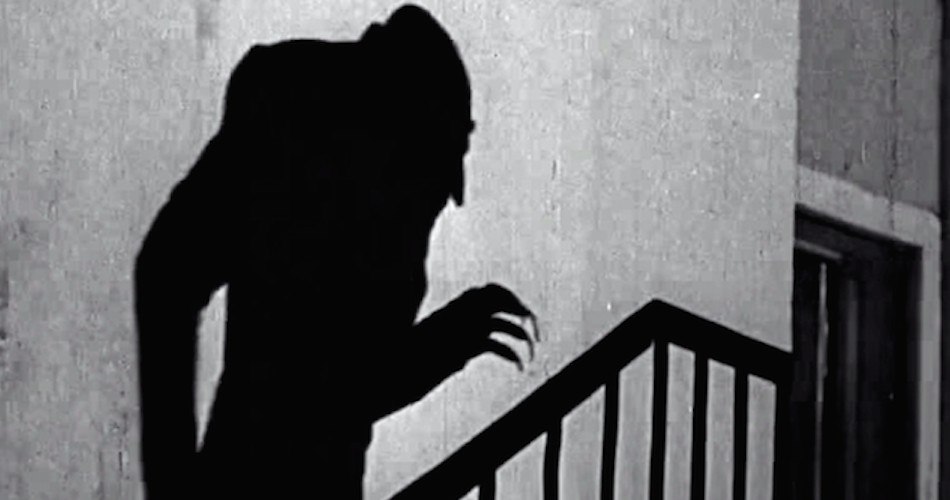
Nosferatu: A Symphony of Horror (1922) is the iconic silent vampire film that helped define the horror genre. Directed by F. W. Murnau and inspired by Bram Stoker’s Dracula, it follows the sinister Count Orlok as he brings plague and terror to a coastal town. Its haunting imagery, dramatic use of light and shadow, and Max Schreck’s unforgettable portrayal of Orlok have made it one of the most influential horror films ever created and a masterpiece of German Expressionism.
The Cabinet of Dr. Caligari (1920), directed by Robert Wiene and written by Hans Janowitz and Carl Mayer, is widely regarded as the defining work of German Expressionist cinema. The story follows the deranged Dr. Caligari, who manipulates a sleepwalker named Cesare into carrying out a series of murders. Celebrated for its surreal, distorted sets, jagged architecture, painted shadows, and dreamlike visual style, the film remains one of the most groundbreaking and enduring works in the history of horror.