One of my childhood’s fondest memories is watching the Twilight Zone with my mother (thanks Mom!). It sparked a creative imagination in things macabre that I carry with me to this day. There was team of great writers working with Rod Serling. Richard Matheson and of course Charles Beaumont. Together with a few other genre authors, they formed an informal group known as the Southern California Sorcerers, specializing in science fiction, fantasy, and horror. Through both their television work and their own fiction, these writers reshaped American genre storytelling—making it more personal, grounded, and innovative while also expanding its familiar themes.
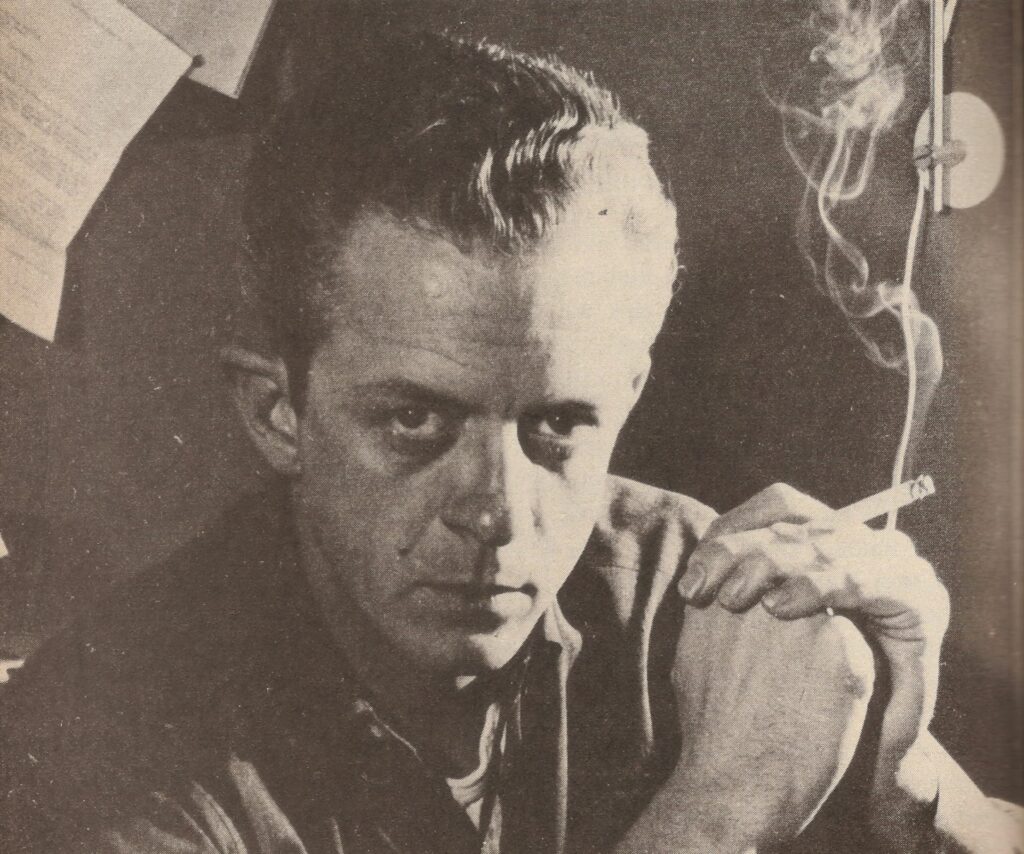
Among them, Charles Beaumont stands out as both the most tragic and perhaps the most compelling figure. In his thirties, he developed a severe brain disorder—possibly early-onset Alzheimer’s or Pick’s disease—that gradually destroyed his health. He died in 1967 at just 38 years old. In the preface to The Howling Man (1988), editor Roger Anker includes a moving reflection from Beaumont’s son, Christopher, who recalls hearing the sound of his father’s typewriter late at night—a comforting memory that lingers even after his death.
Despite his short life, Beaumont was extraordinarily productive. He wrote around two dozen The Twilight Zone episodes, numerous short stories, and screenplays for Roger Corman’s adaptations of Edgar Allan Poe, including the standout The Masque of the Red Death (1964). He also collaborated with Corman on The Intruder (1962), based on his own novel, starring William Shatner as a manipulative outsider who inflames a town’s hidden prejudices.
Beaumont’s imagination often anticipated ideas later explored by more widely recognized literary figures. His 1955 story “The Crooked Man,” which envisions a world where heterosexuality is stigmatized, predates a similar concept in work by Martin Amis by decades. Likewise, his story “The Hunger” foreshadows themes later developed by Muriel Spark in The Driver’s Seat (1970). Beaumont’s writing uniquely blends horror and emotional depth, capturing a profound sense of loneliness. While Spark offers more explicit endings, Beaumont’s restraint often makes his conclusions even more emotionally devastating.
Although it’s possible later writers encountered Beaumont’s work, it’s unlikely; their similarities seem more coincidental than influenced. These comparisons highlight the breadth and sophistication of Beaumont’s writing. Stories like “Fritzchen” (1953) and “The Indian Piper” showcase his range. “Fritzchen” tells of a greedy pet shop owner exploiting a bizarre creature for profit, delivering a darkly humorous, morally satisfying ending. “The Indian Piper,” on the other hand, follows a disgraced businessman drawn away from suicide by eerie music that ultimately leads him toward violence and a grim form of redemption.
For Beaumont, horror was not just about fear—it was rooted in despair and hopelessness. Even his simpler stories reflect this philosophy. In “The Life of the Party,” a man recounts his painful past of social rejection, framing it as a story with a happy ending. However, the underlying reality is deeply disturbing, and Beaumont deliberately leaves the horror unspoken, trusting the reader to recognize it. This subtlety makes the story even more unsettling.
Beaumont himself struggled with personal difficulties, including heavy drinking and severe migraines, as noted by Richard Matheson. Some speculated his illness was alcohol-related, but it was not. His story “The Pool” reflects his own anxieties: it follows a writer torn between meaningful work and commercial success, slipping into surreal visions while confronting dark impulses. Like “The Indian Piper,” it explores what happens when someone steps back from the edge of something terrible—but leaves open the question of what comes next.
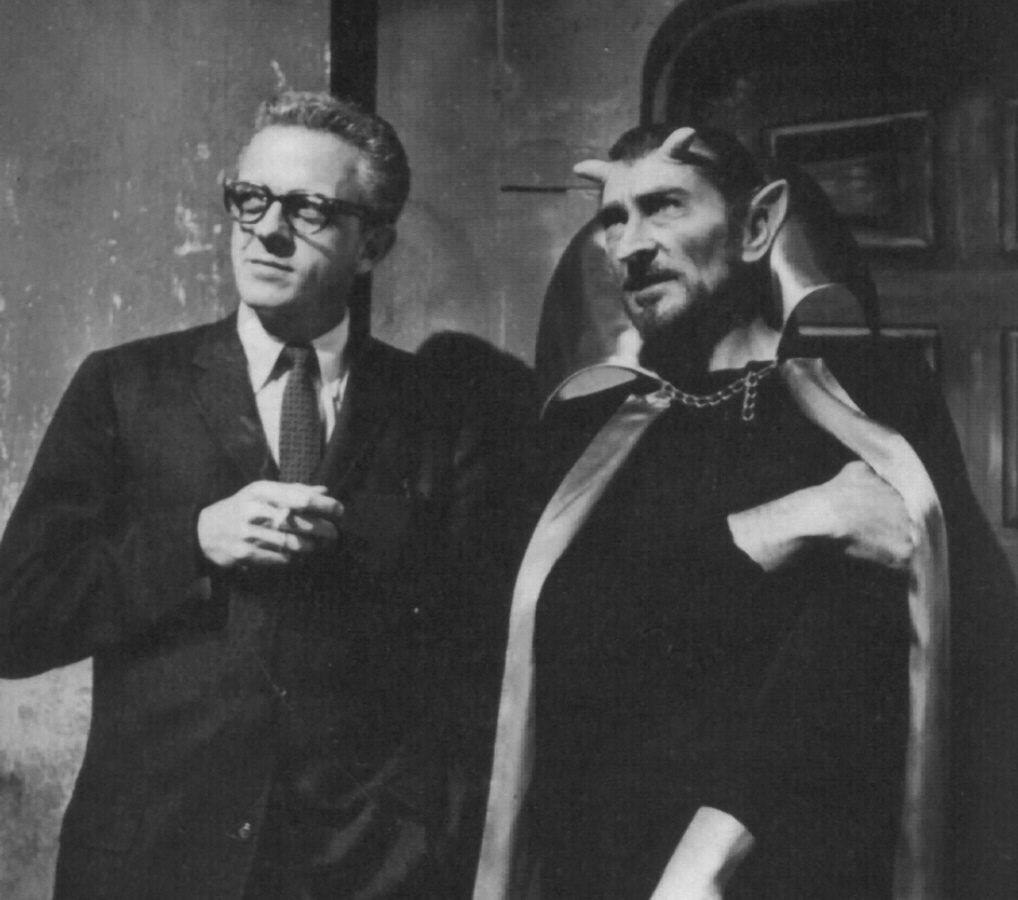
Although Beaumont’s life and work often dwell on darkness, his stories are not entirely without hope. Horror, by nature, confronts harsh realities, and Beaumont embraced that fully. His famous story “The Howling Man” (1960), later adapted for The Twilight Zone, tells of a traveler who unknowingly releases Satan from captivity, unleashing suffering upon the world. Yet the story ends with a note of cautious redemption: the devil is eventually recaptured. This is in my top five of greatest Twilight Zone episodes of all time. Thanks Charles!
Writer Harlan Ellison later praised Beaumont as a singular talent whose influence shaped countless others. Though often considered a cult figure, Beaumont’s work has endured, continuing to inspire writers who strive for the same level of craftsmanship and emotional power. Sadly a short by very impactful life. I’m still talking about Charles Beaumount.